


Are you one of the many people who doesn’t know their cholesterol levels? Understanding the role of cholesterol in our health and which types of cholesterol are ‘good’ or ‘bad’ can be confusing. The important thing to know is that you should maintain a healthy cholesterol level – with or without medication – if you want to protect your heart health and reduce your risk of heart disease and heart attack.
Cholesterol is a fatty substance in our blood that is produced naturally in our liver. It is essential for your body’s normal functioning – it is used by our cells to make some hormones and vitamin D. Cholesterol can also be found in the foods we eat. Over time, if your blood cholesterol levels are too elevated, it can pose a serious risk to your health.
There are two main types of cholesterol found in the body. In simple terms, some cholesterol is good (that’s the HDL cholesterol) and some is bad (that’s the LDL cholesterol).
HDL cholesterol (High-density lipoprotein) is ‘good’ cholesterol because it takes the cholesterol that you don’t need from your blood back to the liver to be broken down.
LDL cholesterol (Low-density lipoprotein) is called ‘bad’ cholesterol because it can clog up your arteries. The higher your levels of LDL cholesterol, the more likely it is that you can develop a buildup of fatty plaques on your arterial walls. This leads to the narrowing and thickening of your arteries, which can cause heart disease, heart attack and stroke.
Cholesterol is just part of the story. Our blood also contains other types of fat called lipids. One important lipid to measure is called triglycerides. Being overweight or obese and having an unhealthy diet high in saturated fats can contribute to high levels of triglycerides in the blood. High levels can clog up your arteries and increase your risk of heart attack.
Lipid disorders refer to a number of conditions that affect your balance of lipids. This could mean that you have a high level of LDL cholesterol or low levels of HDL cholesterol and raised triglycerides.
If untreated, high levels of LDL cholesterol remain the most common cause for:
- Premature heart attack
- Stroke
- Erectile dysfunction
- Peripheral vascular disease
- Amputation in people with diabetes
- Early vascular dementia
Lipid disorders are frequently missed, so it’s important to have a comprehensive cholesterol and lipid profiling to identify any underlying conditions and start early treatment. London Medical offers detailed lipid profiling to assess your personal risk of developing cardiovascular disease.
Our approach to heart health
We believe that cutting-edge cardiology care means working hand-in-hand with other related specialties to prevent, treat and manage heart disease. Your risk for heart attack and stroke can often be reduced by diagnosing and treating underlying and related conditions such as high blood pressure, high cholesterol, obesity and diabetes. At London Medical, we have the top experts working together for your care – all under one roof.
There aren’t any symptoms or warning signs of a problem with your cholesterol or lipids. That’s why it’s so important to get them measured before it’s too late.
Anyone can have high cholesterol, but your lifestyle, your family history and your health can all affect your chances of having raised levels.
Lifestyle choices that increase your risk include:
- A diet high in saturated fat (animal and dairy products) and low in monounsaturated fat (nuts, seeds, olive oil, fish)
- An inactive lifestyle
- Smoking
- Being overweight or obese
There are other causes of high cholesterol that you cannot control:
- Age
- Family history
- Familial Hypercholesterolaemia (FH) – a genetic condition that causes high cholesterol
- Diabetes
- Hypertension
- Ethnicity
- Liver or kidney disease
- Underactive thyroid gland
Traditional cholesterol tests can miss up to 50% of people with lipid levels that put them at higher risk for cardiovascular disease. London Medical offers detailed lipid profiling so that any disease can be identified at an early stage and treated effectively.
Our cutting-edge lipid profiling includes:
- Traditional cholesterol and lipid screening of total cholesterol, HDL, non-HDL, LDL and triglyceride levels
- LDL particle testing to accurately predict your risk for heart attack
- Advanced lipid marker and inflammatory marker testing including NMR particles, apolipoproteins, Lp-PLA2, oxidised LDL, lipoprotein (a) testing
- A carotid artery ultrasound to assess plaque buildup
We’ll also run tests to screen for any underlying conditions and conduct gene studies.
The test is just the first step. The expert physicians at London Medical can help you understand the results, explain your personal cardiac risk and work with you to make changes to prevent heart attack, stroke and premature death. Your customised treatment plan will likely include
recommendations for medications and lifestyle changes.
Medications
The only safe drugs that reduce the risk of heart attack and stroke are those that lower LDL cholesterol. You’ll likely be prescribed several medications in combination which could include:
- Statins and ezetimibe
- PCSK9 inhibitors – Repatha (evolocumab) or Praluent (alirocumab)
- Nilemdo (bempedoic acid)
- Leqvio (inclisiran)
Lifestyle changes
The best thing you can do for your heart health and your overall health is to adopt healthy lifestyle changes. This includes eating a well-balanced diet, losing weight and staying active. Research suggests that a Mediterranean diet may protect your heart and overall health. It is low in saturated fats and rich in fresh fruit and vegetables, wholegrain cereals, beans and pulses, nuts and some healthy fats (olive oil, oily fish and avocado). If you have diabetes, you should also educate yourself on eating healthier carbs to help control your insulin levels.
The number one enemy of the arterial wall is smoking. Smoking causes a buildup of tar in your arteries which makes it easier for cholesterol to adhere to the arterial wall. If you are a smoker, the most important thing you can do for your health is to quit smoking to reduce your risk of high cholesterol and future heart problems.
As part of the London Medical family, our cardiology clinic has access to various specialties – all under one roof. So whether you need a personalised weight management programme, expert nutritional advice or support with quitting smoking, we’re here to help look after your whole health.
Meet our experts in lipid disorders
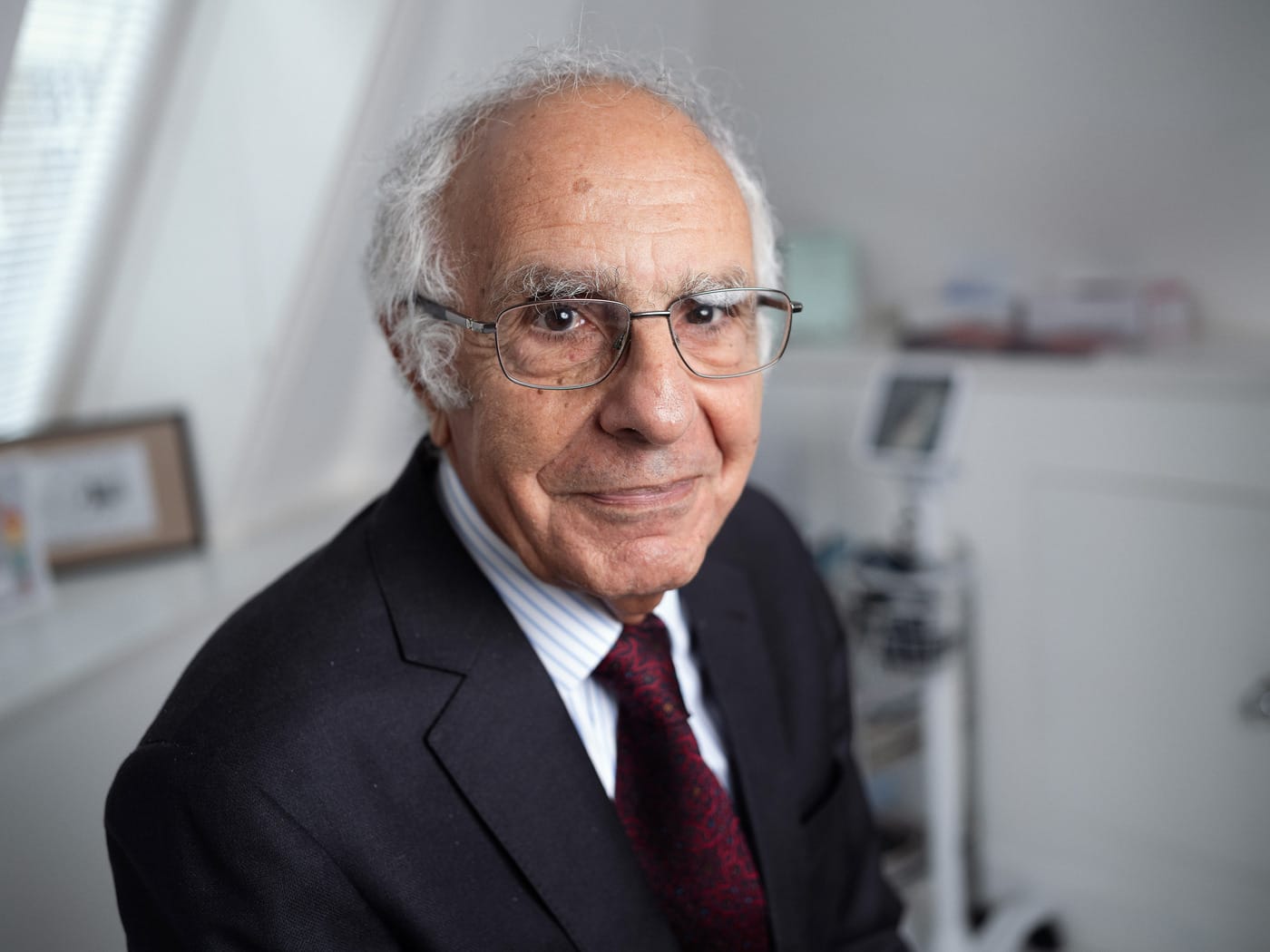
Dr Ralph Abraham
Dr Ralph Abraham, a founder of London Medical, specialises in diabetes, weight management, endocrinology and cholesterol.

Dr George Amin-Youssef
Consultant cardiologist who deals with adults and specialises in heart failure, including advanced heart failure, working in one of the largest heart failure units in the UK.

Professor Carlo Di Mario
Specialist in Interventional cardiology – the use of catheters and other devices to restore blood flow to the heart without major surgery.

Dr Shouvik Haldar
Consultant Cardiologist and Electrophysiologist at the Royal Brompton and Harefield Hospitals with a specialist interest in the management of patients with abnormal heart rhythms.

Dr Catherine Lunken
Specialist in seeing patients with all types of diabetes using up to date technology. Dr Lunken also sees patients with inherited lipid disorders and those with statin intolerances.

Professor Thomas F. Lüscher
Consultant in cardiology, interested in interventional cardiology, rhythmology, echocardiography, heart failure, acute cardiac care, and sports cardiology.

Professor Kausik Ray
Consultant preventative cardiologist, specialising in diabetes, lipids, glucose, hypertension and cardiometabolic traits.
Are you worried because someone in your family has suffered a premature heart attack? Are you aware of your cholesterol numbers? Whether you are concerned about managing your risk of heart attack or stroke or you just want to ensure you can enjoy your years of retirement, our comprehensive heart assessment plan can help you identify and manage your risk of developing heart disease. London Medical’s world-class cardiac consultants will assess your personal risk for future cardiac disease using the latest tests and techniques in our state-of-the-art imaging suite. The results are used to identify risk factors, evaluate your current heart health and advise you on a treatment plan should you need one.
Learn more about how to keep your heart healthy
Bupa unveils new world-class all-in-one centre in the heart of Canary Wharf

The benefits of continuous glucose monitoring
Our expert multi-disciplinary team provides insight to demystify cholesterol and its impact on your health.
Speak to a member of our team

Get in touch
If you have any questions or want to book an appointment, please speak to our team on +44 (0)800 0483 330.
Or, make an enquiry online using this form and one of our team will be in touch. Please note, all the information collected is required as part of our registration process. By using this form you agree with the storage and handling of your data by our team. You don't need a referral from your GP to make an appointment with us.
Contact us
Our team can also be contacted on +44 (0)800 0483 330.
Please note, all the information collected is required as part of our registration process. By using this form, you agree with the storage and handling of your data by our team.
Heart Health News
Find out the latest news, thinking and insights from our experts. Our Heart Health News is your go-to source of trusted advice and knowledge on all matters of the heart.

Chest pain and how it may be avoided

6 ways to prevent heart disease