

It’s perfectly normal to feel our heart racing or be aware when it sometimes skips a beat. Most of the time, this is nothing to worry about. But if your heart is frequently irregular, it can be a sign of a heart condition called cardiac arrhythmia. If you frequently have heart palpitations or feel light-headed or dizzy, you should see a cardiologist to make sure it’s not a sign of something more serious.
Your heartbeat is controlled by electrical impulses. It’s normal for us to experience changes in our heartbeat at different times of the day depending on our activities. But if you have an arrhythmia, it means that the electrical activity that controls your heartbeat is affected.
There are several types of cardiac arrhythmias, but the most common ones include:
- Atrial fibrillation – irregular contraction of the heart’s upper chambers
- Tachycardia – fast heart rate
- Bradycardia – slow heart rate
The most common type of arrhythmia is atrial fibrillation (AF). It can affect anyone, but it is more common in older adults and those with other health conditions, including high blood pressure, coronary artery disease, valvular heart disease or diabetes.
Arrhythmias can be completely harmless or potentially life-threatening. Cardiac arrhythmias can affect the heart’s ability to pump blood properly, and if left untreated, they can cause sudden cardiac arrest or stroke. Book an appointment online today to make sure your symptoms are properly investigated and any underlying condition is properly treated and managed.
Our approach to heart health
We believe that cutting-edge cardiology care means working hand-in-hand with other related specialties to prevent, treat and manage heart disease. Your risk for heart attack and stroke can often be reduced by diagnosing and treating underlying and related conditions such as high blood pressure, high cholesterol, obesity and diabetes. At London Medical, we have the top experts working together for your care – all under one roof.
The symptoms of cardiac arrhythmia can include:
- Palpitations – this can feel like a fluttering in the chest or your heart skipping a beat
- Racing heart
- Slow heartbeat
- Dizziness
- Fainting – the medical term for this is called syncope
- Breathlessness
- Chest pain
Several everyday factors can affect the rhythm of your heart including:
- Alcohol
- Nicotine
- Caffeine
- Stress
- Cold and cough medications
Other conditions that put you at higher risk for cardiac arrhythmia include:
- Congenital heart disease
- Coronary artery disease
- Cardiomyopathy
- Advanced age
- Obesity
- Hypertension
- Diabetes
- Thyroid problems
A variety of tests are used to diagnose cardiac arrhythmias. These could include:
- Electrocardiogram (ECG) – This simple, non-invasive test records your heart’s rate, rhythm and electrical activity.
- Holter monitor – Also called ambulatory ECG monitoring, this is a small, wearable device that is used to record your heart’s electrical activity over 24-48 hours.
- Implantable loop recorder (ILR) – This small device about the size of a USB memory stick is implanted under the skin on the chest to record your heart’s rhythm for up to three years.
- Echocardiograms – An ‘echo’ for short, this test uses ultrasound waves to create a moving image of your heart.
- Exercise stress test – This is an ECG test that is conducted while you exercise, such as walking on a treadmill or using a stationary bike.
- Blood pressure monitoring
- Blood screening for underlying conditions like diabetes or thyroid problems
Some arrhythmias may not require any special treatment other than careful monitoring. Or you might be prescribed one or more medications to help control your heart’s rhythm and to treat any underlying conditions such as coronary artery disease, high blood pressure or diabetes.
Special procedures
Additional treatment options for cardiac arrhythmia may include:
- Cardioversion – This is a medical procedure that restores the heart’s rhythm. It can be performed using one or more medications or by placing electrodes on the chest that deliver an electric shock to the heart.
- Pacemaker – A pacemaker is implanted just under the skin which sends electrical signals to the heart to keep it beating regularly and at the right speed.
- ICD implantation – This surgically placed device delivers an electric countershock to the heart when a life-threatening abnormal rhythm is detected.
- Catheter-based ablation – In this minimally invasive surgery, your specialist physician inserts a thin, flexible tube called a catheter into your vein to deliver a shock to damage the part of the heart tissue that is causing the abnormal rhythm.
After any procedure, you’ll need frequent follow-up as you’ll likely require tailored medications for heart rate management and anticoagulants (blood thinners) to prevent blood clots from forming.
Healthy lifestyle changes
As with any heart condition, adopting healthy lifestyle changes is always recommended. This means avoiding obvious culprits that affect your heart rhythm such as excessive drinking, tobacco, caffeine and recreational drugs.
As part of the London Medical family, our cardiology clinic has access to various specialties – all under one roof. So whether you need a personalised weight management programme, expert nutritional advice or support with quitting smoking, we’re here to help look after your whole health.
Meet our experts in cardiac arrhythmia

Dr George Amin-Youssef
Consultant cardiologist who deals with adults and specialises in heart failure, including advanced heart failure, working in one of the largest heart failure units in the UK.

Professor Carlo Di Mario
Specialist in Interventional cardiology – the use of catheters and other devices to restore blood flow to the heart without major surgery.
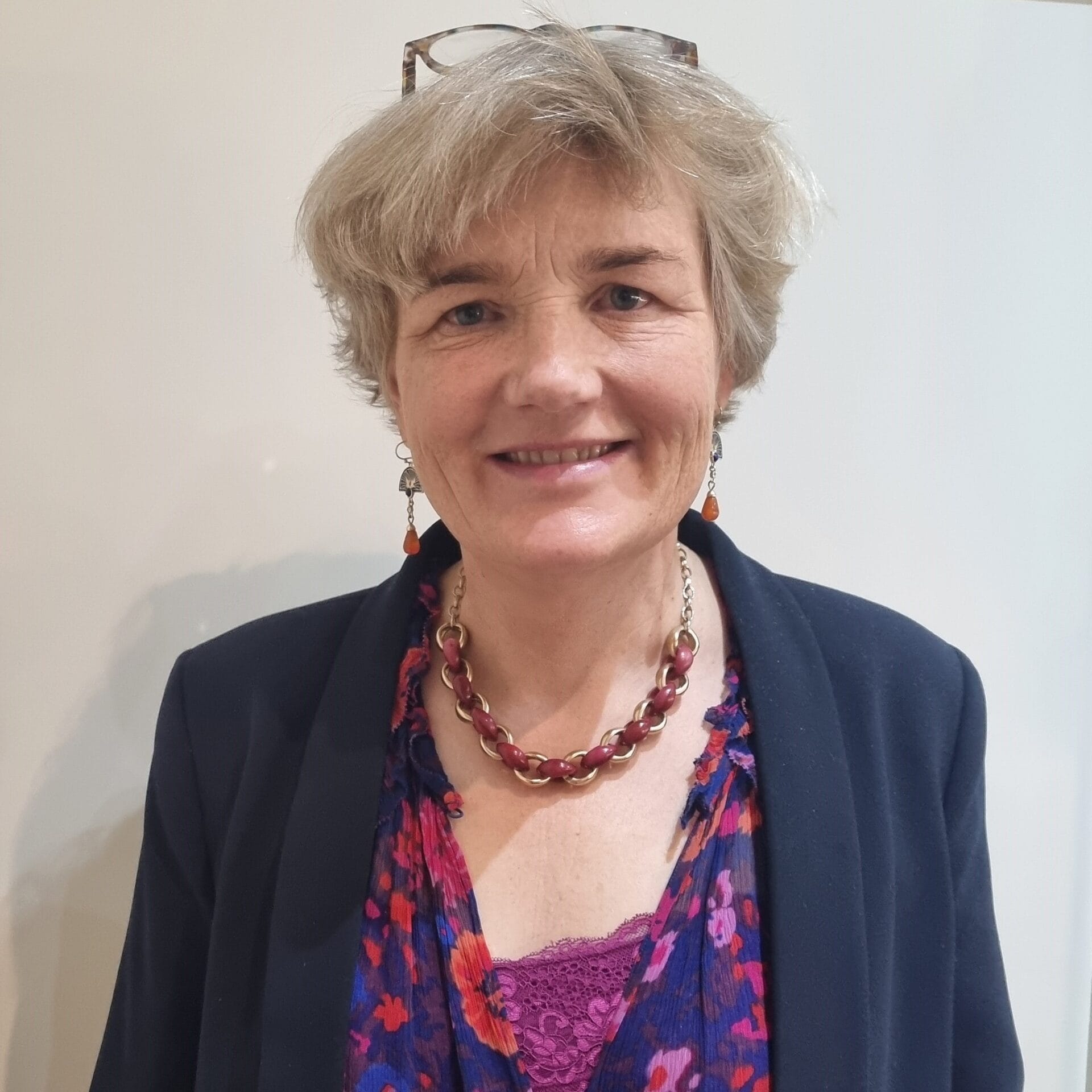
Dr Claire Chalmers-Watson
Dr Chalmers-Watson is an experienced General Practitioner with over two decades of experience in primary care and a profound expertise in managing a broad spectrum of health conditions.

Professor Piers Daubeney
Professor Piers Daubeney is a consultant paediatrician at London Medical, specialising in paediatric cardiology.

Dr Shouvik Haldar
Consultant Cardiologist and Electrophysiologist at the Royal Brompton and Harefield Hospitals with a specialist interest in the management of patients with abnormal heart rhythms.
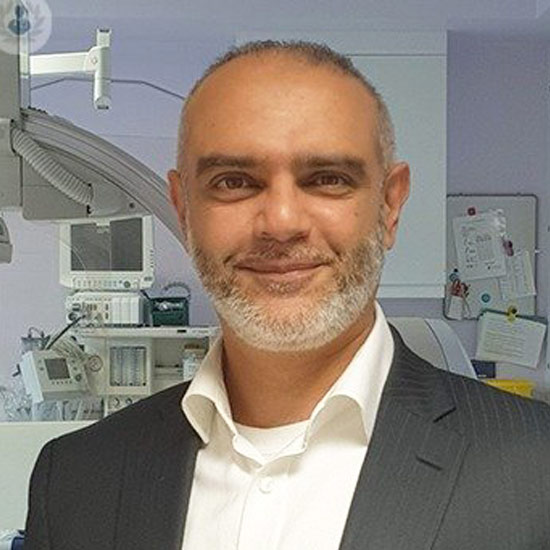
Dr Riyaz Kaba
Consultant cardiologist and electrophysiologist, specialising in arrhythmias, ablations, and pacemakers.
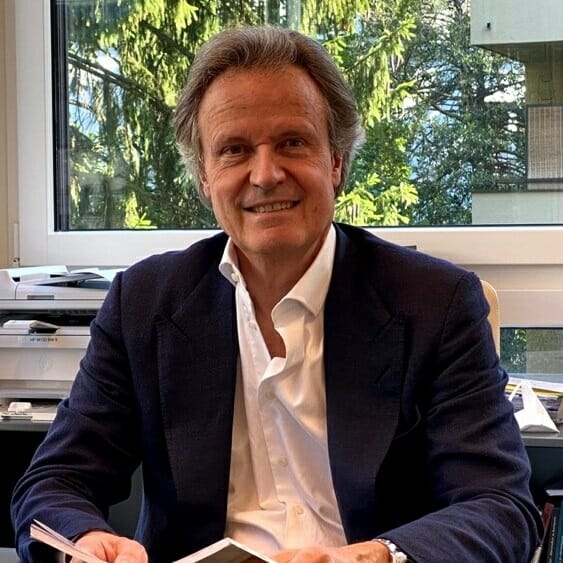
Professor Thomas F. Lüscher
Consultant in cardiology, interested in interventional cardiology, rhythmology, echocardiography, heart failure, acute cardiac care, and sports cardiology.
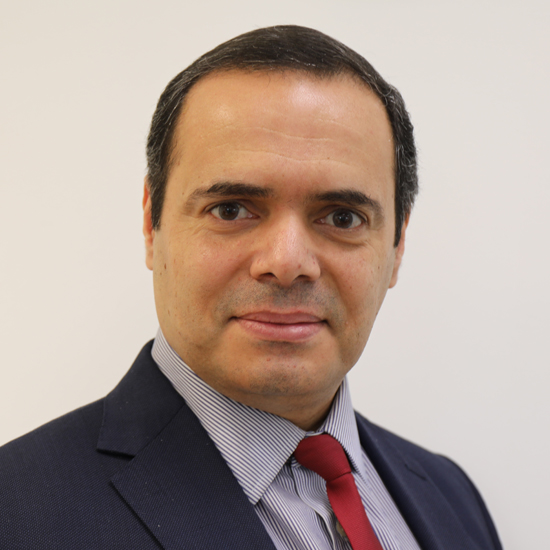
Dr Khaled Mallek
An esteemed consultant interventional and general cardiologist, specialising in complex coronary interventions and chronic total occlusions.

Dr Nikolaos Papageorgiou
Dr Nikolaos Papageorgiou is a consultant cardiologist at London Medical, specialising in heart failure and electrophysiology.

Professor Kausik Ray
Consultant preventative cardiologist, specialising in diabetes, lipids, glucose, hypertension and cardiometabolic traits.
Are you worried because someone in your family has suffered a premature heart attack? Are you aware of your cholesterol numbers? Whether you are concerned about managing your risk of heart attack or stroke or you just want to ensure you can enjoy your years of retirement, our comprehensive heart assessment plan can help you identify and manage your risk of developing heart disease. London Medical’s world-class cardiac consultants will assess your personal risk for future cardiac disease using the latest tests and techniques in our state-of-the-art imaging suite. The results are used to identify risk factors, evaluate your current heart health and advise you on a treatment plan should you need one.
Learn more about how to keep your heart healthy
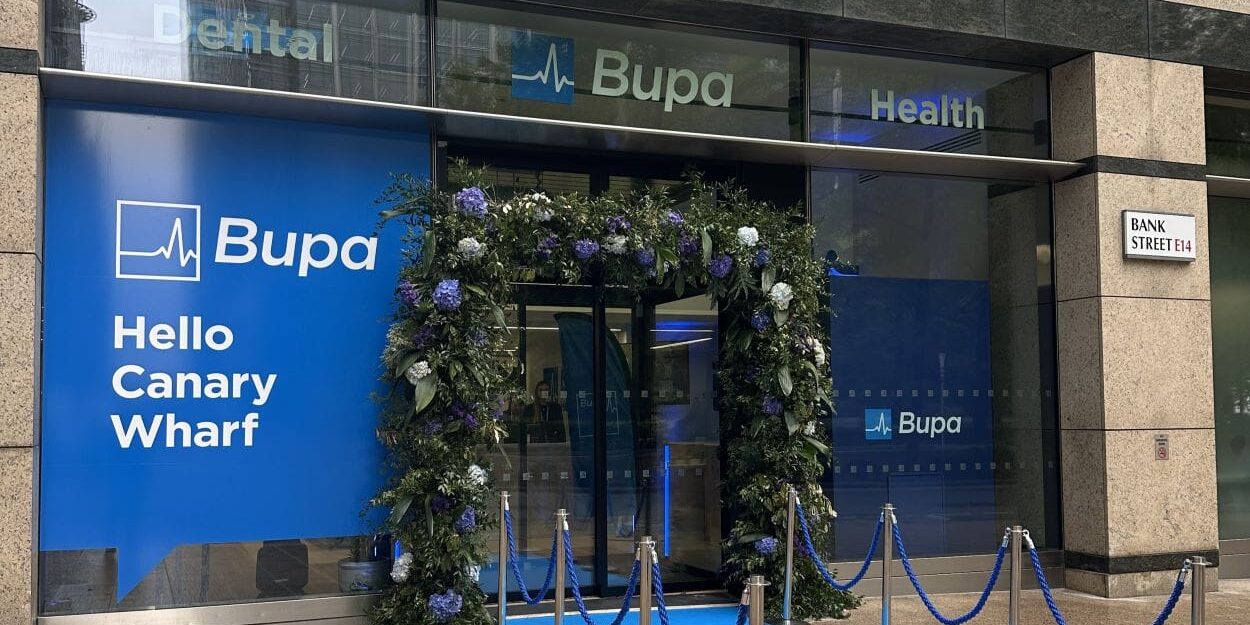
Bupa unveils new world-class all-in-one centre in the heart of Canary Wharf

The benefits of continuous glucose monitoring
See insights and guides from our experts on how to prevent, treat and manage cardiovascular disease.
Speak to a member of our team

Get in touch
If you have any questions or want to book an appointment, please speak to our team on +44 (0)800 0483 330.
Or, make an enquiry online using this form and one of our team will be in touch. Please note, all the information collected is required as part of our registration process. By using this form you agree with the storage and handling of your data by our team. You don't need a referral from your GP to make an appointment with us.
Contact us
Our team can also be contacted on +44 (0)800 0483 330.
Please note, all the information collected is required as part of our registration process. By using this form, you agree with the storage and handling of your data by our team.
Heart Health News
Find out the latest news, thinking and insights from our experts. Our Heart Health News is your go-to source of trusted advice and knowledge on all matters of the heart.

Chest pain and how it may be avoided

6 ways to prevent heart disease