London Medical Endocrinology
London's Best Endocrinology Clinic
Welcome to London’s leading private clinic. Are you troubled by symptoms that can’t be easily explained, such as fatigue, difficulty sleeping, hair loss or irregular periods? You might have a hormonal imbalance.
Helping you live your best life
Our top-rated endocrinologists can help you find the answers you are looking for and get the relief and prompt treatment you need. At London Medical, we look after your whole health, providing personalised treatment and support to help you live your best life.

The endocrine system is a complex network of glands that secrete hormones. Hormones are chemical messengers that carry important messages and instructions through the bloodstream to organs and tissues located all over the body. There are many hormones, and their effects are complex. The science of endocrinology is developing rapidly, with new hormones being discovered and new connections being found that link the brain, gut and other organs in ways never previously imagined.
Your hormones are responsible for controlling and regulating almost every key process in your body, including:
- metabolism
- growth and development
- energy levels
- emotions and mood
- sexual function and reproduction
- sleeping and waking cycles
- response to stress and injury
- body temperature
- breastfeeding
- bone health.
The endocrine system regulates how many hormones are produced and released. Sometimes one of your glands might produce too much or too little of a particular hormone. This can affect the entire balance of your body’s interconnected systems and result in specific changes in the functioning of other parts of your body. When the body’s delicate balance of hormones is disrupted, you can experience a wide range of symptoms, from fatigue to irregular periods to unexplained weight changes.
Do you feel unwell, but you aren’t sure what might be the cause? Are you bothered by one or more of the following symptoms?
- Dry skin
- Hair loss
- Abnormal sweating
- Panic attacks
- Fast heart rate
- Absent or irregular periods
- Excess body hair (hirsutism)
- Acne
- Headaches
- Lack of energy
- Low mood or irritability
- Low sex drive
- Unexplained weight gain or weight loss
- Diarrhoea
- Breathing difficulties
- Vision problems
- Reduced fertility
- Flushing
- Reduced growth
These signs and symptoms could indicate that your hormones are to blame. If you have experienced any of these symptoms, you’re probably worried about the underlying cause and looking for answers. Because many of these symptoms are non-specific, it can be challenging for a primary care doctor to recognise them as signs of a hormonal imbalance. An endocrinologist understands how your hormones affect almost every cell, organ and function of your body. They know how to accurately test for and treat complex endocrine disorders. If you are not feeling your best but aren’t sure why, an endocrinologist can help explain how your hormones could be at the root of your mysterious symptoms.

Highest quality
patient outcomes
State-of-the-art diagnostics
and equipment
Outstanding team
of endocrinologists
End-to-end ‘integrated’
patient care
Our approach to treating endocrine disorders
Medicine is changing fast, and we believe that our patients should be a part of this, not simply another number in a resource-restricted guideline. When you book a consultation at London Medical, you will see a consultant endocrinologist who thinks outside the box and puts your individual health interests first. Our consultant endocrinologists are at the cutting-edge of their field and aware of the latest advances in diagnosis and treatment.
At London Medical, your appointment will be booked quickly – typically within a week. Your experience will be uniquely personal to you. Your consultant will provide you with an individual treatment plan, and they will take the time to explain it to you and answer any questions you might have. Most importantly, they will look at your total health and the effects of any interrelated conditions and treatments on your overall well-being.
We have specialist clinics in diabetes, cardiology, obesity, gynaecology, paediatrics and ophthalmology. Here at London Medical, we have the top experts working together for your total care – all under one roof.
- World-class endocrinologists at the top of their field
- Holistic and joined-up treatment
- State-of-the-art diagnostics and equipment
- Experience in all complex endocrine tests
- Personalised and compassionate care
Our endocrinology specialties
We offer expert care and treatment across a broad range of endocrine disorders and diseases.
Explore our endocrine specialties:
Thyroid problems are very common, with about 1 in 20 people affected by a thyroid disorder in the UK. Anyone regardless of their age or sex can develop a problem with their thyroid, but women are more affected than men.
Symptoms & Conditions
- Hypothyroidism
- Hyperthyroidism
- Goitre/multinodular goitre
- Thyroid nodules
- Thyroid cancer
Treatments
Your consultant will discuss a personalised treatment plan
There is a wide range of normal when it comes to childhood growth and development. If you have any concerns that your child is either too tall or too short compared to their peers or that puberty is starting either too early or too late, then a paediatric endocrinologist can evaluate your child to determine if a hormonal problem is the reason.
Symptoms & Conditions
- Short stature
- Constitutional growth delay
- Gigantism
- Delayed puberty
- Early puberty
- Growth hormone deficiency
- Acromegaly
Treatments
- Somatostatin analogues to block the release of growth hormone
- Surgery to remove pituitary tumours
- Radiation therapy
You probably know that calcium is crucial for healthy bones, but it does much more than just protect your bones. Calcium can also be found in every cell of the body, so having too much or too little calcium can significantly impact your physical health as well as your emotions and cognitive function.
Symptoms & Conditions
- Hyperparathyroidism
- Hypercalcemia
- Hypoparathyroidism
- Parathyroid adenomas
- Osteoporosis
Treatments
- Medications to control your serum calcium levels
- Surgery to remove one or more of the parathyroid glands causing the overproduction of PHT
- Bisphosphonates to protect against osteoporosis
If you are feeling the effects of menopause, whether that’s hot flushes, difficulty sleeping, reduced sex drive, fatigue or extreme mood swings, you are probably eager to find relief from the havoc caused by your changing hormones.
Symptoms & Conditions
- Menopause
- Premature ovarian insufficiency (POI)
- Polycystic ovary syndrome (PCOS)
- Infertility
- Recurrent miscarriage
- Hypogonadotropic hypogonadism
- Amenorrhea
- Delayed puberty
- Hirsutism
- Osteoporosis
Treatments
- Hormone treatment or hormone replacement therapy (HRT)
- Non-hormonal treatments for menopause such as lubricants for vaginal dryness or antidepressants for depression
- Choosing the right hormonal birth control for PCOS
- Non-hormonal treatments for PCOS
- Oestrogen for delayed puberty
- Bisphosphonates for osteoporosis
- Fertility planning
- Holistic advice on diet, nutrition and exercise plans
- Suggestions on alternative therapies such as acupuncture, yoga, CBT and mindfulness.
You’re probably aware of testosterone’s essential role in male reproductive health and fertility. But did you know that testosterone also plays a crucial part in regulating a man’s physical features, energy, weight, mood and bone health?
Symptoms & Conditions
- Hypogonadism
- Erectile dysfunction
- Delayed puberty
- Infertility
Treatments
Testosterone replacement therapy
- monthly or 3-monthly injections
- topical application with a gel
- patches
The word ‘adrenal’ sounds like adrenaline for a reason. Our adrenal glands produce our body’s ‘fight or flight’ hormone, adrenaline. Along with the related hormones noradrenaline and dopamine, the adrenal hormones work together to maintain our blood pressure and heart rate. But that’s not their only function.
Symptoms & Conditions
- Adrenal insufficiency/Addison’s disease
- Cushing's syndrome
- Conn’s syndrome
- Endocrine hypertension
- Adrenal adenocarcinoma
- Congenital adrenal hyperplasia (CAH)
- Phaeochromocytoma
- Paraganglioma
Treatments
- Medications to stop any excess hormone production
- Hormone replacement medication
The pituitary gland is often called the ‘conductor of the endocrine orchestra.’ It produces hormones that stimulate and activate other endocrine glands, including the adrenal glands, the thyroid, the testes and the ovaries. Each of these glands has many complex interactions. When your pituitary gland is damaged or doesn’t function properly, it can cause severe repercussions to many vital functions, including metabolic rate, childhood growth and development, stress response, reproductive functioning and breastfeeding.
Symptoms & Conditions
- Prolactinoma
- Hypopituitarism
- Cushing's disease
- Acromegaly
- Pituitary diabetes insipidus
Treatments
- Surgery to remove tumours
- Radiation therapy to shrink tumours or prevent them from growing
- Medications to reduce hormone production or to replace deficient hormones
A neuroendocrine tumour (NET) begins in hormone-producing cells that are part of the endocrine system. The endocrine system is a complex system composed of glands that secrete hormones (chemical messengers). These hormones carry instructions and information to other parts of the body to coordinate and influence a range of bodily functions, from metabolism and growth to reproduction.
NETs are classified by where they are first found. NETs can be found in the following places:
- lungs
- pancreas
- small intestines
- large intestines
- rectum
- stomach
- oesophagus
- appendix
- skin
- prostate
- uterus
- adrenal, parathyroid and pituitary glands.
Symptoms of neuroendocrine tumours
- abdominal pain
- flushing
- wheezing
- bloating
- heart palpitations
- skin rash
- weakness
- heartburn
- unexplained weight changes
Treatments
- surgery
- anti-hormonal therapy
- therapy with radioactively labelled agents
- drugs targeting specific processes in the neuroendocrine tumour cells
- chemotherapy
Meet our top-rate endocrinologists
Our passionate and dedicated endocrinologists are the top experts in their respective fields, with unrivalled knowledge and experience in treating complex endocrine disorders.
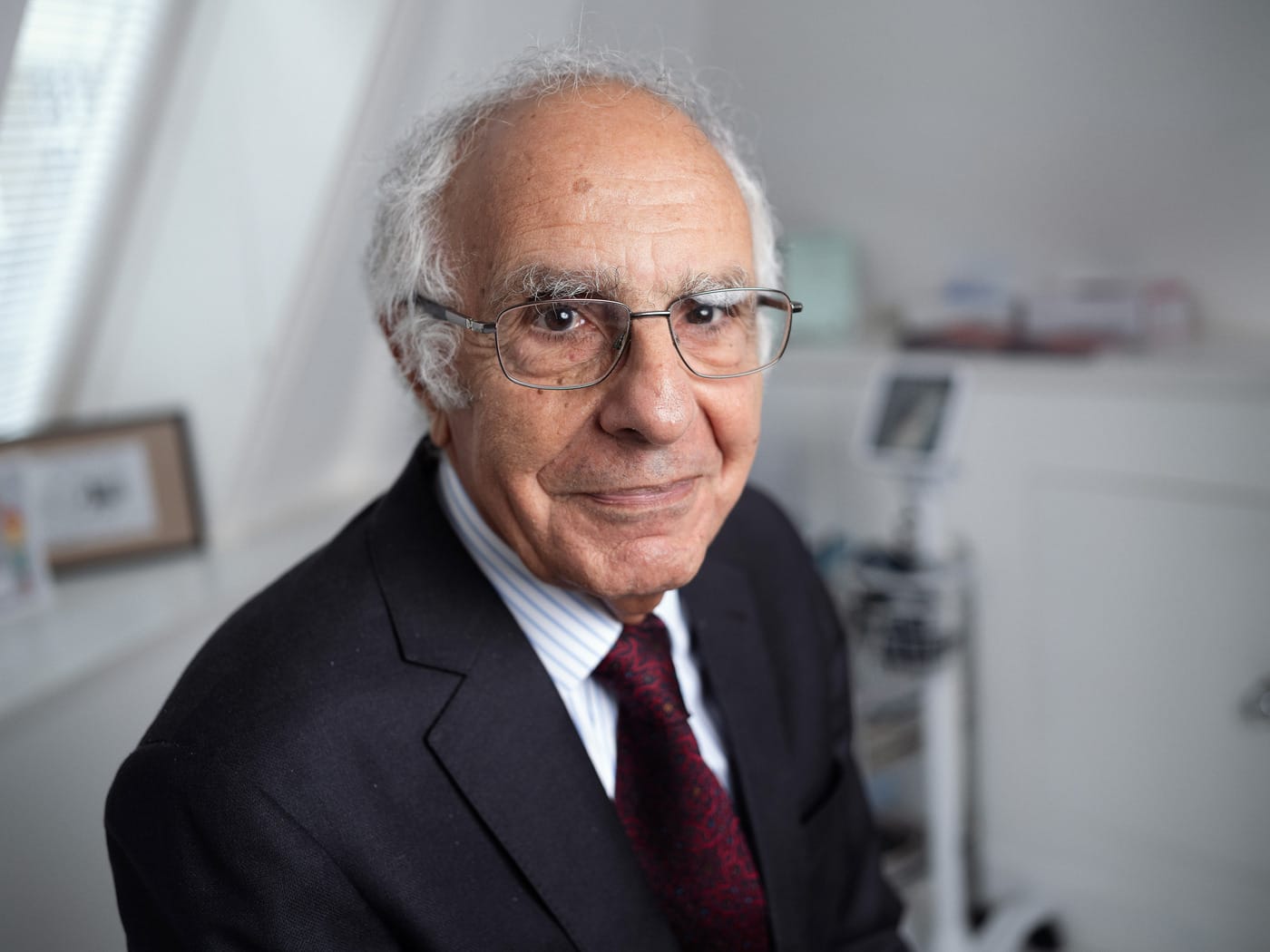
Dr Ralph Abraham
Dr Ralph Abraham, a founder of London Medical, specialises in diabetes, weight management, endocrinology and cholesterol.
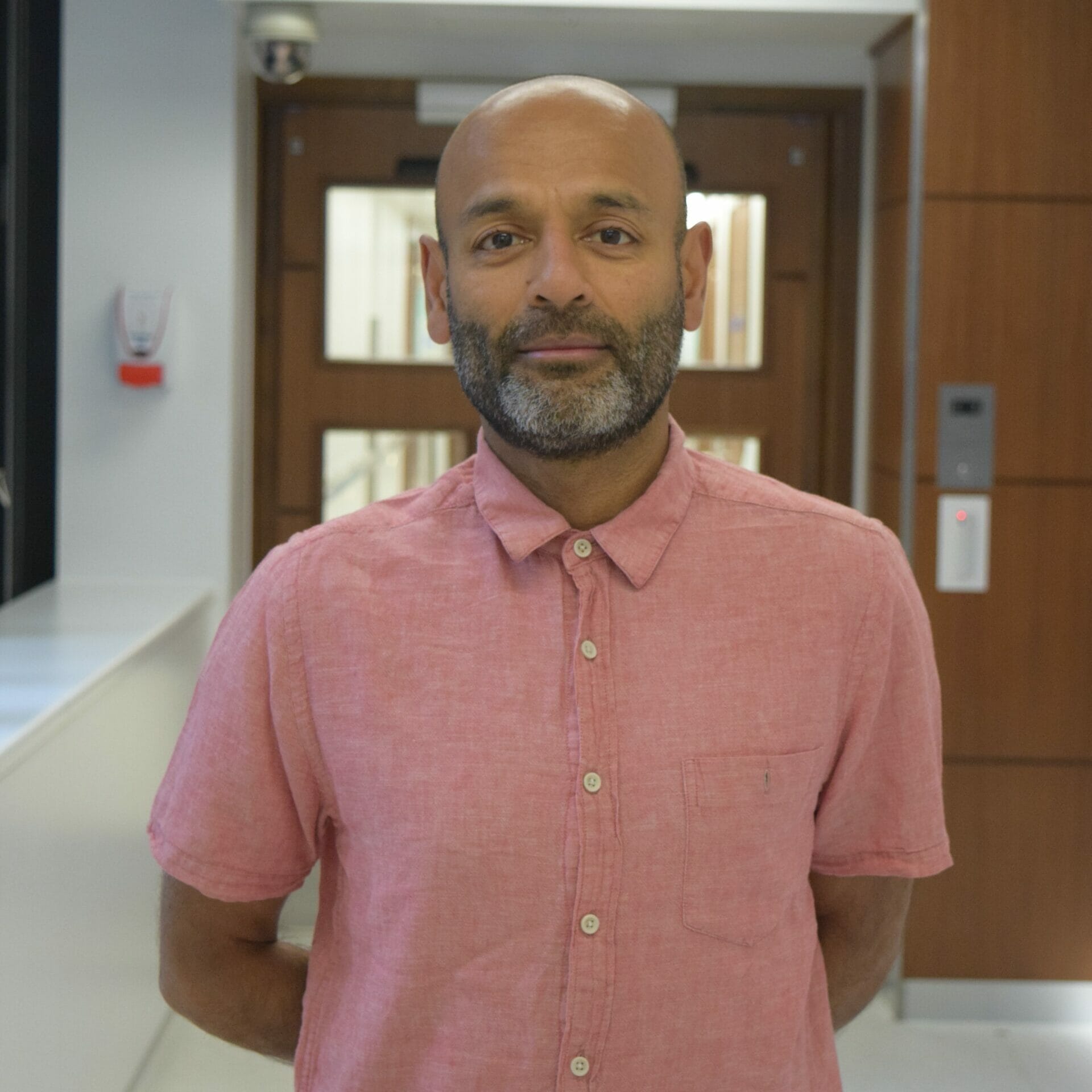
Dr Rakesh Amin
Clinical lead for endocrinology and diabetes at Great Ormond Street Hospital. His clinical practice encompasses all areas of paediatric and adolescent endocrinology and diabetes.

Dr David Cavan
An experienced consultant endocrinologist with expertise in all areas of diabetes management.
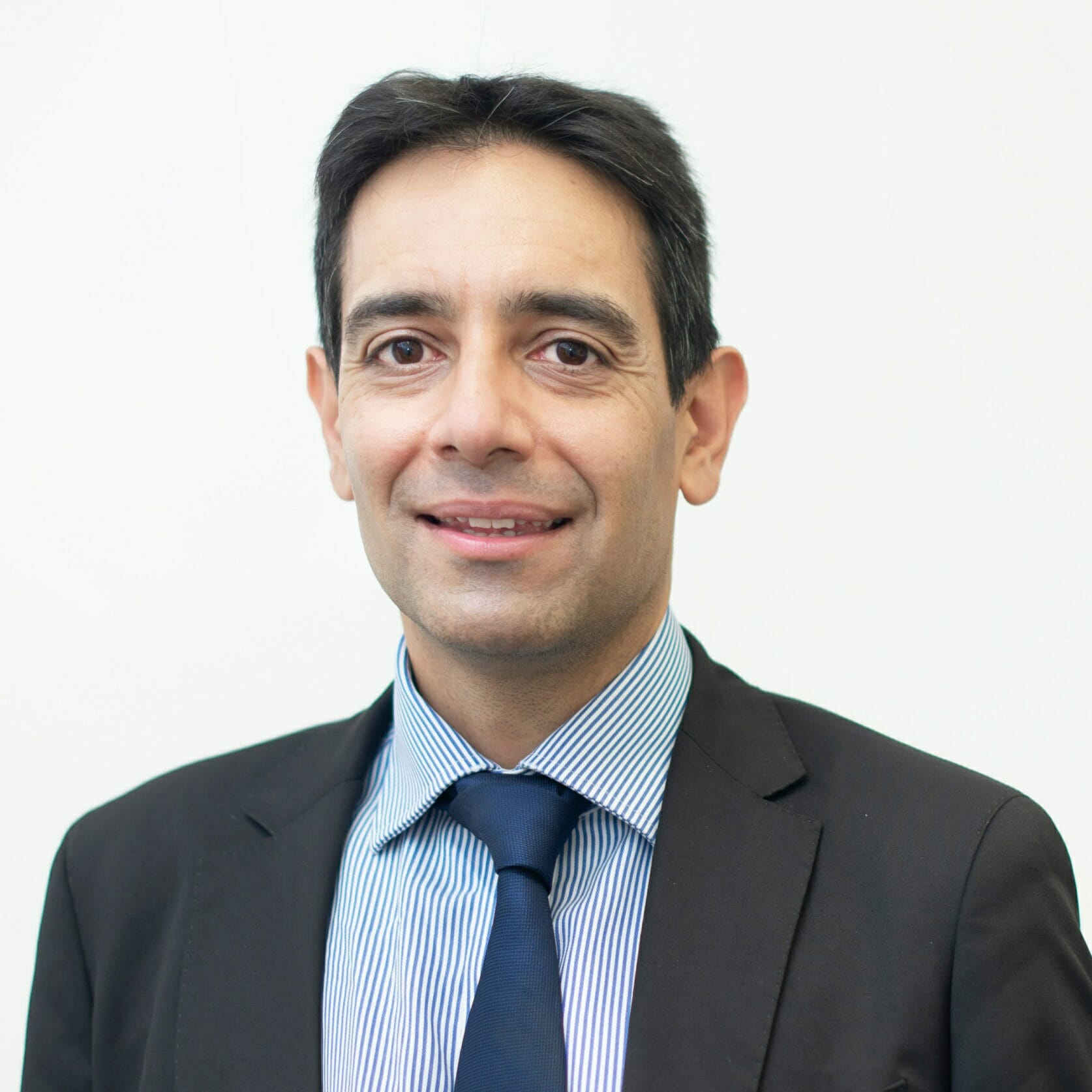
Dr Harvinder Chahal
With a focus on adults, Dr Chahal is a consultant in endocrinology, diabetes, bariatric medicine, and general internal medicine at Imperial College Trust.
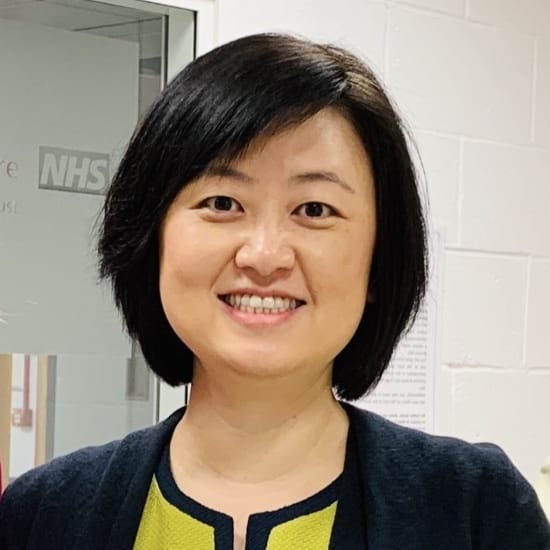
Dr Mimi Z. Chen
Specialist consultant in diabetes and endocrinology with a particular interest in weight loss and weight management medications.
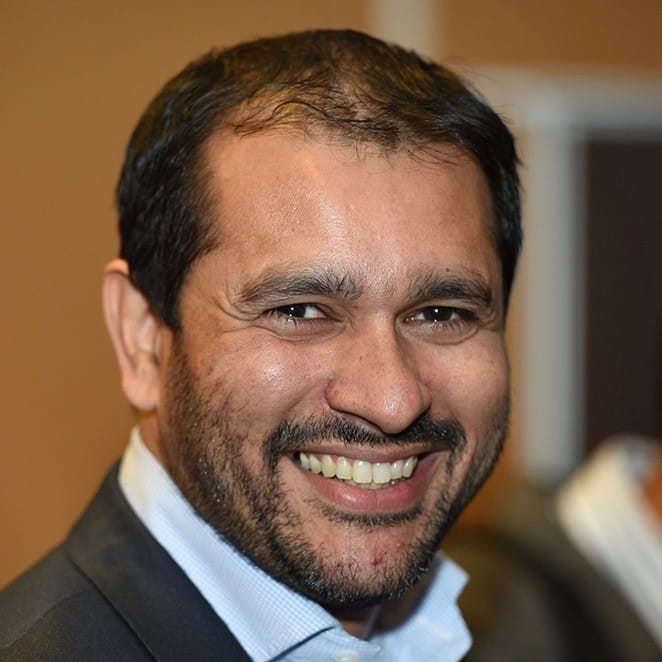
Professor Pratik Choudhary
Consultant in diabetes with a special interest in type 1 and technology to manage it.
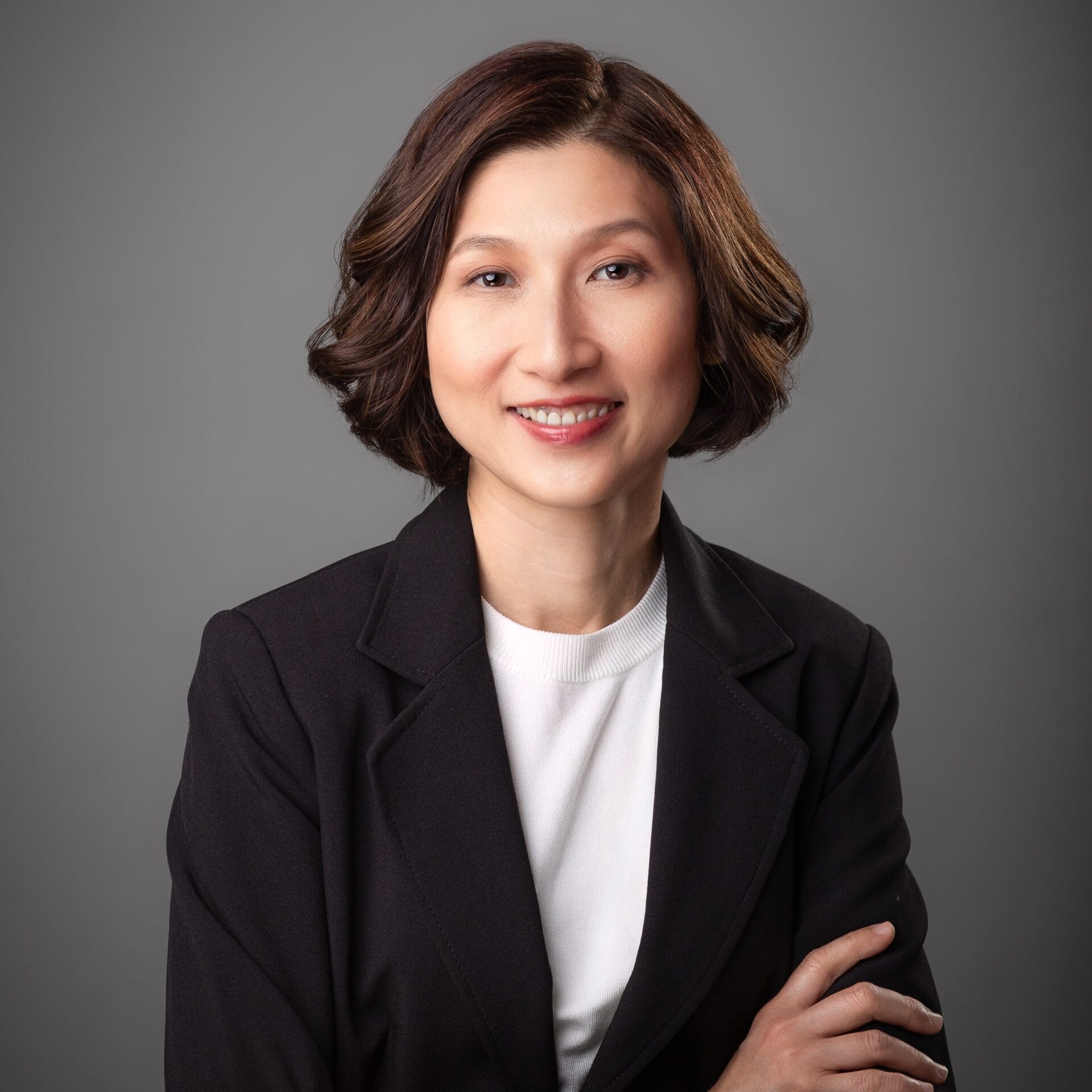
Dr Ling Ling Chuah
Consultant endocrinologist with over a decade’s experience in the treatment of diabetes.
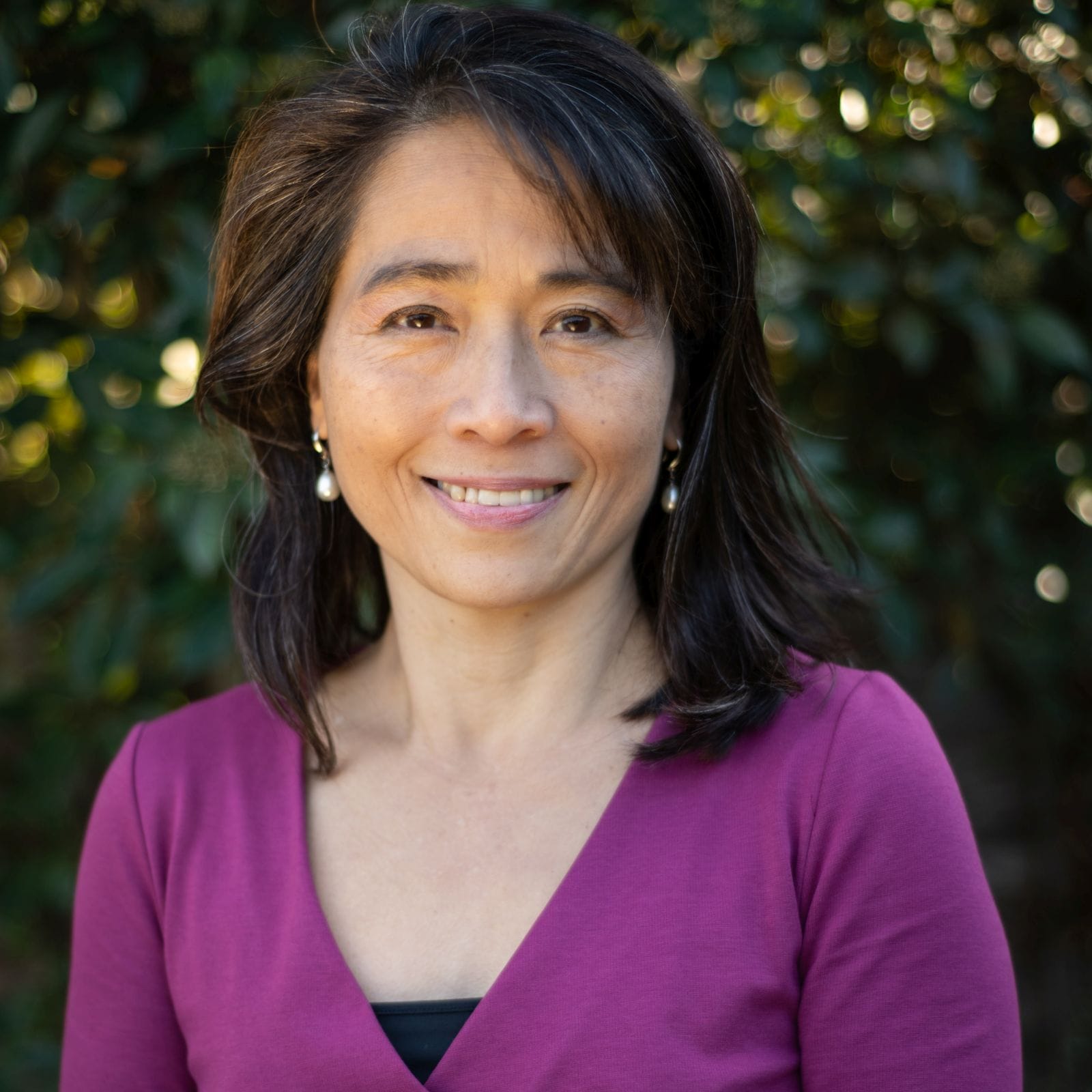
Dr Teng-Teng Chung
Consultant endocrinologist, manages both general and specialist endocrinology conditions which focuses on thyroid, adrenal and pituitary disorders.
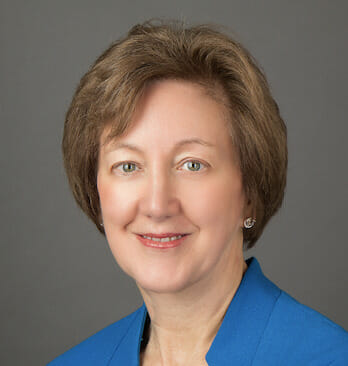
Professor Melanie Davies
Ms Melanie Davies is a consultant obstetrician and gynaecologist and accredited subspecialist in reproductive medicine, treating ages of 14 and upwards.
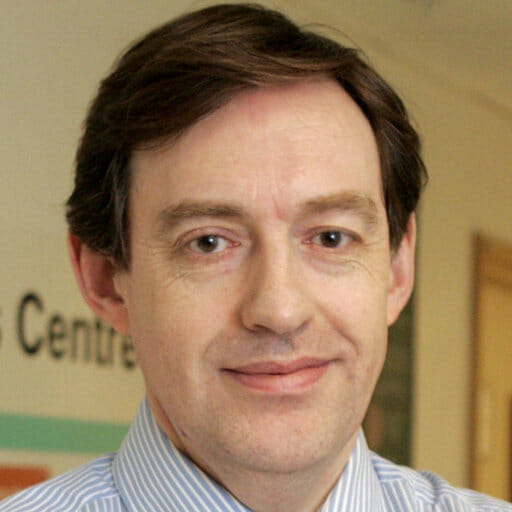
Dr David Hopkins
Consultant physician and diabetologist with a particular clinical interests in insulin pump therapy and management of advanced diabetes complications.
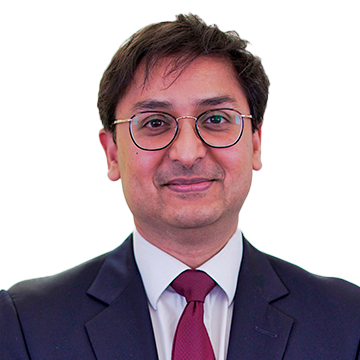
Dr Bobby Huda
Specialist in endocrinology and diabetes who currently practices at several locations around London, including Barts Health NHS Trust.

Dr Sufyan Hussain
Consultant Diabetes and Endocrine Physician, interested in the latest treatments for type 1 and 2 diabetes and weight management.
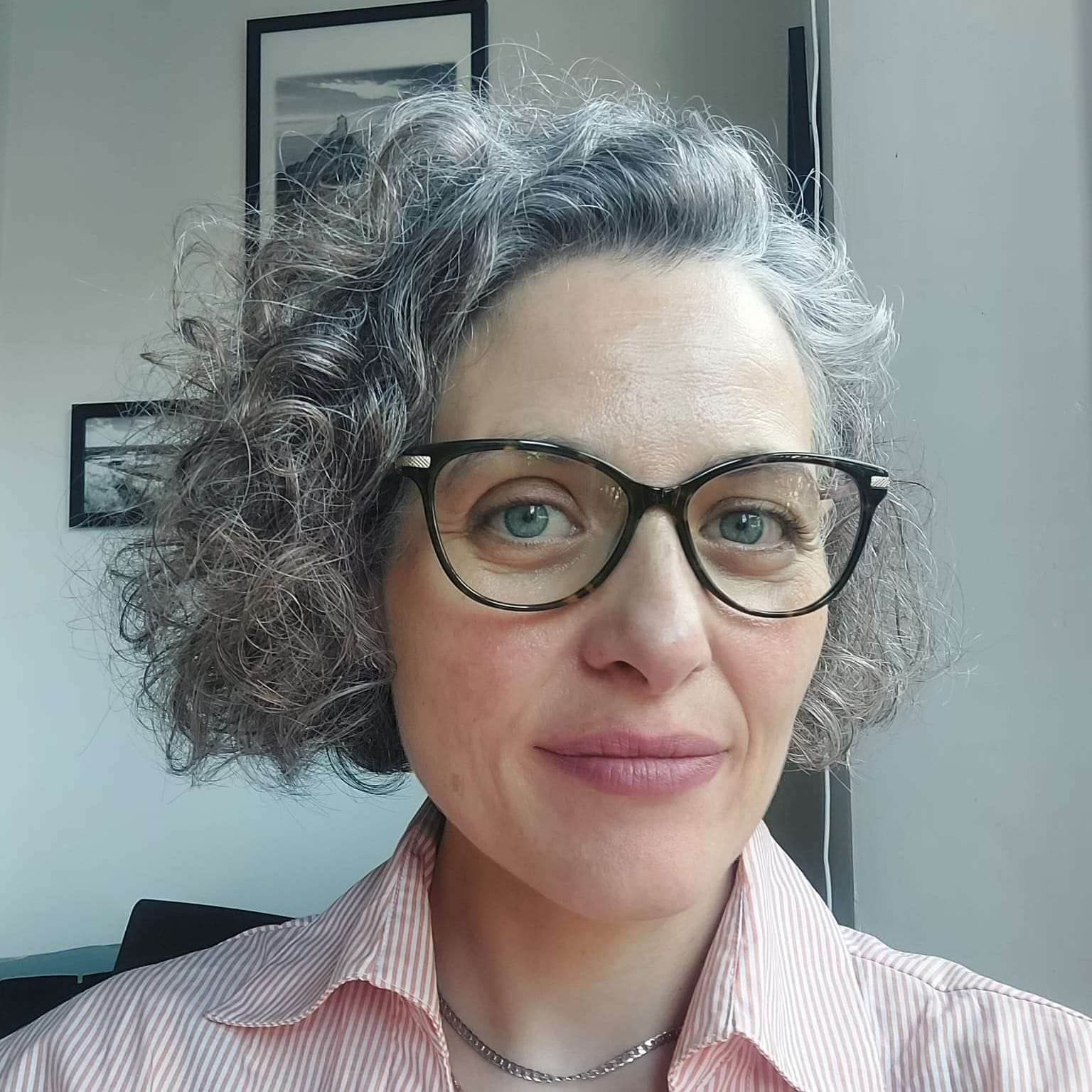
Dr Dunia Ismail
Consultant Paediatric Endocrinologist/Diabetologist, focusing on technology managed diabetes,
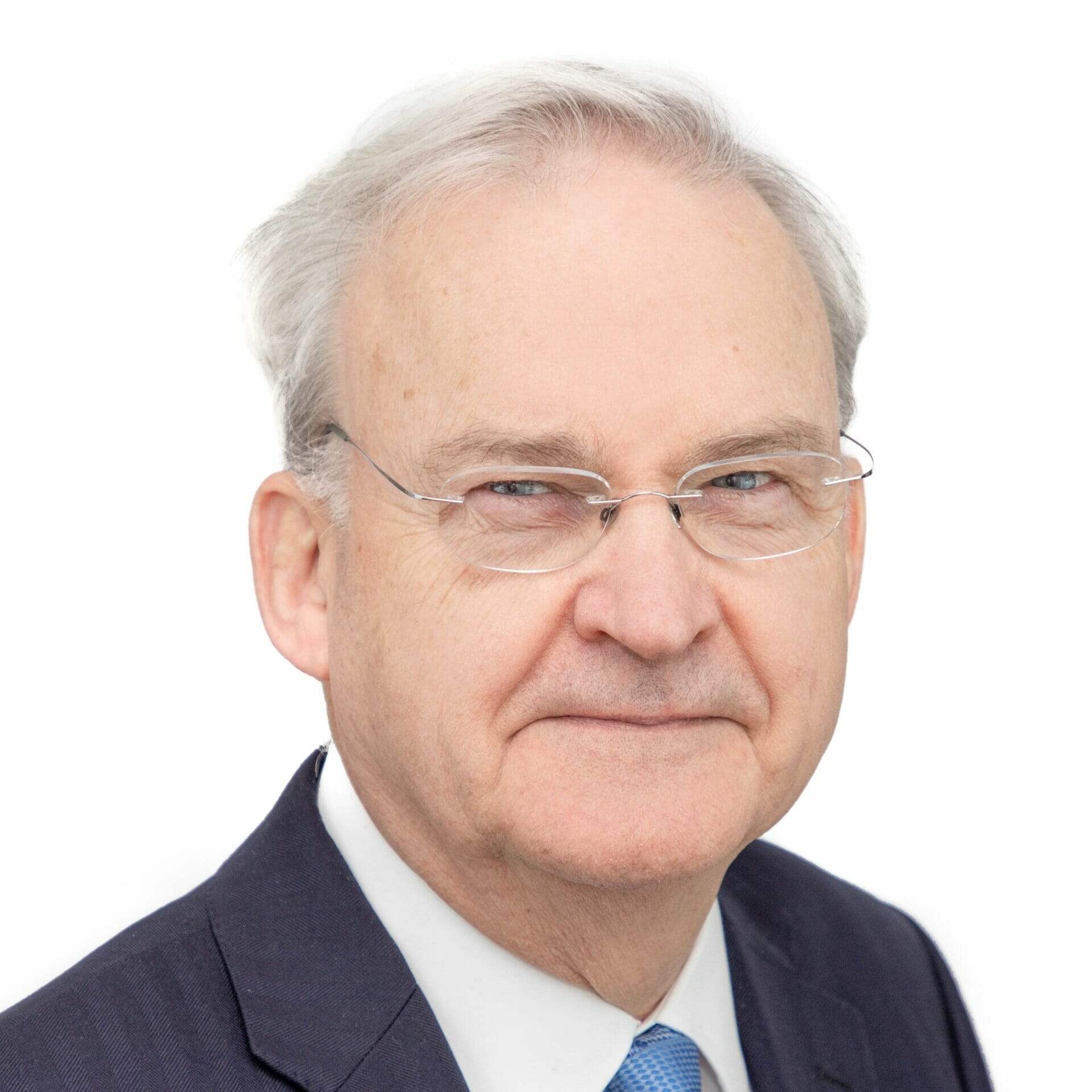
Dr Malcolm Prentice
Consultant in endocrinology, diabetes and general medicine with a special interest in thyroid diseases.

Dr Helen Spoudeas
A paediatric endocrinologist, specialising in paediatric neuroendocrinology and sees all patients with growth and puberty disorders.
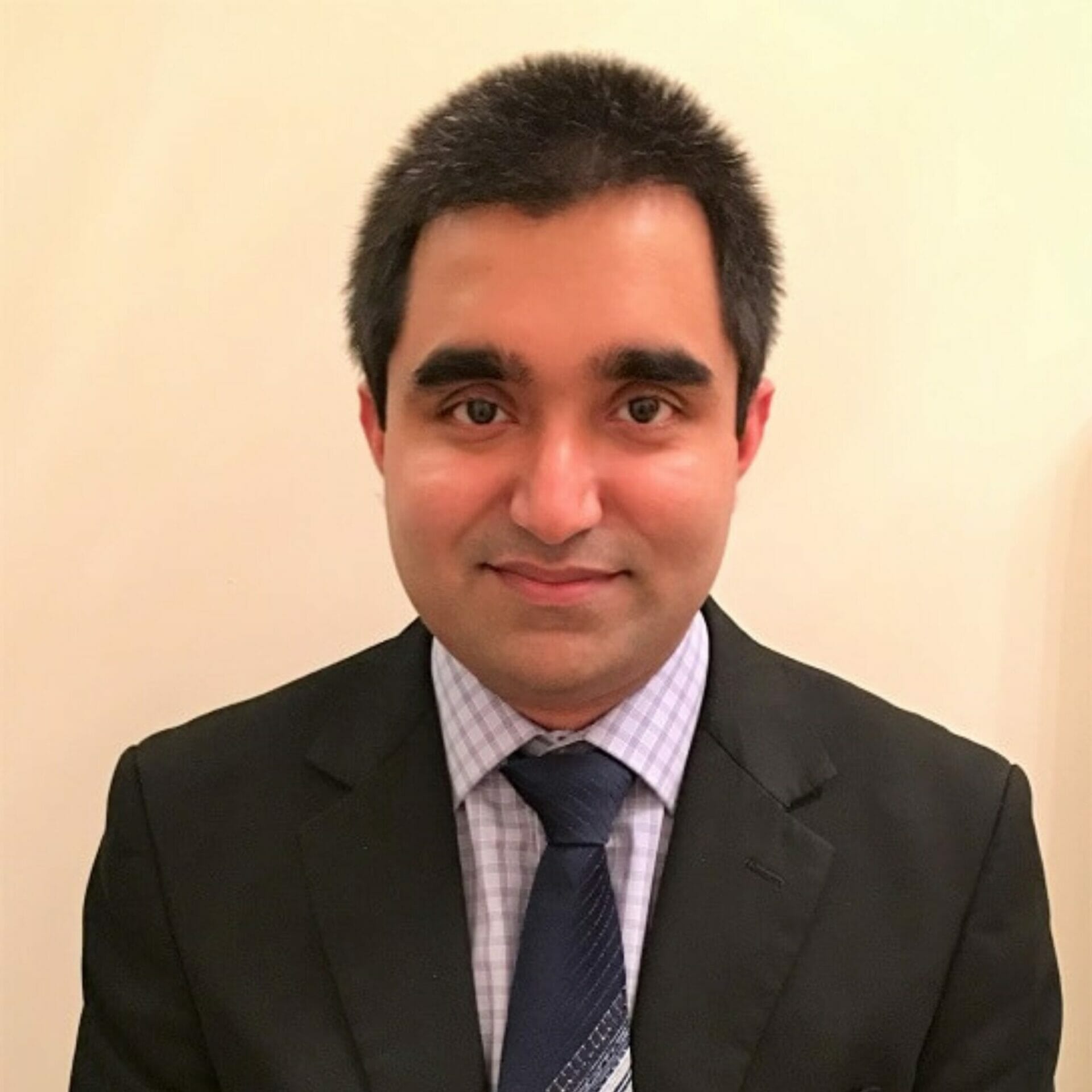
Mr Vikram Talaulikar
Associate specialist at UCL with clinical interests that include reproductive endocrinology, PMOS, fertility, recurrent miscarriage, premature menopause.

Your partners in care
The first step in diagnosing a hormonal disorder is comprehensive blood testing. All blood work can be done in-house in our state-of-art testing facilities for a swift and accurate diagnosis. Our experienced endocrine nurses have the expertise to ensure that hormonal blood tests are done correctly and safely. When your results arrive, your consultant will carefully review the findings with you during a follow-up consultation.
Getting your diagnosis is just the first step. Whether you’re relieved to finally have some answers or feel overwhelmed with information, we’ll take the time to help you understand your results and treatment options. We’re also happy to share your results with your GP and work alongside them throughout your ongoing care. Whatever treatment plan you might choose, we can be there to support and advise you every step of the way.
Paediatric and adolescent endocrinology
Hormone problems in children and adolescents affect their growth and development and significantly impact their physical and emotional well-being. Our paediatric endocrinologists offer specialist care for children from infancy to young adulthood. Our consultants treat all childhood endocrine disorders, including many children with:
- Growth and development problems
- Early and late puberty
- Thyroid disorders
- Adrenal disorders
If your child is not growing and developing as they should, it’s natural to worry about the underlying cause and want to avoid any delay in getting a diagnosis and treatment. At London Medical, appointments are booked promptly, blood tests can be done on the same day in-house and results are shared without delay.

Meet our paediatric endocrinologists
Dr Helen Spoudeas
A paediatric endocrinologist, specialising in paediatric neuroendocrinology and sees all patients with growth and puberty disorders.
Dr Rakesh Amin
Clinical lead for endocrinology and diabetes at Great Ormond Street Hospital. His clinical practice encompasses all areas of paediatric and adolescent endocrinology and diabetes.
Speak to a member of our team

Get in touch
If you have any questions or want to book an appointment, please speak to our team on +44 (0)800 0483 330.
Or, make an enquiry online using this form and one of our team will be in touch. Please note, all the information collected is required as part of our registration process. By using this form you agree with the storage and handling of your data by our team. You don't need a referral from your GP to make an appointment with us.
Contact us
Our team can also be contacted on +44 (0)800 0483 330.
Please note, all the information collected is required as part of our registration process. By using this form, you agree with the storage and handling of your data by our team.