


Although the word ‘failure’ sounds frightening, heart failure doesn’t mean that the heart cannot function at all. Heart failure is when the heart cannot pump blood as it should. If you’ve received a heart failure diagnosis, you’re probably managing your feelings of uncertainty, vulnerability and frustration that you can’t do the things that you used to do. But with careful management and treatment, you can improve your prognosis and your quality of life.
Heart failure is a long-term condition in which the heart is unable to pump blood throughout the body as it should. Your body depends on the heart to supply oxygen-rich and nutrient-rich blood to the body’s cells. When your heart is weakened or stiff, it can’t work properly and your cells can’t get the necessary nourishment they need. As a result, you might experience shortness of breath, fatigue and an inability to do what you once could – whether that’s your regular exercise routine or everyday activities such as walking or climbing stairs.
Heart failure is typically a progressive condition that develops slowly over the years, but it can also come on suddenly, for example, after a heart attack. It can affect the left side, right side or both sides of your heart. When the heart pumps less effectively, blood can back up in parts of the body leading to fluid build-up or swelling in the legs and feet.
Heart failure is a serious, non-curable condition, but treatment, healthy lifestyle changes and medication can improve your outlook and help you lead a full life. By actively managing any related conditions such as diabetes, obesity, hypertension and high cholesterol, you can significantly improve your life expectancy and prognosis.
Early detection and diagnosis is the key to improving your prognosis of heart failure. If you’ve experienced breathlessness, a decreased ability to exercise, fatigue or swelling in your ankles and feet, get in touch with us today to arrange a comprehensive heart health check.
Our approach to heart health
We believe that cutting-edge cardiology care means working hand-in-hand with other related specialties to prevent, treat and manage heart disease. Your risk for heart failure can often be reduced by diagnosing and treating underlying and related conditions such as high blood pressure, high cholesterol, obesity and diabetes. At London Medical, we have the top experts working together for your care – all under one roof.
The main symptoms of heart failure include:
- Breathlessness
- Reduced exercise tolerance (an inability to do what you were once able to do)
- Fatigue
- Swollen legs (oedema)
- Having trouble breathing when lying flat
Many other heart conditions can lead to heart failure. The most common reasons for heart failure are:
- Coronary artery disease (CAD) is when the arteries have become narrowed due to the buildup of fatty plaques on the arterial walls. This can weaken the heart muscle over time.
- Hypertension (high blood pressure) that is not properly managed requires the heart to work harder to pump blood around the body. Over time, this can make the heart weakened or stiff.
- A previous heart attack might have caused damage to the heart muscle, affecting its ability to pump blood to the body.
Other reasons for heart failure can include:
- Valvular heart disease
- Cardiac arrhythmias
- Overconsumption of alcohol, some medications and drugs
- Obesity
- Genetic conditions that predispose you to heart failure
A variety of blood, imaging and breathing tests are used to diagnose and monitor heart failure. These could include:
- Electrocardiogram (ECG) – This simple, non-invasive test records your heart’s rate, rhythm and electrical activity. It’s also called a resting ECG.
- Echocardiogram – An ‘echo’ for short, this test uses ultrasound waves to create a moving image of your heart.
- Cardiac MRI – This non-invasive test uses an MRI machine to create magnetic and radio waves to show detailed pictures of the inside of your heart.
- CT angiography – A computed tomography (CT) scan is a non-invasive imaging test that looks at the coronary arteries for calcium buildup and plaque.
- Cardiac catheterisation – In this minimally invasive procedure, a thin, flexible tube is inserted into the artery via the groin, arm or neck. X-rays and contrast dye are used to take detailed pictures of the coronary arteries.
- Breathing tests – Simple, non-invasive breathing tests can measure your lung capacity.
- Cholesterol and lipid testing – Blood tests to assess your blood cholesterol and lipid levels can determine if you have a lipid problem that can make your heart failure worse.
In most cases, heart failure is not curable so you’ll need to manage your condition for the rest of your life. Your treatment will depend on the cause and severity of your heart failure. We’ll work with you to come up with a customised treatment plan that includes medication, rhythm correction devices if necessary, lifestyle changes and self-education.
Medications
You may need several medications to treat and manage your heart failure. It can feel overwhelming at first to take so much medication, but it’s important to take your tablets carefully and stay in close contact with your cardiology care team to manage your dosage and any possible side effects. You will likely be prescribed a number of the medications below.
- Diuretics reduce the amount of fluid in your blood or lungs.
- ACE inhibitors and ARBs relax the blood vessels around the body to help reduce the strain on the heart.
- Beta-blockers slow down your heart rate so that it can beat stronger.
- MRAs (Spironolactone and Eplerenone) help prevent water and salt from building up in the body.
- ARNIs (Entresto) lowers blood pressure and reduces sodium levels, which reduces stress on the heart.
- SGLT2 inhibitors (Dapagliflozin and Empagliflozin) are used to reduce blood sugar levels in type 2 diabetics but they have also been proven to be effective in all heart failure patients with reduced ejection fraction.
- Vericiguat makes it easier for the heart to pump blood through the lungs.
Implantable medical devices
In some cases, your consultant might suggest a surgically implanted device to help your heart work more effectively.
- Pacemaker – A pacemaker is implanted just under the skin which sends electrical signals to the heart to keep it beating regularly and at the right speed.
- Implantable cardioverter-defibrillator (ICD) – This surgically placed device delivers an electric countershock to the heart when a life-threatening abnormal rhythm is detected.
- Cardiac resynchronisation therapy (CRT) – This is a special pacemaker that makes the ventricles contract more efficiently and in a more synchronised way.
Surgical interventions
Surgery can be recommended to treat any underlying cause of your heart failure. Some solutions that might be recommended include:
- Coronary angioplasty to treat blocked arteries
- Minimally invasive mitral valve surgery to allow the mitral valve to close properly
- Heart valve surgery to repair or replace damage valves
- Coronary artery bypass graft (CABG) surgery to treat severely blocked arteries
- Heart transplant for when heart failure can’t be corrected by other medical or surgical options.
Lifestyle changes
In addition to taking tablets, you’ll need to take an active role in managing your condition. There are many lifestyle changes that you can adopt that will have a big impact on your quality of life.
- Reduce your fluid and sodium intake to control your blood pressure and avoid fluid retention.
- Seek out a local heart failure exercise rehabilitation programme to strengthen your heart muscle.
- Set up a system of shared care and open communication among yourself, your GP, your community heart failure nurse and your cardiologist team.
- Learn all you can about the self-management of your condition. There are many helpful resources for you and your family and friends that can be found on the charity site Pumping Marvellous.
As part of the London Medical family, our cardiology clinic has access to various specialties – all under one roof. So whether you need a personalised weight management programme, expert nutritional advice or support with quitting smoking, we’re here to help look after your whole health.
Meet our Cardiologists

Dr George Amin-Youssef
Consultant cardiologist who deals with adults and specialises in heart failure, including advanced heart failure, working in one of the largest heart failure units in the UK.

Professor Carlo Di Mario
Specialist in Interventional cardiology – the use of catheters and other devices to restore blood flow to the heart without major surgery.

Dr Claire Chalmers-Watson
Dr Chalmers-Watson is an experienced General Practitioner with over two decades of experience in primary care and a profound expertise in managing a broad spectrum of health conditions.

Professor Piers Daubeney
Professor Piers Daubeney is a consultant paediatrician at London Medical, specialising in paediatric cardiology.

Dr Shouvik Haldar
Consultant Cardiologist and Electrophysiologist at the Royal Brompton and Harefield Hospitals with a specialist interest in the management of patients with abnormal heart rhythms.
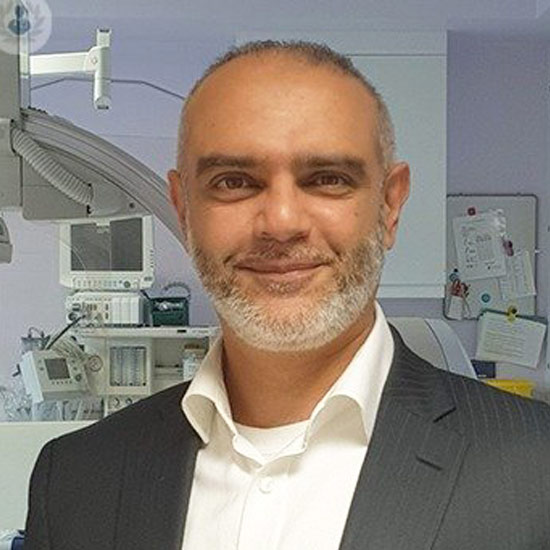
Dr Riyaz Kaba
Consultant cardiologist and electrophysiologist, specialising in arrhythmias, ablations, and pacemakers.
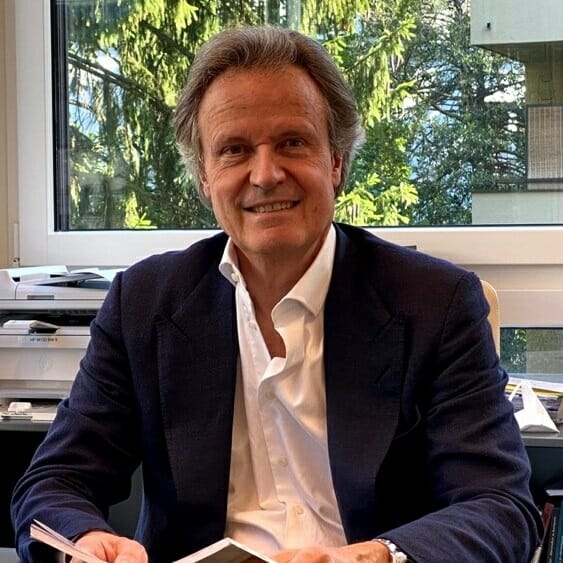
Professor Thomas F. Lüscher
Consultant in cardiology, interested in interventional cardiology, rhythmology, echocardiography, heart failure, acute cardiac care, and sports cardiology.
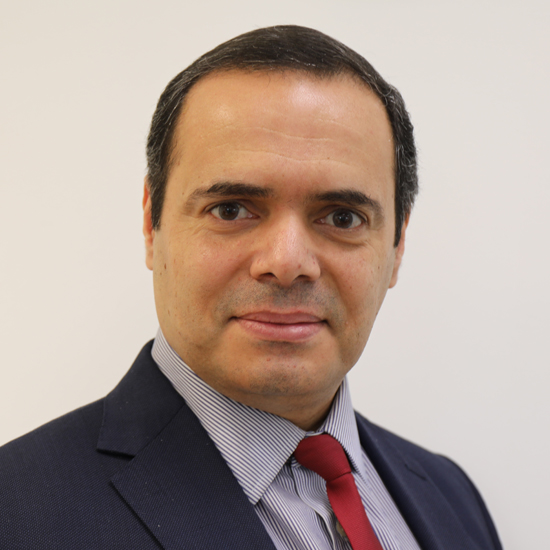
Dr Khaled Mallek
An esteemed consultant interventional and general cardiologist, specialising in complex coronary interventions and chronic total occlusions.
Dr Nikolaos Papageorgiou
Dr Nikolaos Papageorgiou is a consultant cardiologist at London Medical, specialising in heart failure and electrophysiology.

Professor Kausik Ray
Consultant preventative cardiologist, specialising in diabetes, lipids, glucose, hypertension and cardiometabolic traits.
Simon’s story

“
My advice to anybody who has had a heart attack is not to simply think that that’s the end. Life can continue on normally afterwards
Simon B - 71, is a dedicated football player. When he had a heart attack, he feared he’d have to quit his favourite game.
Are you worried because someone in your family has suffered a premature heart attack? Are you aware of your cholesterol numbers? Whether you are concerned about managing your risk of heart attack or stroke or you just want to ensure you can enjoy your years of retirement, our comprehensive heart assessment plan can help you identify and manage your risk of developing heart disease. London Medical’s world-class cardiac consultants will assess your personal risk for future cardiac disease using the latest tests and techniques in our state-of-the-art imaging suite. The results are used to identify risk factors, evaluate your current heart health and advise you on a treatment plan should you need one.
Learn more about cardiology
Get more insight and advice from our experts on how to prevent, treat and manage heart failure.

New service at London Medical

What is an angina attack?
Speak to a member of our team

Get in touch
If you have any questions or want to book an appointment, please speak to our team on +44 (0)800 0483 330.
Or, make an enquiry online using this form and one of our team will be in touch. Please note, all the information collected is required as part of our registration process. By using this form you agree with the storage and handling of your data by our team. You don't need a referral from your GP to make an appointment with us.
Contact us
Our team can also be contacted on +44 (0)800 0483 330.
Please note, all the information collected is required as part of our registration process. By using this form, you agree with the storage and handling of your data by our team.
Heart Health News
Find out the latest news, thinking and insights from our experts. Our Heart Health News is your go-to source of trusted advice and knowledge on all matters of the heart.

Chest pain and how it may be avoided

6 ways to prevent heart disease