


The word ‘adrenal’ sounds like adrenaline for a reason. Our adrenal glands produce our body’s ‘fight or flight’ hormone, adrenaline. Along with the related hormones noradrenaline and dopamine, the adrenal hormones work together to maintain our blood pressure and heart rate. But that’s not their only function. Our adrenal glands release additional hormones that are essential for healthy daily life. They are also responsible for producing steroid hormones such as cortisol and aldosterone and the androgens (male sex hormones) DHEA, androstenedione and testosterone.
You have two small triangle-shaped adrenal glands located on top of either kidney. The adrenal glands are composed of two parts: the adrenal cortex and the adrenal medulla. They each produce various hormones that impact different functions in the body. The adrenal cortex is regulated by the pituitary gland, a small, pea-sized gland located in the brain.
What are the functions of the adrenal hormones?
The adrenal cortex is the outer part of the gland. It produces the following essential hormones:
- Cortisol helps the body respond to stress and regulates metabolism.
- Aldosterone helps control blood pressure.
- DHEA is a male sex hormone (androgen) that is converted in the testes to testosterone.
The adrenal medulla is the inner part of the adrenal gland. It secretes catecholamines, the hormones responsible for your body’s fight or flight response:
- Epinephrine (also called adrenaline) increases your heart rate and rushes blood to your muscles and brain, giving you a rush of strength and heightened performance in times of stress.
- Norepinephrine (also called noradrenaline) works with adrenaline to increase blood pressure, help break down fat and increase blood sugar levels to provide more energy to the body.
What might go wrong with the adrenal glands?
Adrenal disorders result from either too much of a particular hormone being secreted or not enough. This hormone imbalance might result from a problem with the adrenal glands or a problem with the pituitary gland.
If you have an adrenal problem, you might experience various symptoms depending on which hormones are affected. Commonly experienced signs and symptoms of an adrenal disorder could include:
- fatigue
- anxiety and panic attacks
- weight changes
- changes in heart rate and blood pressure
- changes in blood sugar
- skin changes
Our adrenal experts have experience treating all types of adrenal problems.
- Adrenal insufficiency – This is when the adrenal glands do not produce enough essential steroid hormones, which affects vital functions such as energy levels, response to illness and fluid balance. It can result from an autoimmune disease called Addison’s Disease or from a loss of pituitary function.
- Cushing’s syndrome – This condition results from an overproduction of cortisol. It is typically caused by a small tumour in the adrenal gland or on the pituitary gland (in this case, it is referred to as Cushing’s Disease).
- Hyperaldosteronism – This is when the body overproduces the hormone aldosterone, either because of a general overproduction or due to a small, usually benign tumour (this is called Conn’s syndrome). It is characterised by increased blood pressure, sodium retention and low serum potassium levels in the blood. The resulting hypertension is often referred to as endocrine hypertension.
- Adrenal cancer – This is a rare form of cancer that begins in the adrenal glands. Symptoms can be caused by the tumour secreting hormones or the large size of the tumour pressing on nearby organs.
- Congenital adrenal hyperplasia (CAH) – This genetic disorder is often first diagnosed in children. It results in excess androgenic steroids and aldosterone and too little cortisol.
- Phaeochromocytoma – This is a type of tumour on the adrenal gland that causes too much adrenaline or other catecholamines. It can cause endocrine hypertension, a type of secondary high blood pressure caused by hormone imbalance.
- Paraganglioma – This rare neuroendocrine tumour (NET) forms near blood vessels and nerves outside the adrenal glands and can be associated with excess production of catecholamines and gut hormones.
Our approach to adrenal disorders
Medicine is changing fast, and we believe that our patients should be a part of this, not simply another number in a resource-restricted guideline. When you book a consultation at London Medical, you will see an endocrinologist who thinks outside the box and puts your individual health interests first. Our highly experienced adrenal specialists are at the cutting-edge of their field and aware of the latest advances in diagnosis and treatment.
At London Medical, we ensure you will be able to get an appointment quickly – typically within a week. Your experience will be uniquely personal to you. Your consultant will provide you with an individual treatment plan, and they will take the time to explain it to you and answer any questions or concerns you might have. Most importantly, your consultant will look at your total health and the effects of any interrelated conditions and treatments on your overall well-being. At London Medical, we have the top experts working together for your total care – all under one roof.
Your consultant will listen to your symptoms and take your personal and family medical history before conducting a thorough examination. We can do most hormone blood tests in-house on the same day. When more complex or specialised texts are necessary, our expert nurses and lab technicians will ensure your blood tests are done safely, effectively and swiftly.
Your consultant might recommend the following investigations to diagnose an adrenal disorder:
- An ACTH stimulation test to test for adrenal insufficiency
- A dexamethasone suppression test to check for excess cortisol and other adrenal hormone levels
- A diurnal cortisol test for assessing changing cortisol levels over the course of a day
- An insulin stress test to check your body’s stress response after lowering your blood sugar levels
- Hormone tests after salt loading or diuretics
- A glucagon stimulation test to check for cortisol levels under stress
- Hormone profiles to check for neuroendocrine tumours (NETs) or adrenal cancer
- CT and MRI scans of the adrenal glands
Because some of these tests involve fasting or otherwise stressful conditions for the body, we ensure that all testing is done carefully and safely by an experienced endocrine nurse.
At London Medical, you’ll have access to the latest cutting-edge treatments and medications. Your consultant will discuss all your possible treatment options and the risks and benefits of each option. They might suggest one or more of the following treatments for adrenal disorders:
- Medications to stop any excess hormone production
- Hormone replacement medication
If adrenal cancer is a possibility, our consultants work with top adrenal surgeons and oncology specialists to treat the cancer. They will suggest a multi-modal approach that recommends more than one treatment method, including medication, surgery, chemotherapy or radiation.
Meet our experts in adrenal disorders
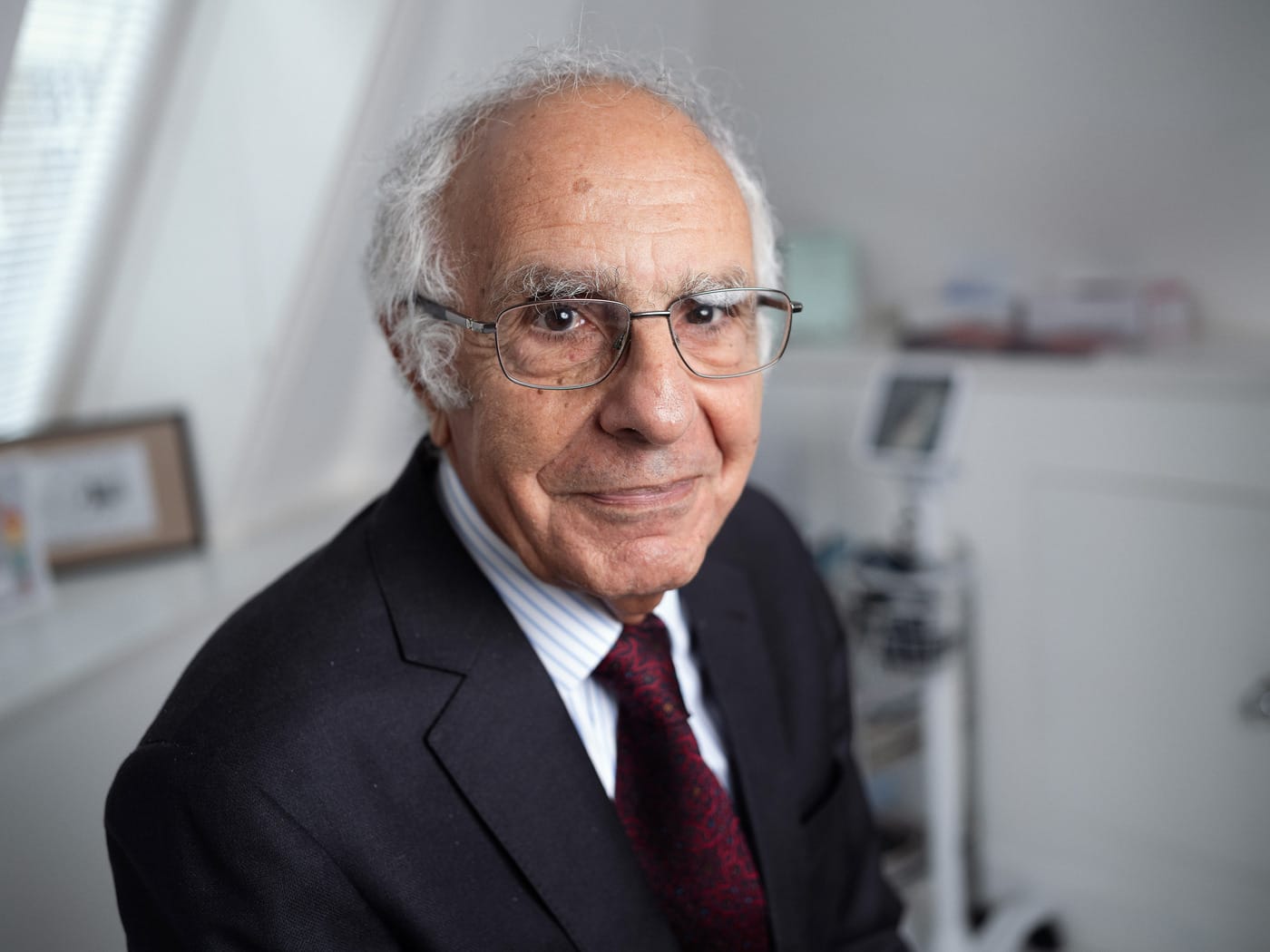
Dr Ralph Abraham
Dr Ralph Abraham, a founder of London Medical, specialises in diabetes, weight management, endocrinology and cholesterol.
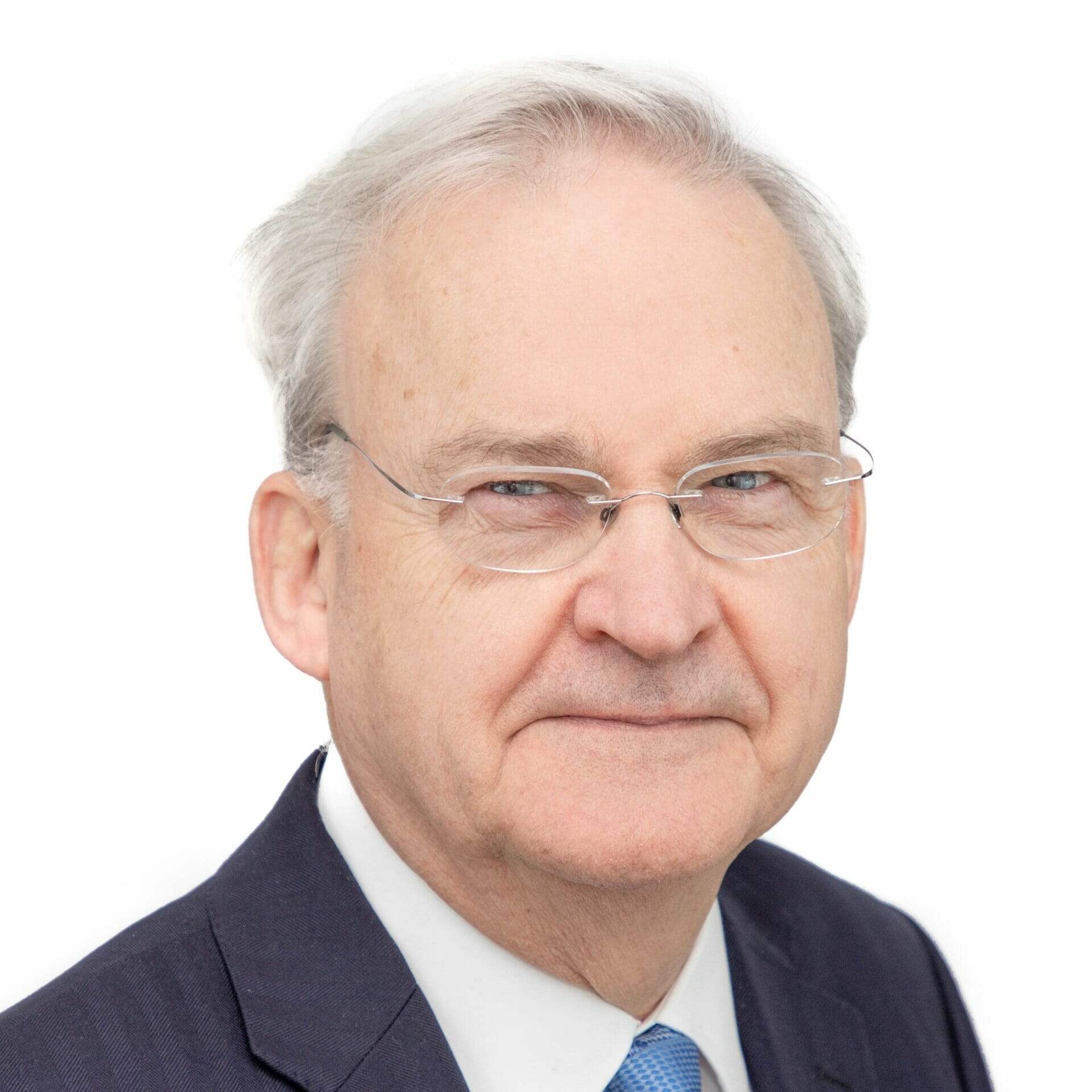
Dr Malcolm Prentice
Consultant in endocrinology, diabetes and general medicine with a special interest in thyroid diseases.

Dr Helen Spoudeas
A paediatric endocrinologist, specialising in paediatric neuroendocrinology and sees all patients with growth and puberty disorders.
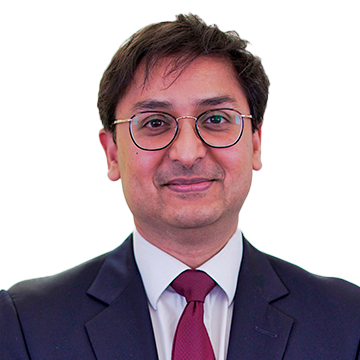
Dr Bobby Huda
Specialist in endocrinology and diabetes who currently practices at several locations around London, including Barts Health NHS Trust.

Dr Rakesh Amin
Clinical lead for endocrinology and diabetes at Great Ormond Street Hospital. His clinical practice encompasses all areas of paediatric and adolescent endocrinology and diabetes.

Dr Harvinder Chahal
With a focus on adults, Dr Chahal is a consultant in endocrinology, diabetes, bariatric medicine, and general internal medicine at Imperial College Trust.

Dr Mimi Z. Chen
Specialist consultant in diabetes and endocrinology with a particular interest in weight loss and weight management medications.

Dr Ling Ling Chuah
Consultant endocrinologist with over a decade’s experience in the treatment of diabetes.

Professor Melanie Davies
Ms Melanie Davies is a consultant obstetrician and gynaecologist and accredited subspecialist in reproductive medicine, treating ages of 14 and upwards.
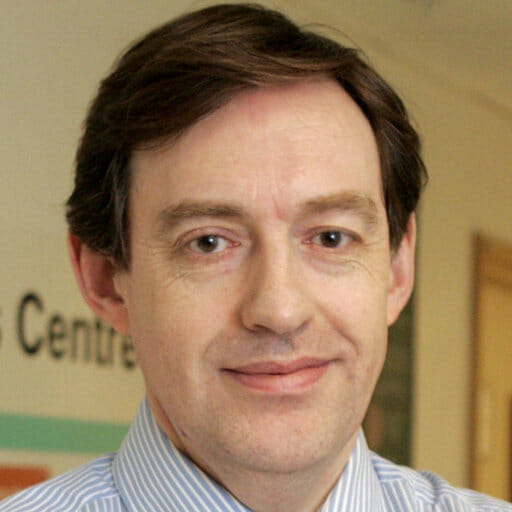
Dr David Hopkins
Consultant physician and diabetologist with a particular clinical interests in insulin pump therapy and management of advanced diabetes complications.
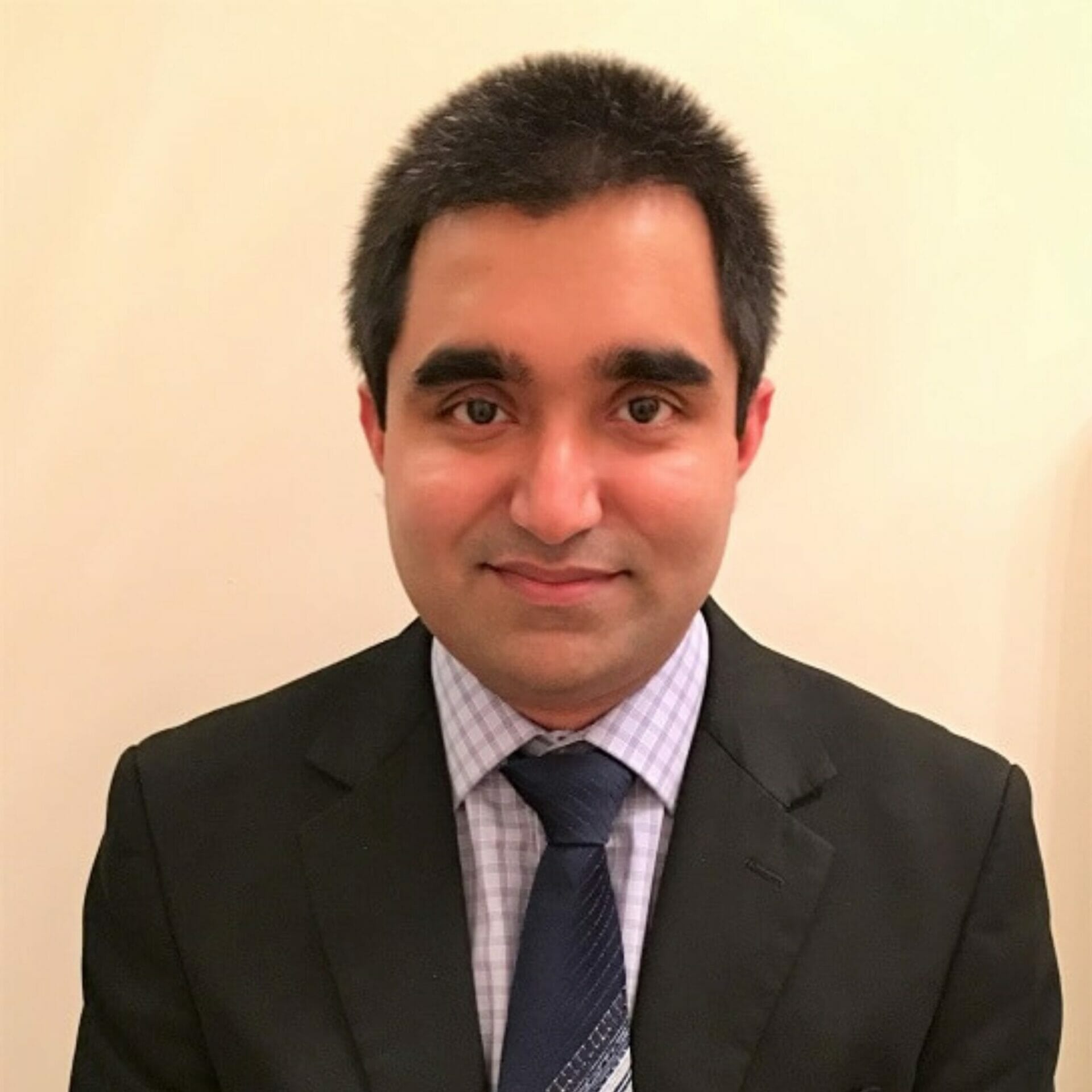
Mr Vikram Talaulikar
Associate specialist at UCL with clinical interests that include reproductive endocrinology, PMOS, fertility, recurrent miscarriage, premature menopause.
Learn more about understanding adrenal disorders
Our world-leading endocrinologists provide expert insight on the understanding and treatment of adrenal disorders. .

Recurrent miscarriage: questions and solutions

Tiredness and endocrine disorders

Speak to a member of our team

Get in touch
If you have any questions or want to book an appointment, please speak to our team on +44 (0)800 0483 330.
Or, make an enquiry online using this form and one of our team will be in touch. Please note, all the information collected is required as part of our registration process. By using this form you agree with the storage and handling of your data by our team. You don't need a referral from your GP to make an appointment with us.
Contact us
Our team can also be contacted on +44 (0)800 0483 330.
Please note, all the information collected is required as part of our registration process. By using this form, you agree with the storage and handling of your data by our team.