
Neuroendocrine tumours (NETs) are an unusual and challenging disease that requires treatment by a NET specialist. At London Medical, we understand that no one case is the same and that every patient’s journey must reflect their individual needs. Your care will be led by a neuroendocrine specialist who will head up a multidisciplinary team of experts dedicated to your unique case. If you require investigation for NETs or you want access to the latest cutting-edge treatments, our experts have experience diagnosing and treating NETs to ensure that you’ll have the best possible outcomes.
A neuroendocrine tumour (NET) begins in hormone-producing cells that are part of the endocrine system. The endocrine system is a complex system composed of glands that secrete hormones (chemical messengers). These hormones carry instructions and information to other parts of the body to coordinate and influence a range of bodily functions, from metabolism and growth to reproduction.
Neuroendocrine cells are specialised cells that link your endocrine system to your nervous system. They are found throughout the body, and when a tumour or group of tumours begins in these cells, it is called a neuroendocrine tumour (NET). Tumours can form in many different parts of the body, most commonly the lungs, pancreas or digestive system.
NETs are classified by where they are first found. NETs can be found in the following places:
- lungs
- pancreas
- small intestines
- large intestines
- rectum
- stomach
- oesophagus
- appendix
- skin
- prostate
- uterus
- adrenal, parathyroid and pituitary glands.
What are the symptoms of neuroendocrine tumours?
Symptoms of neuroendocrine tumours depend on where the tumour is located. Symptoms might also arise as a result of hormones produced by the tumour. Tumours that secrete hormones are called functional tumours, whereas those that do not release hormones are non-functional tumours.
Often a patient will not experience any signs or symptoms at first. Depending on the location and type of the NET, an individual might experience:
- abdominal pain
- flushing
- wheezing
- bloating
- heart palpitations
- skin rash
- weakness
- heartburn
- unexplained weight changes
Because primary care doctors can confuse many of these symptoms as a sign of other, more common conditions such as irritable bowel syndrome or asthma, patients are often misdiagnosed or experience a delay in being referred to a specialist.
Endocrinologists have a higher level of experience and ongoing training that cannot be matched by a general practitioner. The signs and symptoms of NETs will be recognised by an endocrinologist who will ensure that you are referred to London Medical’s NET specialist for thorough testing.
Our approach to neuroendocrine tumours (NETs)
We know that being diagnosed with a tumour can be overwhelming. We offer compassionate care and make sure you have time to discuss your concerns and ask questions about your diagnosis and treatment options. Medicine is changing fast, and we believe that our patients should be a part of this, not simply another number in a resource-restricted guideline. We know that every case is different and will tailor your patient journey to your unique experience. An expert who has experience treating these complex tumours will lead a multi-disciplinary team, ensuring that you have a coordinated approach to your care. All NET patients are discussed in multidisciplinary team (MDT) meetings. Together, your team will provide the best possible care and access to all the latest treatment options.
Your initial consultation at London Medical will begin with a thorough personal history of your symptoms and background.
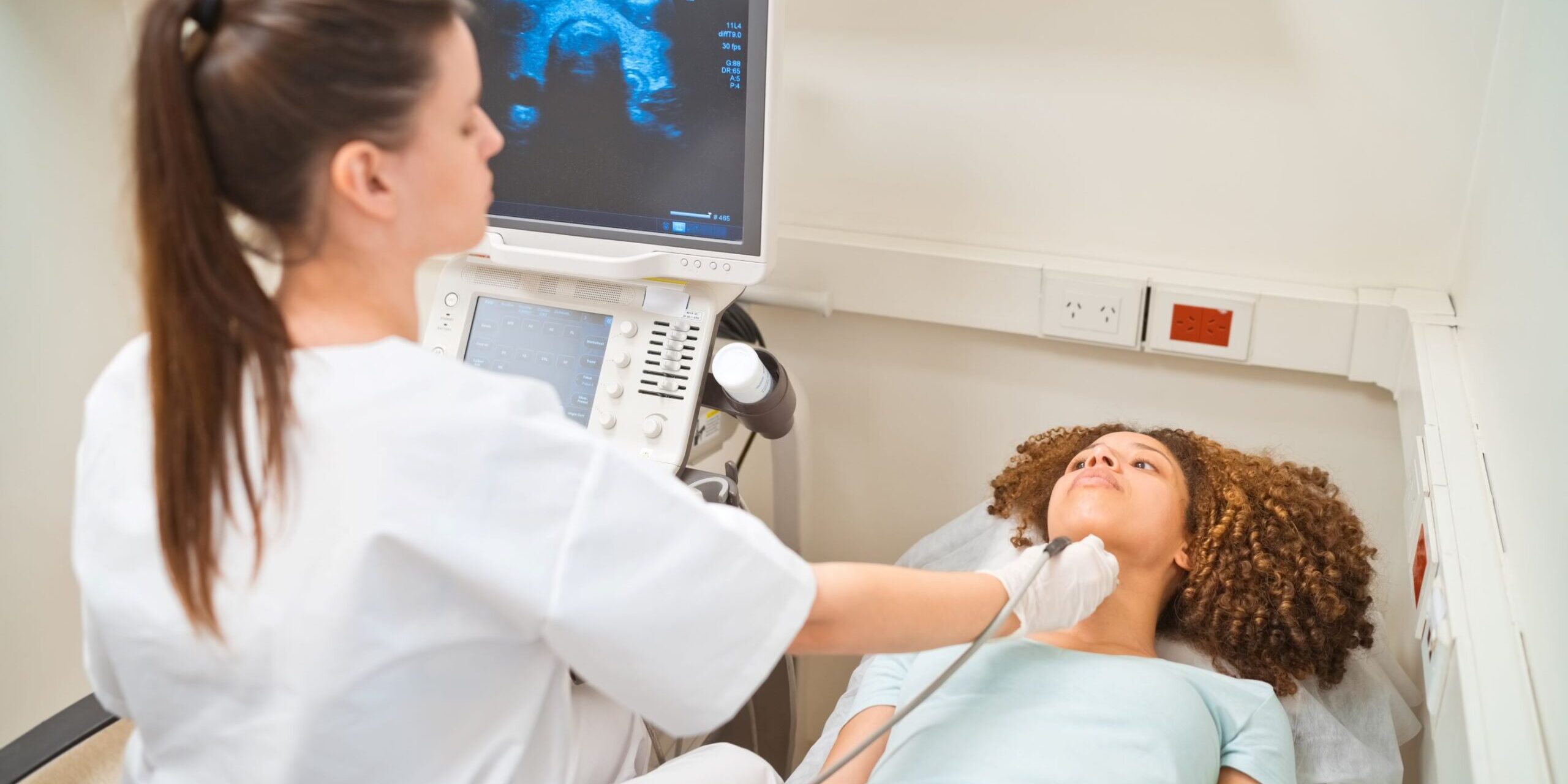
Comprehensive bloods and urinalysis are done in-house, and we help coordinate external imaging scans and tests as needed. Your consultant might suggest the following investigations:
- blood and urine tests
- CT scans
- ultrasounds
- MRI scans
- radioactive scans (PET scan)
- Endoscopy (camera) and tissue sampling
Your diagnosis will include the grade and stage of your tumour. The grade indicates the tumour’s growth rate, whereas the stage indicates how advanced the tumour is (i.e., where it has spread). This information helps you know what to expect and anticipate how your team will approach your treatment.
Your personalised treatment plan will include one plan for tumour treatment and another for treating any hormonal symptoms that you may be experiencing due to a functional tumour. If necessary, your consultant might prescribe somatostatin analogues to control your excess hormones and tumour growth, which can be administered in-house at London Medical.
Like most cancer treatments, the recommended treatment for NETs is multimodal, meaning we might suggest more than one method of treatment for your tumours. Potential treatment options might include:
- surgery
- anti-hormonal therapy
- therapy with radioactively labelled agents
- drugs targeting specific processes in the neuroendocrine tumour cells
- chemotherapy
Even after your treatment concludes, you will require lifelong monitoring to check for changes in your health.
London Medical also offers patients the opportunity to participate in cutting-edge clinical trials and research. We have access to the latest studies in the UK, and many of our patients choose to be a part of this vital area of cancer research.
Coping with NETs can be a challenge for you and your family and friends. By taking a preventative approach to looking after your physical and psychological well-being, you can give yourself the best possible chance for recovery and remission. At London Medical, we offer access to various specialties – all under one roof. Whether you’re looking for a personalised weight management programme, expert nutritional advice, physiotherapy or reproductive support after cancer treatment, we’re here to help look after your whole health.
Meet our experts in neuroendocrine tumours
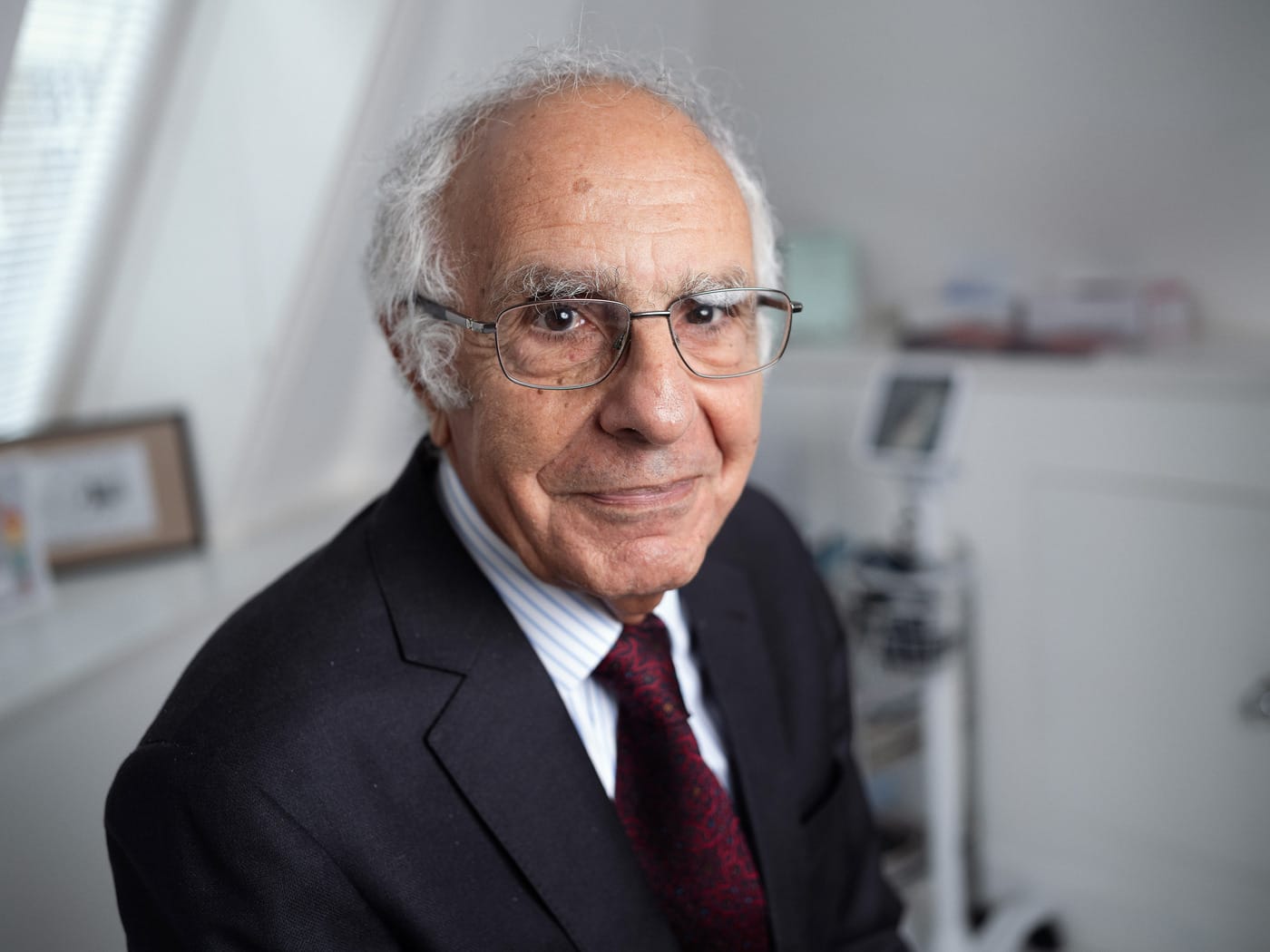
Dr Ralph Abraham
Dr Ralph Abraham, a founder of London Medical, specialises in diabetes, weight management, endocrinology and cholesterol.
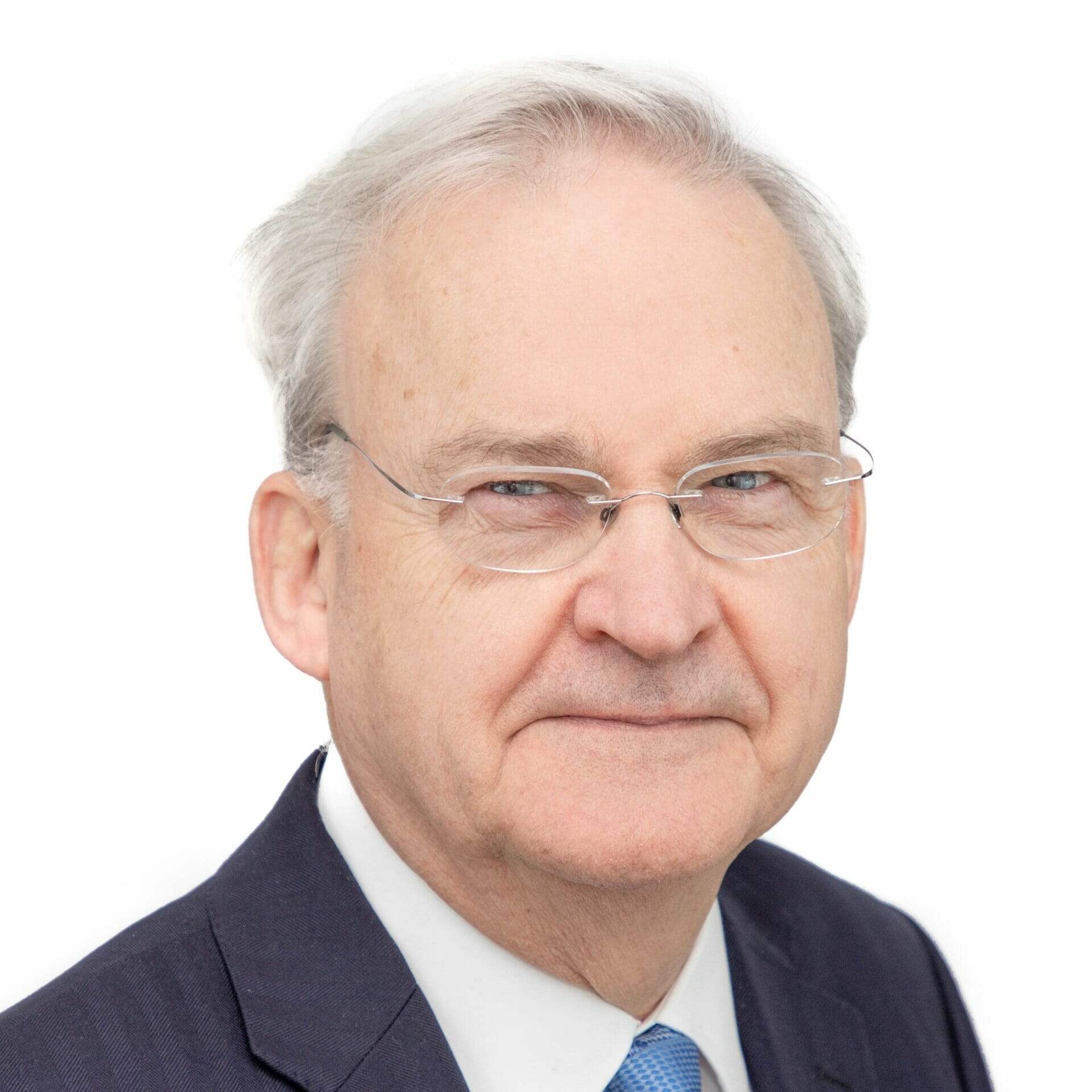
Dr Malcolm Prentice
Consultant in endocrinology, diabetes and general medicine with a special interest in thyroid diseases.
Dr Helen Spoudeas
A paediatric endocrinologist, specialising in paediatric neuroendocrinology and sees all patients with growth and puberty disorders.
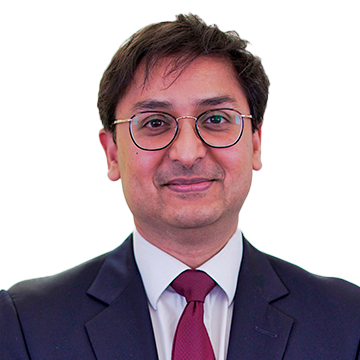
Dr Bobby Huda
Specialist in endocrinology and diabetes who currently practices at several locations around London, including Barts Health NHS Trust.
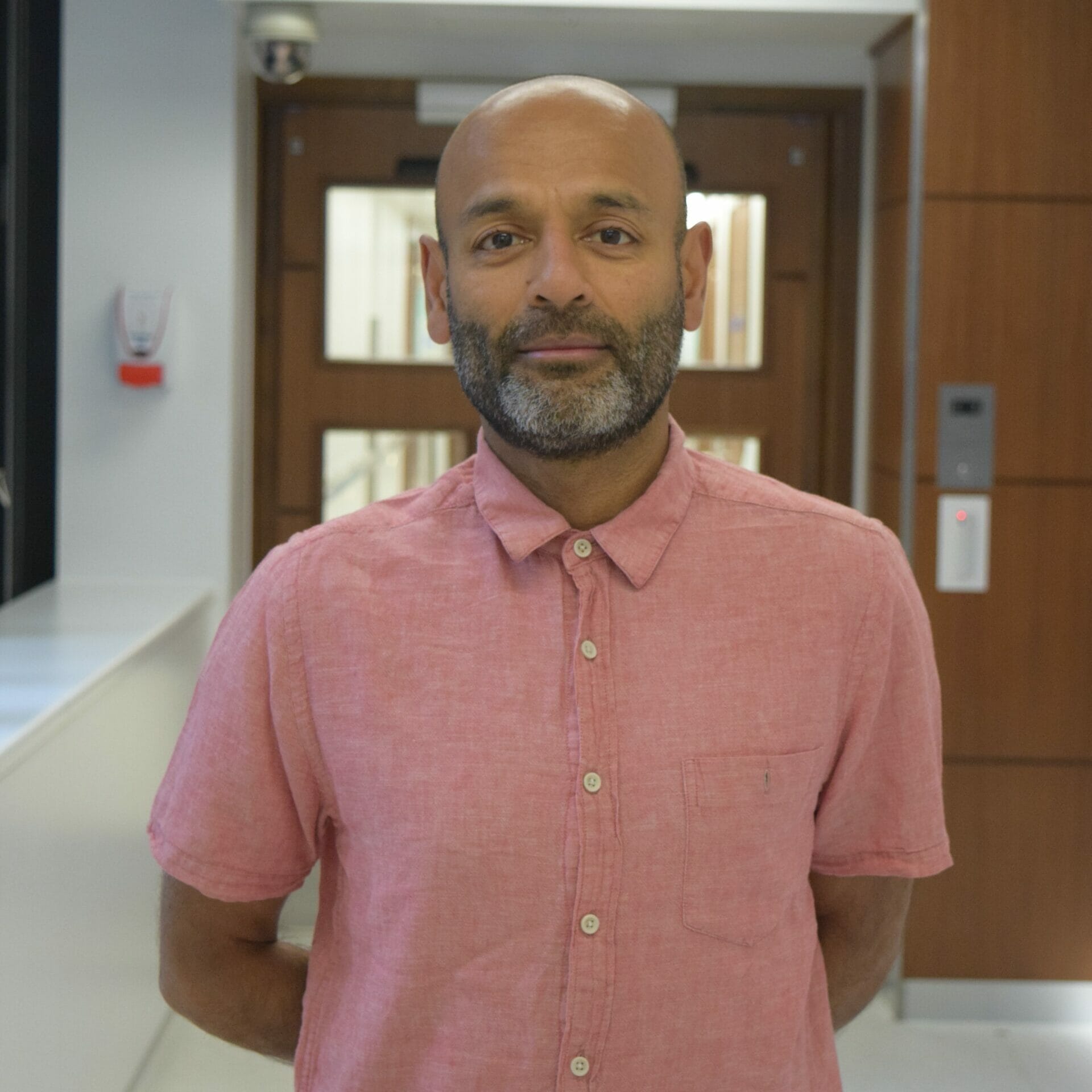
Dr Rakesh Amin
Clinical lead for endocrinology and diabetes at Great Ormond Street Hospital. His clinical practice encompasses all areas of paediatric and adolescent endocrinology and diabetes.
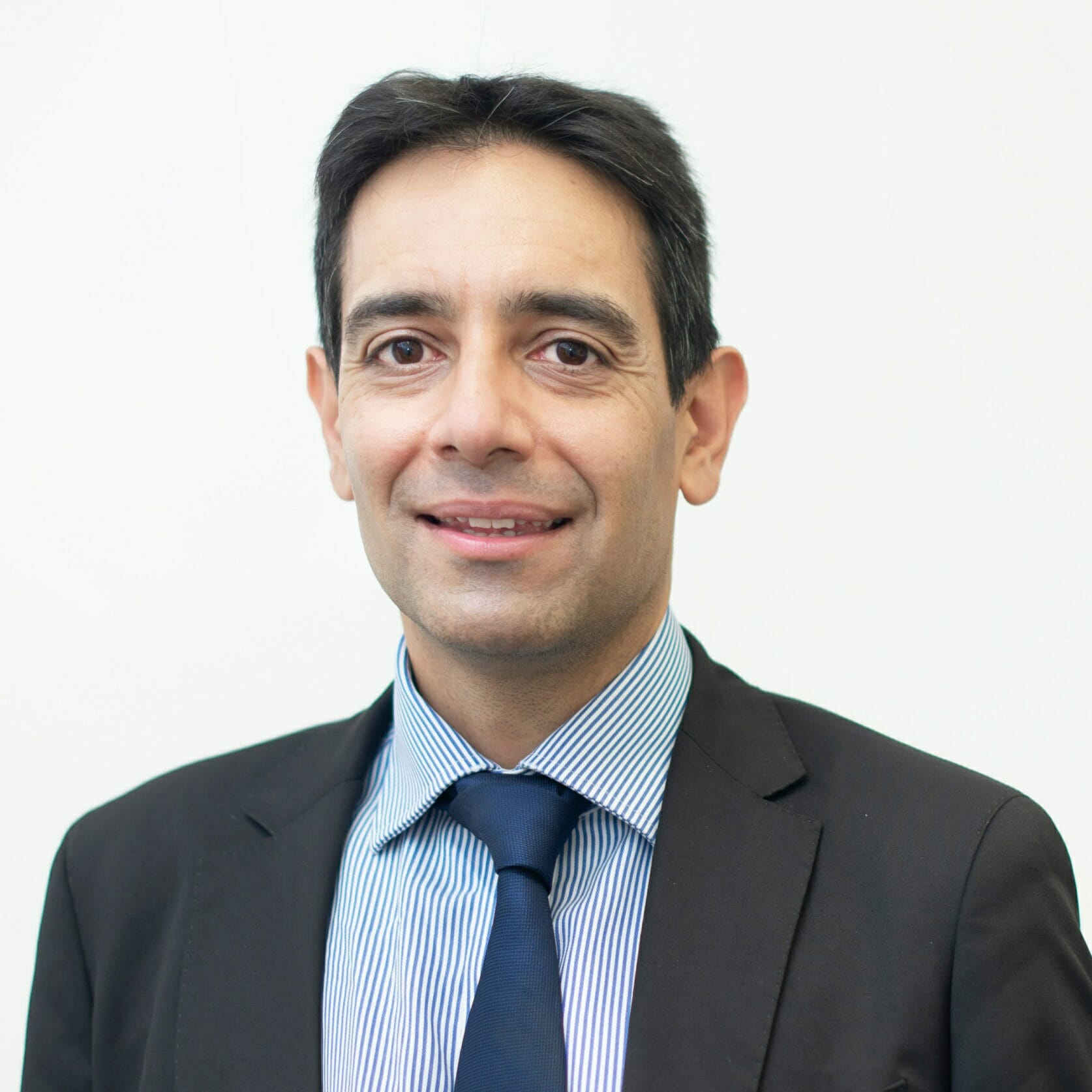
Dr Harvinder Chahal
With a focus on adults, Dr Chahal is a consultant in endocrinology, diabetes, bariatric medicine, and general internal medicine at Imperial College Trust.
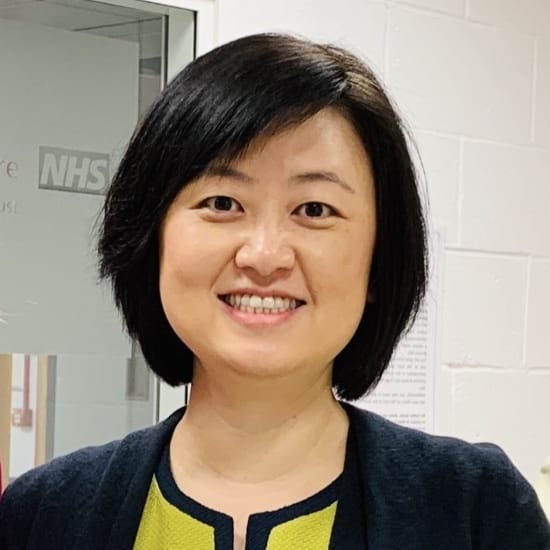
Dr Mimi Z. Chen
Specialist consultant in diabetes and endocrinology with a particular interest in weight loss and weight management medications.
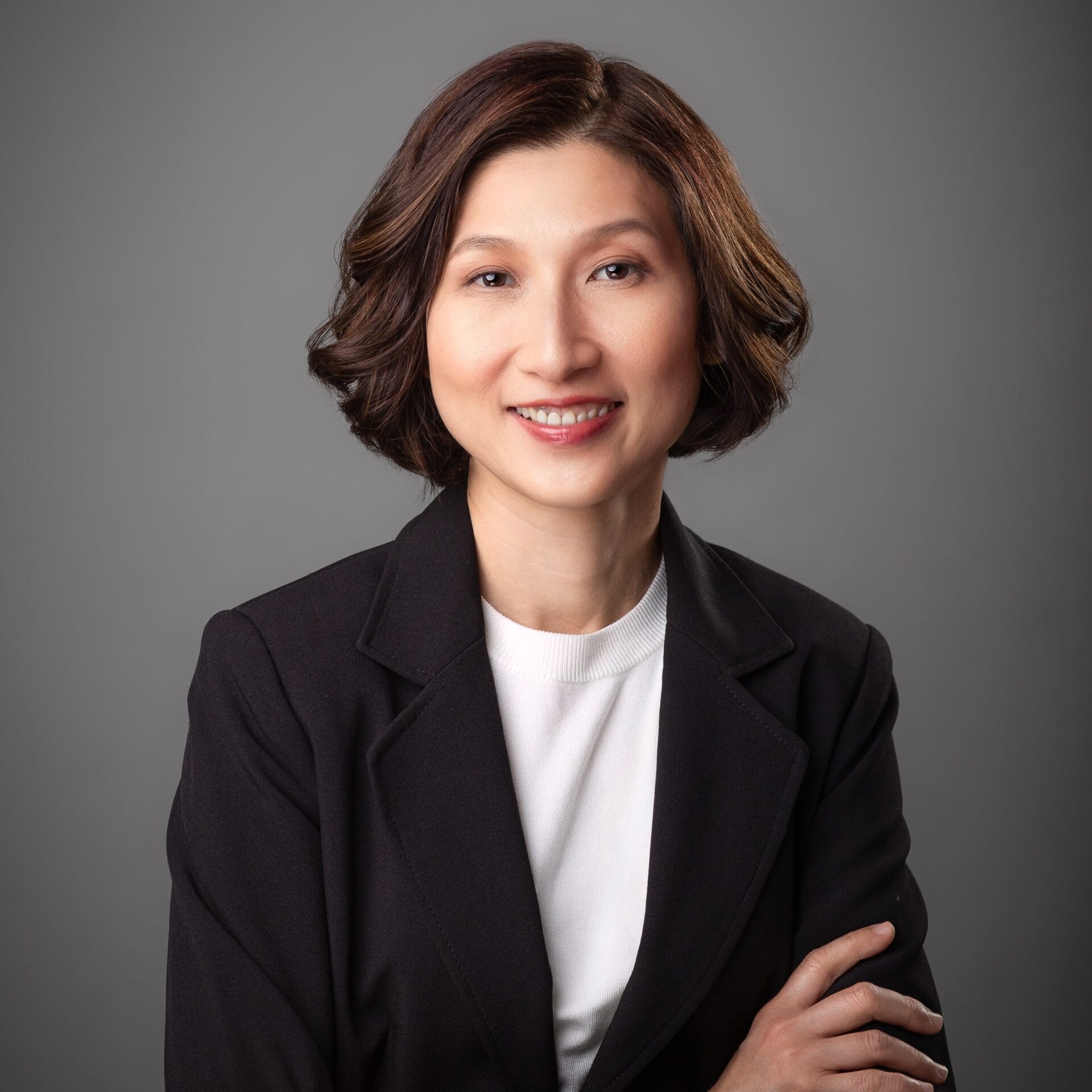
Dr Ling Ling Chuah
Consultant endocrinologist with over a decade’s experience in the treatment of diabetes.
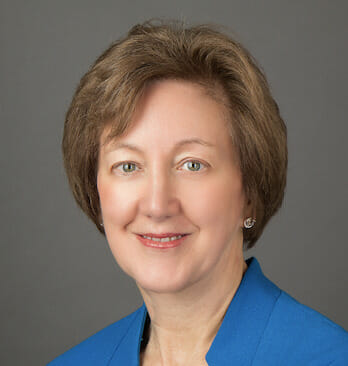
Professor Melanie Davies
Ms Melanie Davies is a consultant obstetrician and gynaecologist and accredited subspecialist in reproductive medicine, treating ages of 14 and upwards.
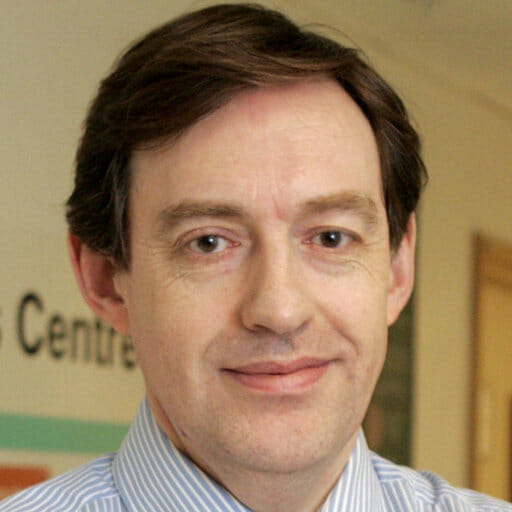
Dr David Hopkins
Consultant physician and diabetologist with a particular clinical interests in insulin pump therapy and management of advanced diabetes complications.
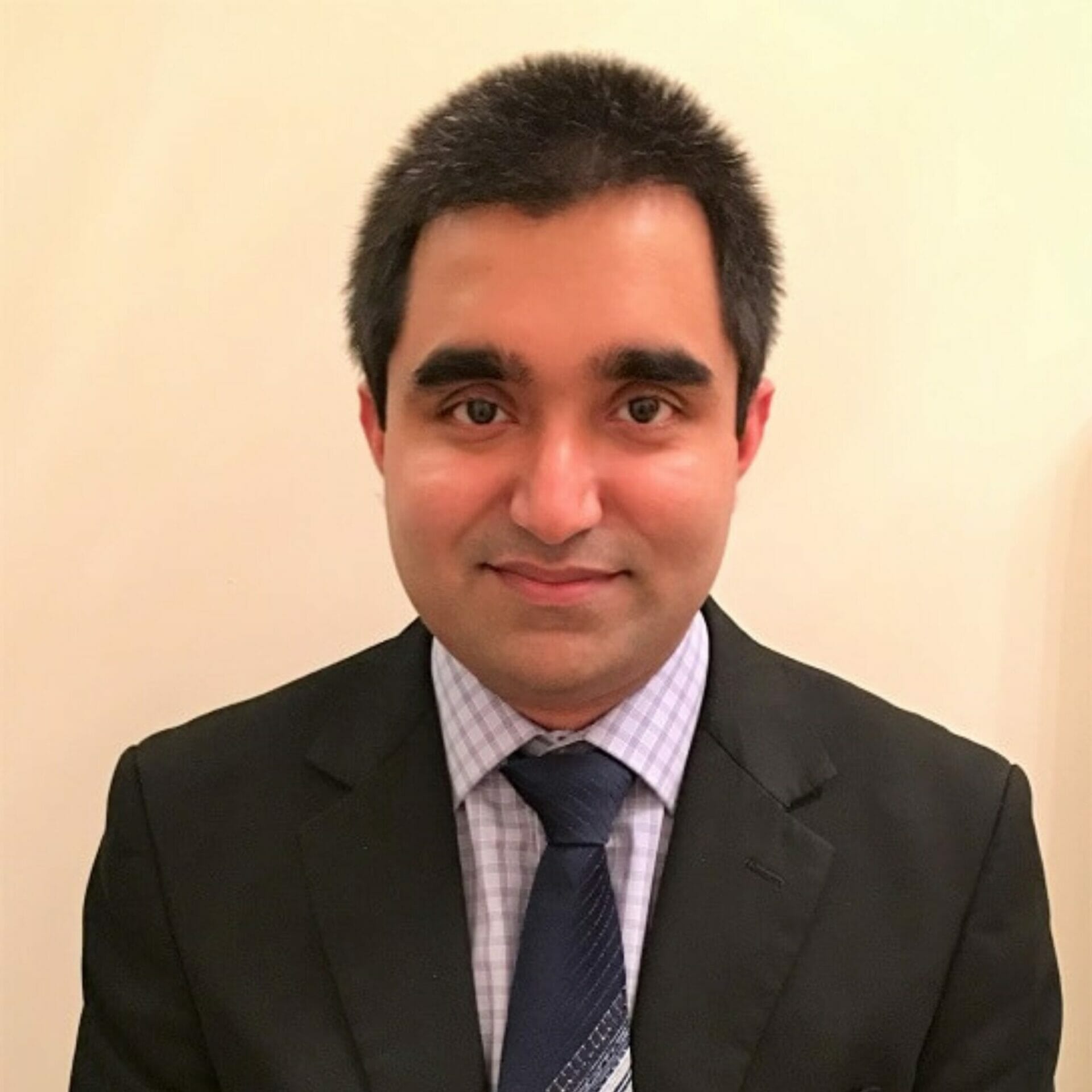
Mr Vikram Talaulikar
Associate specialist at UCL with clinical interests that include reproductive endocrinology, PMOS, fertility, recurrent miscarriage, premature menopause.
Learn more about neuroendocrine tumours
Our world-leading experts in neuroendocrine tumours
provide insight on the understanding and treatment of neuroendocrine tumours. .

How to know if your child’s growth is normal
Why see an endocrinologist?

Speak to a member of our team
Get in touch
If you have any questions or want to book an appointment, please speak to our team on +44 (0)800 0483 330.
Or, make an enquiry online using this form and one of our team will be in touch. Please note, all the information collected is required as part of our registration process. By using this form you agree with the storage and handling of your data by our team. You don't need a referral from your GP to make an appointment with us.
Contact us
Our team can also be contacted on +44 (0)800 0483 330.
Please note, all the information collected is required as part of our registration process. By using this form, you agree with the storage and handling of your data by our team.