
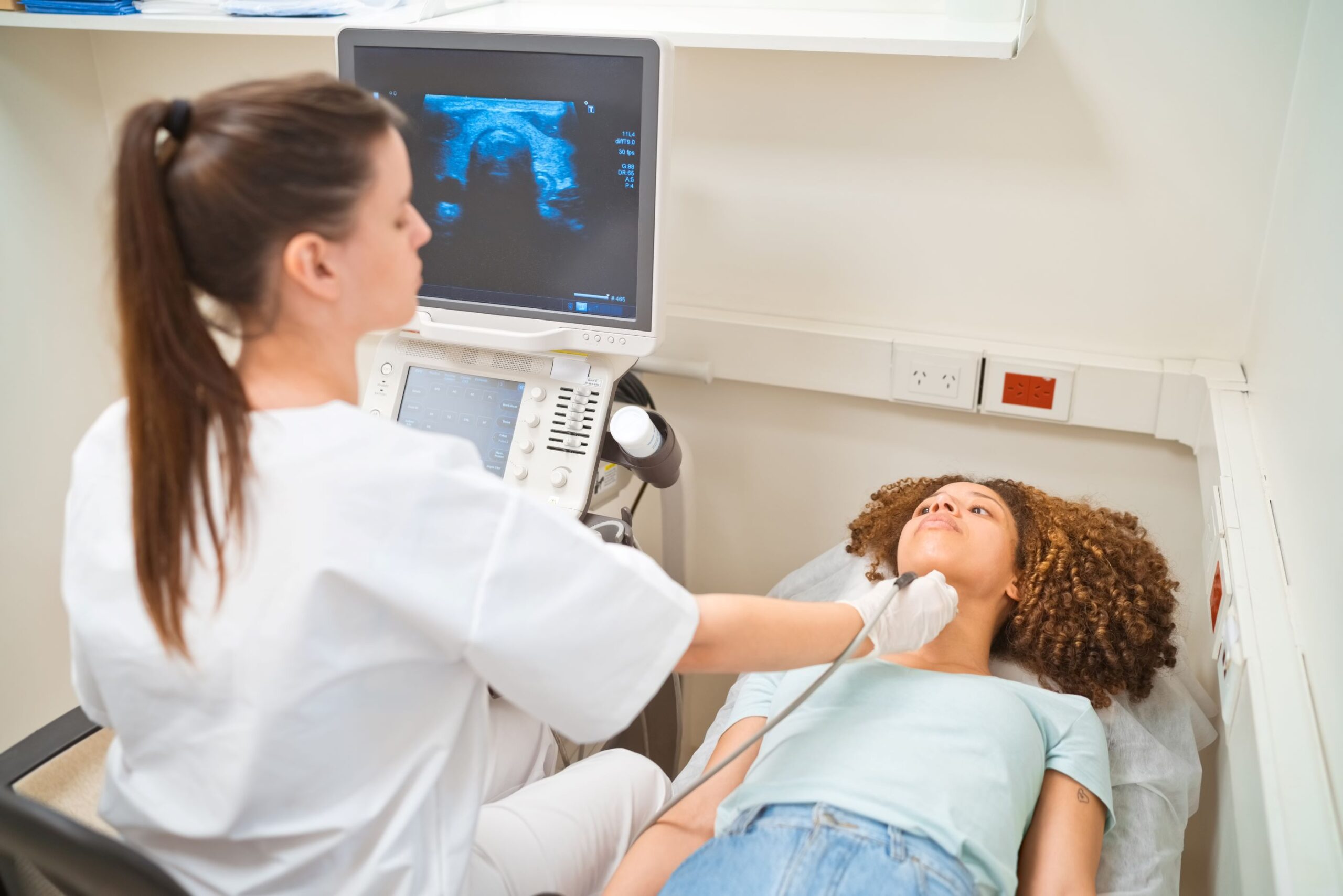
You probably know that calcium is crucial for healthy bones, but it does much more than just protect your bones. Calcium can also be found in every cell of the body, so having too much or too little calcium can significantly impact your physical health as well as your emotions and cognitive function. The body’s calcium levels are regulated by parathyroid hormone and Vitamin D. If you have high calcium levels in the blood because of a parathyroid imbalance, you might develop symptoms of fatigue, joint pain, depression, excessive thirst and excessive urination. Because these symptoms often develop gradually, many people with a parathyroid disorder accept feeling ‘not quite right’ and might go a long time before seeking help.
You have four small, pea-sized glands at each pole of the thyroid gland called the parathyroid glands. They are entirely separate and unrelated to the thyroid gland. Your parathyroid glands secrete parathyroid hormone (PTH), which is responsible for keeping blood calcium levels in a set range. They also secrete the hormone calcitonin, which regulates calcium levels by blocking the release of bone calcium and increasing the loss of calcium in the urine.
Most of the body’s calcium is stored in our skeleton, and every day we also acquire calcium from our diet and lose some in our urine. Parathyroid hormone regulates our calcium levels in three interconnected systems:
- It stimulates our bones to release calcium into the blood.
- It aids our intestines in the absorption of calcium from food.
- It controls the loss of calcium through urine in our kidneys.
Problems can arise if your parathyroid glands become overactive and produce too much parathyroid hormone (hyperparathyroidism) or if they do not produce enough (hypoparathyroidism).
Hyperparathyroidism is the overproduction of parathyroid hormone, which results in high serum calcium levels. It can happen as a result of one or more of your parathyroid glands becoming enlarged or due to the formation of a small benign tumour called a parathyroid adenoma.
Although hyperparathyroidism becomes more common with older age, this condition frequently goes undiagnosed. If untreated, high serum calcium levels can cause long-term complications, including osteoporosis, cardiovascular disease and depression. If your calcium levels are very high, treatment becomes urgent because too much calcium can cause abnormalities in heart rhythms and muscle function.
Hypoparathyroidism is the underproduction of parathyroid hormone, which results in low calcium levels in the blood. It is a rare condition that is easily treated with vitamin D supplements.
Endocrinologists have a higher level of experience and ongoing training that cannot be matched by a general practitioner. Parathyroid disorders should be treated by a consultant endocrinologist who will ensure that you have access to the latest cutting-edge diagnostic investigations and treatments.
Book a consultation with one of our expert endocrinologists today.
- Hyperparathyroidism – This condition is when one or more of your parathyroid glands produces too much parathyroid hormone.
- Hypercalcemia – One of the symptoms of hyperparathyroidism, hypercalcaemia is the presence of abnormally high calcium in the blood.
- Hypoparathyroidism – Also called hypopara, this rare condition is when your parathyroid glands do not produce enough parathyroid hormone.
- Parathyroid adenoma – This is a small, benign tumour on the parathyroid gland that causes an overproduction of parathyroid hormone. It is easily removed by a specialist endocrine surgeon.
- Osteoporosis – This disease is characterised by decreased bone mass, making your bones more susceptible to fractures. If you have hyperparathyroidism, you are at a higher risk of developing osteoporosis.
Our approach to treating parathyroid disorders
Medicine is changing fast, and we believe that our patients should be a part of this, not simply another number in a resource-restricted guideline. When you book a consultation at London Medical, you will see a consultant endocrinologist who thinks outside the box and puts your individual health interests first. Our consultant endocrinologists are at the cutting-edge of their field and aware of the latest advances in diagnosis and treatment.
At London Medical, your appointment will be booked quickly – typically within a week. Your experience will be uniquely personal to you. Your consultant will provide you with an individual treatment plan that they will take the time to explain to you. Most importantly, they will look at your total health and the effects of any interrelated conditions and treatments on your overall well-being. At London Medical, we have the top experts working together for your total care – all under one roof.
If you have a parathyroid disorder, you might not have any symptoms or symptoms that are vague and non-specific. Problems with calcium levels in the blood are often detected during routine blood tests. If your consultant suspects you have a parathyroid disorder, they might suggest one or more of the following investigations:
- Urine tests to exclude hypercalcaemic hypocalciuria, a benign genetic condition
- Comprehensive blood tests to check Vitamin D and parathyroid hormone levels
- Thyroid function tests
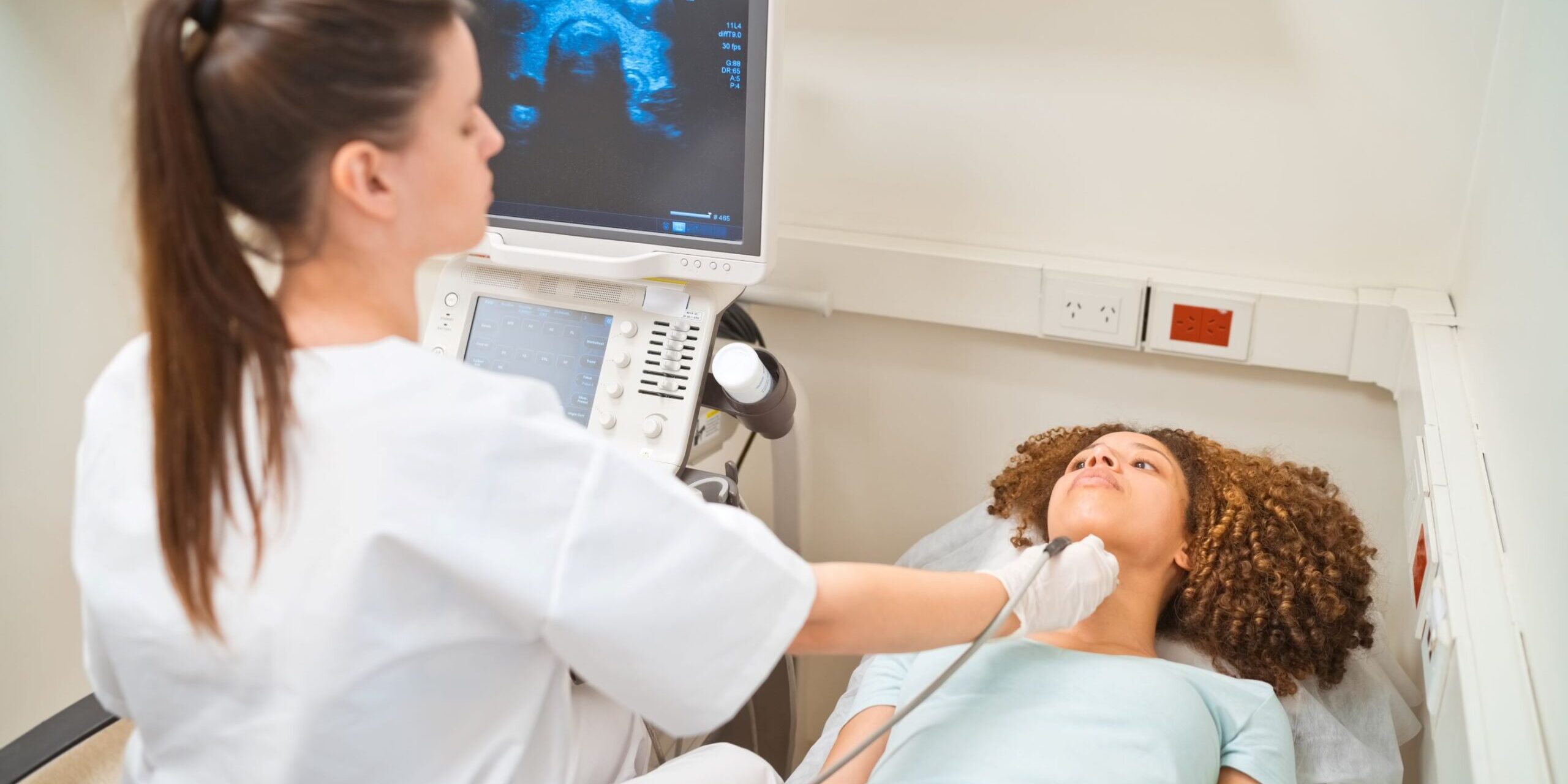
- Imaging scans of the parathyroid glands, including sestamibi scans, CT scans, X-rays or ultrasounds
Depending on your blood test results, your consultant might also suggest some related tests, including:
- A DEXA scan to exclude osteoporosis
- Kidney blood function tests
- Kidney scans for kidney stones
- Genetic tests to exclude multiple endocrine neoplasia syndromes
You may or may not need treatment depending on your blood calcium levels. Mild cases of hyperparathyroidism might only require monitoring.
Your consultant might suggest one or more of the following treatment options for raised calcium levels:
- Medications to control your serum calcium levels
- Surgery to remove one or more of the parathyroid glands causing the overproduction of PHT
- Bisphosphonates to protect against osteoporosis
For hypoparathyroidism, treatment is usually calcium and Vitamin D supplements.
Long-term, you should be monitored for bone health, kidney stones and kidney function.
Meet our experts in parathyroid disorders
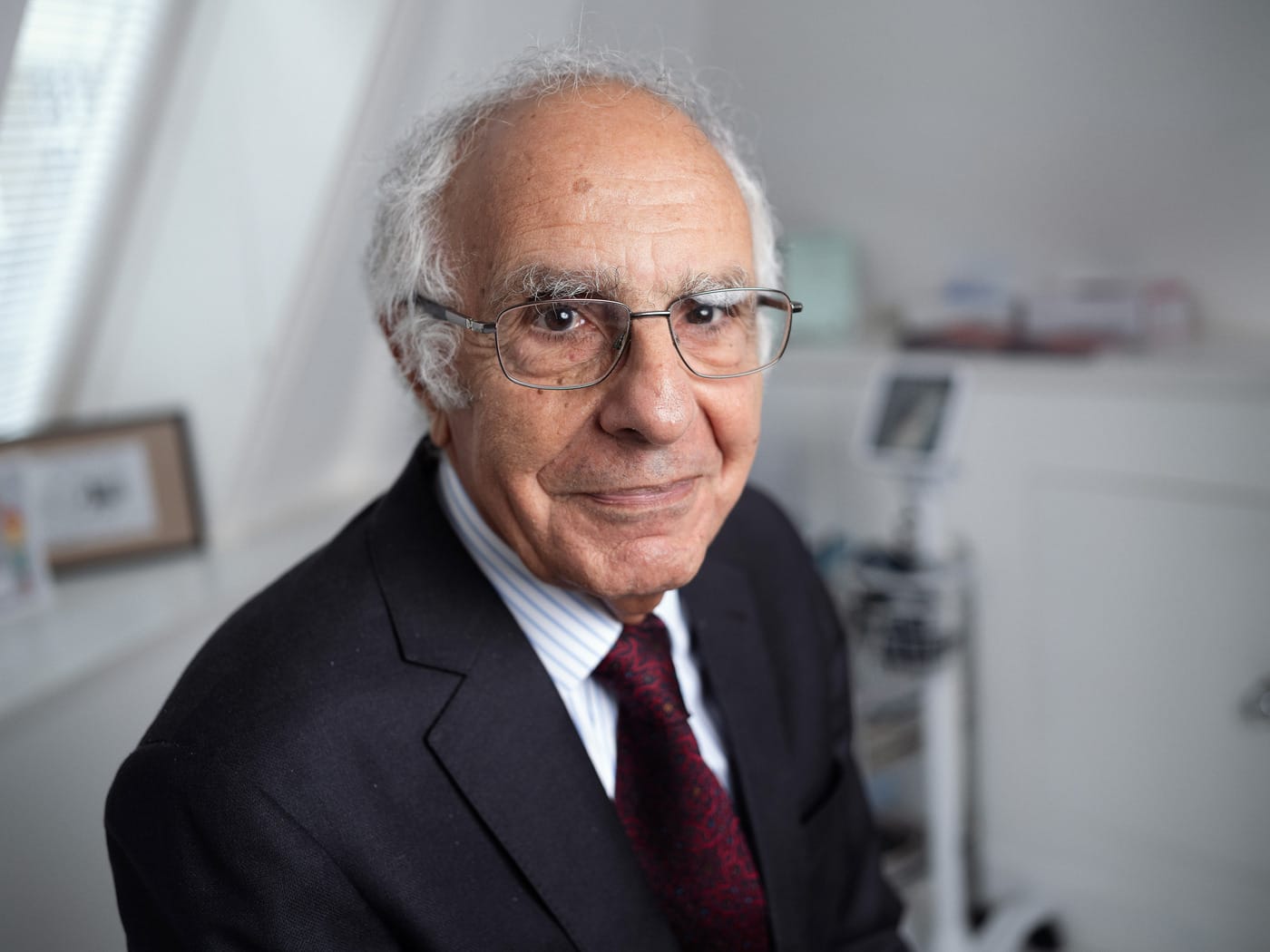
Dr Ralph Abraham
Dr Ralph Abraham, a founder of London Medical, specialises in diabetes, weight management, endocrinology and cholesterol.
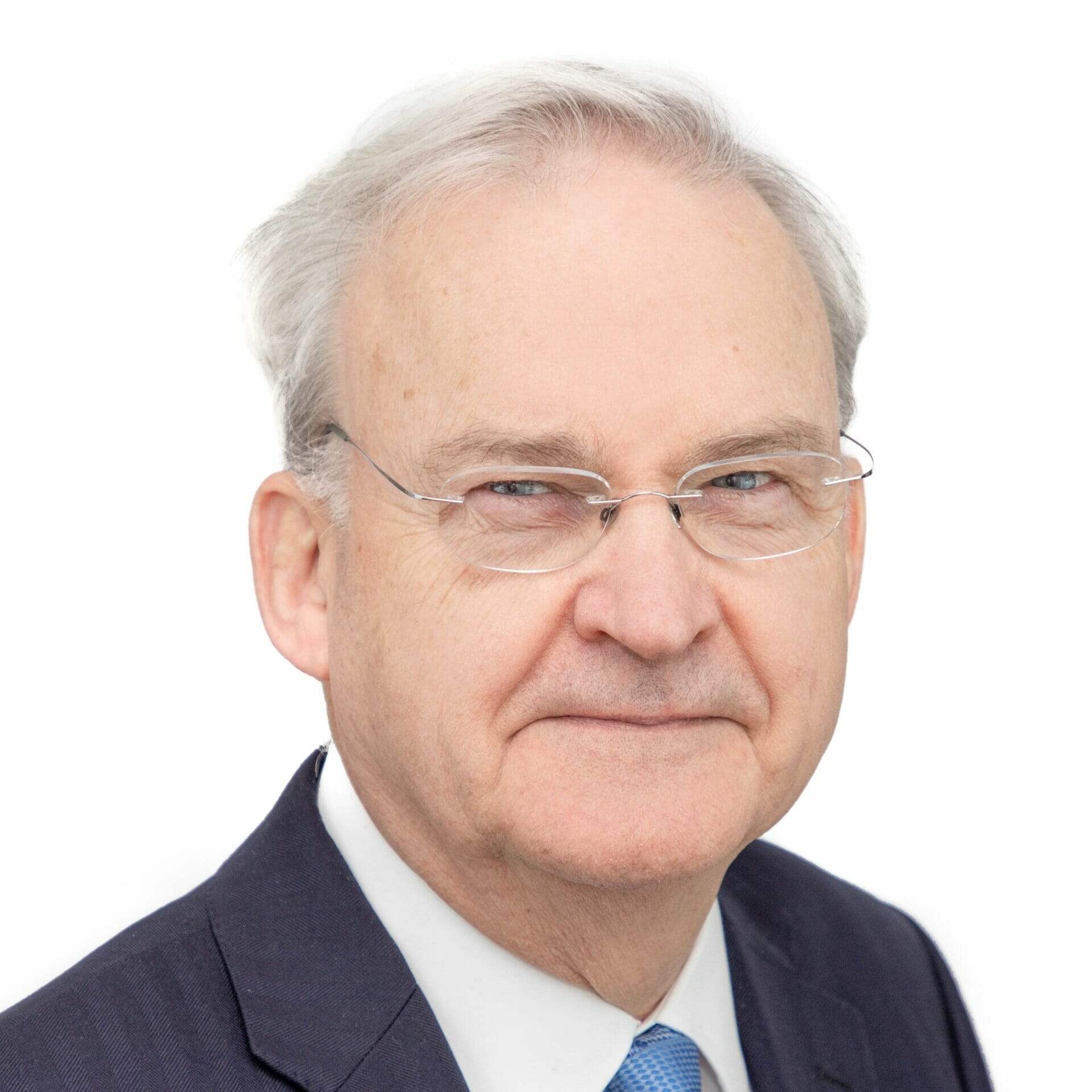
Dr Malcolm Prentice
Consultant in endocrinology, diabetes and general medicine with a special interest in thyroid diseases.

Dr Helen Spoudeas
A paediatric endocrinologist, specialising in paediatric neuroendocrinology and sees all patients with growth and puberty disorders.
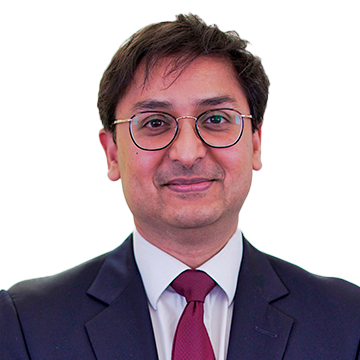
Dr Bobby Huda
Specialist in endocrinology and diabetes who currently practices at several locations around London, including Barts Health NHS Trust.
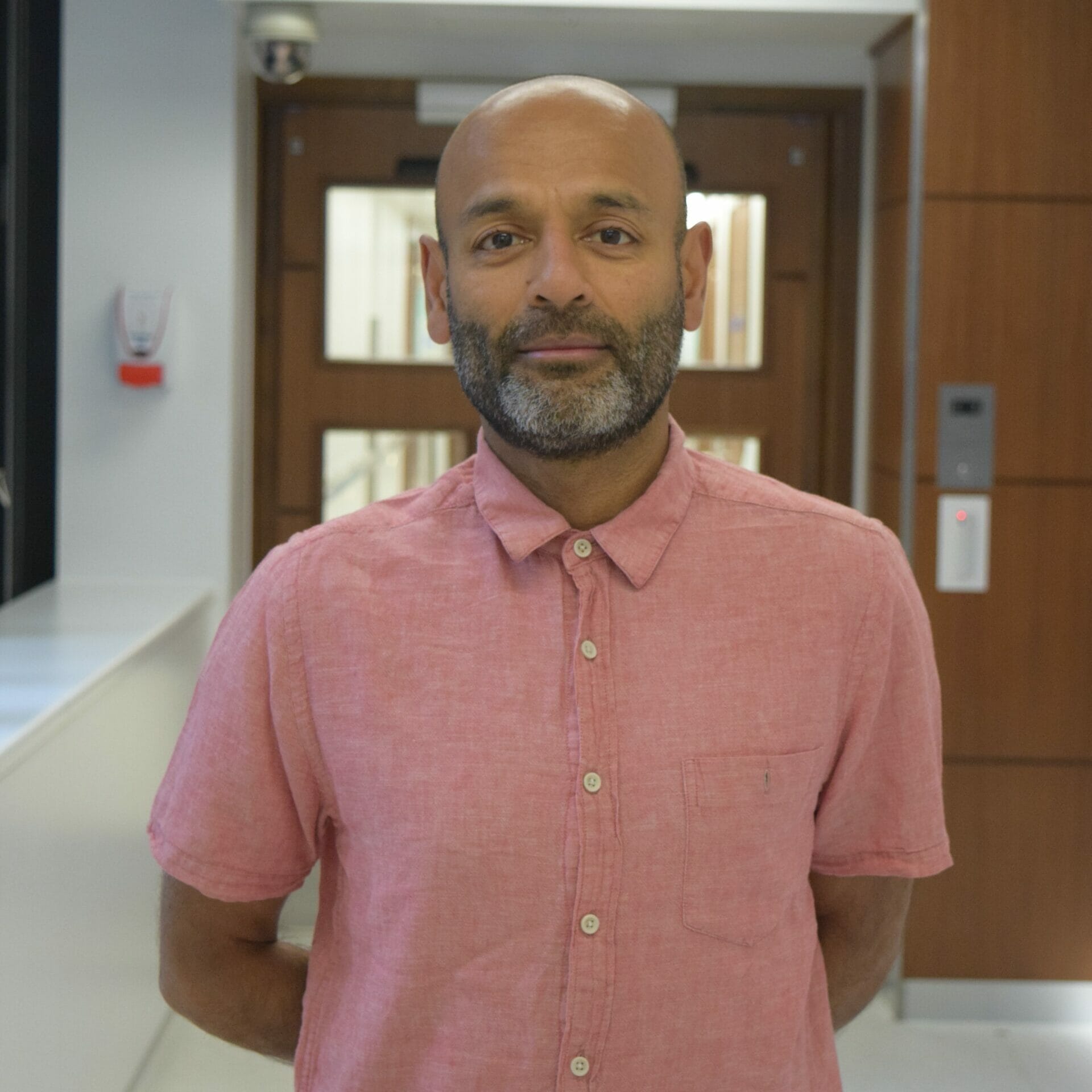
Dr Rakesh Amin
Clinical lead for endocrinology and diabetes at Great Ormond Street Hospital. His clinical practice encompasses all areas of paediatric and adolescent endocrinology and diabetes.

Dr Harvinder Chahal
With a focus on adults, Dr Chahal is a consultant in endocrinology, diabetes, bariatric medicine, and general internal medicine at Imperial College Trust.
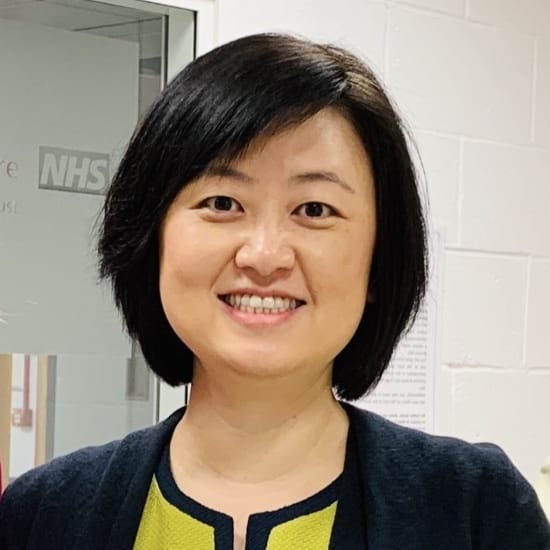
Dr Mimi Z. Chen
Specialist consultant in diabetes and endocrinology with a particular interest in weight loss and weight management medications.

Dr Ling Ling Chuah
Consultant endocrinologist with over a decade’s experience in the treatment of diabetes.

Professor Melanie Davies
Ms Melanie Davies is a consultant obstetrician and gynaecologist and accredited subspecialist in reproductive medicine, treating ages of 14 and upwards.
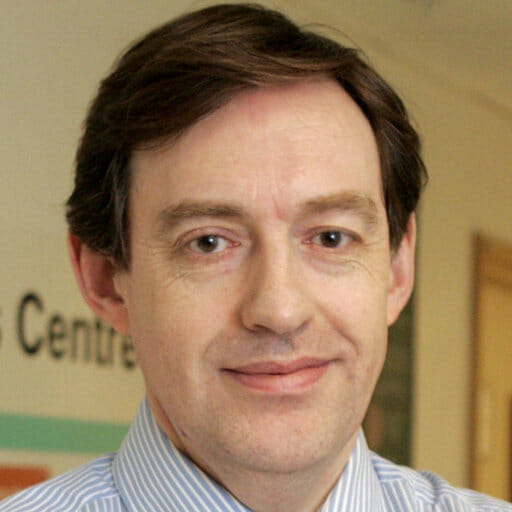
Dr David Hopkins
Consultant physician and diabetologist with a particular clinical interests in insulin pump therapy and management of advanced diabetes complications.
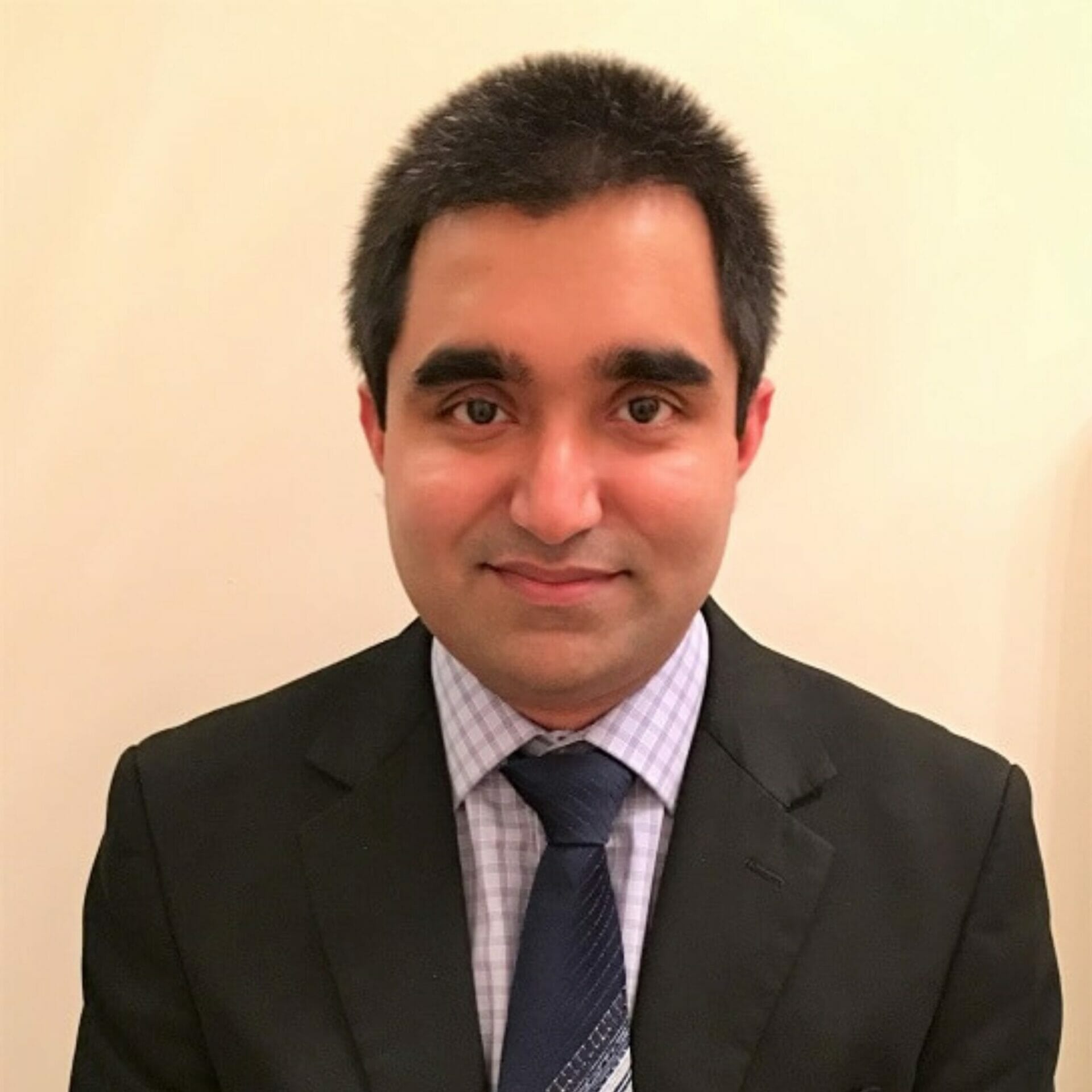
Mr Vikram Talaulikar
Associate specialist at UCL with clinical interests that include reproductive endocrinology, PMOS, fertility, recurrent miscarriage, premature menopause.
Learn more about parathyroid disorders
Our world-leading endocrinologists provide expert insight on the understanding and treatment of parathyroid disorders . .

How to know if your child’s growth is normal
Why see an endocrinologist?

Speak to a member of our team

Get in touch
If you have any questions or want to book an appointment, please speak to our team on +44 (0)800 0483 330.
Or, make an enquiry online using this form and one of our team will be in touch. Please note, all the information collected is required as part of our registration process. By using this form you agree with the storage and handling of your data by our team. You don't need a referral from your GP to make an appointment with us.
Contact us
Our team can also be contacted on +44 (0)800 0483 330.
Please note, all the information collected is required as part of our registration process. By using this form, you agree with the storage and handling of your data by our team.