
The pituitary gland is often called the ‘conductor of the endocrine orchestra.’ It produces hormones that stimulate and activate other endocrine glands, including the adrenal glands, the thyroid, the testes and the ovaries. Each of these glands has many complex interactions. When your pituitary gland is damaged or doesn’t function properly, it can cause severe repercussions to many vital functions, including metabolic rate, childhood growth and development, stress response, reproductive functioning and breastfeeding. Most pituitary disorders result from an enlargement of the pituitary gland caused by benign tumours. These tumours can disrupt your hormonal balance by causing too much or too little of a particular hormone to be produced and have damaging effects on your vision. If you have a pituitary disorder, you’ll need urgent and skilled care from a specialist endocrinologist.
The pituitary gland sits right in the middle of your head below the brain. It hangs from a stalk like a cherry, just behind the nasal passages.
The pituitary gland is responsible for ‘orchestrating’ the following hormones and their functions:
-
- Cortisol is secreted by the adrenal glands to regulate your body’s response to stress and respond to infection.
- Thyroid hormones are produced in the thyroid gland and control your body’s metabolic rate.
- Prolactin is the hormone responsible for breast milk production, and too much of it can impair fertility.
- Testosterone, produced in the testes, is needed for sperm production in men.
- Oestrogen is produced in the ovaries and affects ovulation in women, among many other essential functions, including maintaining bone health.
- Growth hormone (GH) controls growth and development in children.
- Vasopressin (also called the antidiuretic hormone) helps your kidneys manage the amount of water in your body.
Each of these hormones plays a complex and crucial role in the body’s proper functioning. It’s important to note that they are responsible for many other functions in addition to the ones listed above, so any imbalance of these hormones can cause wide-ranging health complications.
What are the signs and symptoms of a pituitary disorder?
Depending on the gland and hormones affected, pituitary disorders can cause a wide range of different signs and symptoms, including:
- fatigue
- vision problems
- headaches
- changes in blood pressure
- frequent urination/excessive thirst
- low sex drive
- delayed puberty
- weight changes
- abnormal growth
- irregular periods
- low fertility
- excessive sweating
- difficulty sleeping
- dizziness
- osteoporosis
- body temperature problems
- skin changes
What causes pituitary disorders?
The leading cause of pituitary disorders is small, benign tumours called adenomas. A functioning adenoma is a tumour that secretes one or more active hormones. However, the more common type of pituitary tumour is a non-functioning adenoma. It does not produce active hormones, but its large size pressing on the pituitary gland can cause headaches, vision problems and hormone deficiencies.
Because pituitary disorders are so rare, it can be difficult for a primary care doctor to recognise the signs and symptoms. If you see your GP about many of these symptoms, they will often investigate other, more common conditions first, leading to a delay in diagnosis that can understandably cause uncertainty and frustration.
Endocrinologists have a higher level of experience and ongoing training that cannot be matched by a general practitioner. Pituitary disorders should be treated by an endocrinologist who will ensure that you have access to the latest cutting-edge diagnostic investigations and treatments.
Book a consultation with one of our expert endocrinologists today.
- Prolactinoma – This is the most common form of pituitary tumour, which causes an overproduction of prolactin, the hormone responsible for breast milk production.
- Hypopituitarism – This rare disorder causes your pituitary to underproduce one or more hormones. When you experience a lack of one of these hormones, it can cause a number of endocrinological conditions, such as:
- Thyroid stimulating hormone (TSH) leads to hypothyroidism
- Growth hormone (GH) leads to short stature
- Cortisol can cause adrenal insufficiency
- Testosterone can cause loss of virility and infertility
- Oestrogen can cause an absence of periods and infertility.
- Cushing’s disease – When the body’s adrenal glands produce too much cortisol, it can cause many health complications, including high blood pressure, diabetes, depression and weakened bones.
- Acromegaly – This is a rare condition in which the body produces too much growth hormone, leading to an enlargement of the hands, feet and internal organs and a change in facial features. Long-term side complications of acromegaly can include type 2 diabetes, high blood pressure, arthritis and heart disease.
- Delayed puberty and growth disorders – The pituitary gland is responsible for the production of growth hormone and male and female sex hormones. When there is a problem with the production of these hormones in childhood, it can cause growth problems or delayed puberty.
- Pituitary diabetes insipidus – Not to be confused with diabetes mellitus, which involves high blood sugar levels, diabetes insipidus is a disorder in which the kidneys cannot balance fluids in the body. It is characterised by excessive thirst and excessive urination.
Our approach to pituitary disorders
Medicine is changing fast, and we believe that our patients should be a part of this, not simply another number in a resource-restricted guideline. When you book a consultation at London Medical, you will see an endocrinologist who thinks outside the box and puts your individual health interests first. Our highly experienced pituitary specialists are at the cutting-edge of their field and aware of the latest advances in diagnosis and treatment.
At London Medical, we ensure you will be able to get an appointment quickly – typically within a week. Your experience will be uniquely personal to you. Your consultant will provide you with an individual treatment plan, and they will take the time to explain it to you and answer any questions or concerns you might have. Most importantly, your consultant will look at your total health and the effects of any interrelated conditions and treatments on your overall well-being. At London Medical, we have the top experts working together for your total care – all under one roof.
Your consultant will listen to your symptoms and take your personal and family medical history before conducting a thorough examination. We can do most hormone blood tests in-house on the same day. When more complex or specialised texts are necessary, our expert nurses and lab technicians will ensure your blood tests are done safely, effectively and swiftly.
Your consultant might recommend the following investigations to diagnose a pituitary disorder:
- Blood tests to check all hormone levels
- Urine analysis
- Visual field tests to check that the eye nerves are not damaged
- Water deprivation test to check for diabetes insipidus
- Insulin stress test to check how your pituitary gland reacts to low blood sugar levels
- Synacthen stimulation test to see if the adrenal glands are producing enough cortisol
- Glucagon stimulation test to assess the release of growth hormone
- Releasing hormone tests to check if the pituitary gland is releasing enough hormones into the bloodstream
- MRI scans to check for pituitary adenomas
Because many of these tests involve fasting, water deprivation or otherwise stressful conditions for the body, we ensure that all testing is done carefully and safely by an experienced endocrine nurse.
At London Medical, you’ll have access to the latest cutting-edge treatments and medications. Your consultant will discuss all your possible treatment options as well the risks and benefits of each option. They might suggest one or more of the following treatments for pituitary disorders:
- Surgery to remove tumours
- Radiation therapy to shrink tumours or prevent them from growing
- Medications to reduce hormone production or to replace deficient hormones
If the pituitary is damaged, surgically removed or irradiated, it will not produce any or sufficient hormones, and replacement of key hormones is necessary for good health. Although this can be managed with careful treatment, pituitary disorders often require life-long monitoring of hormonal levels and the tumour itself. Coping with a pituitary condition can be challenging emotionally, so it can help to join a support group or get counselling from one of London Medical’s clinical psychologists.
Meet our experts in pituitary disorders
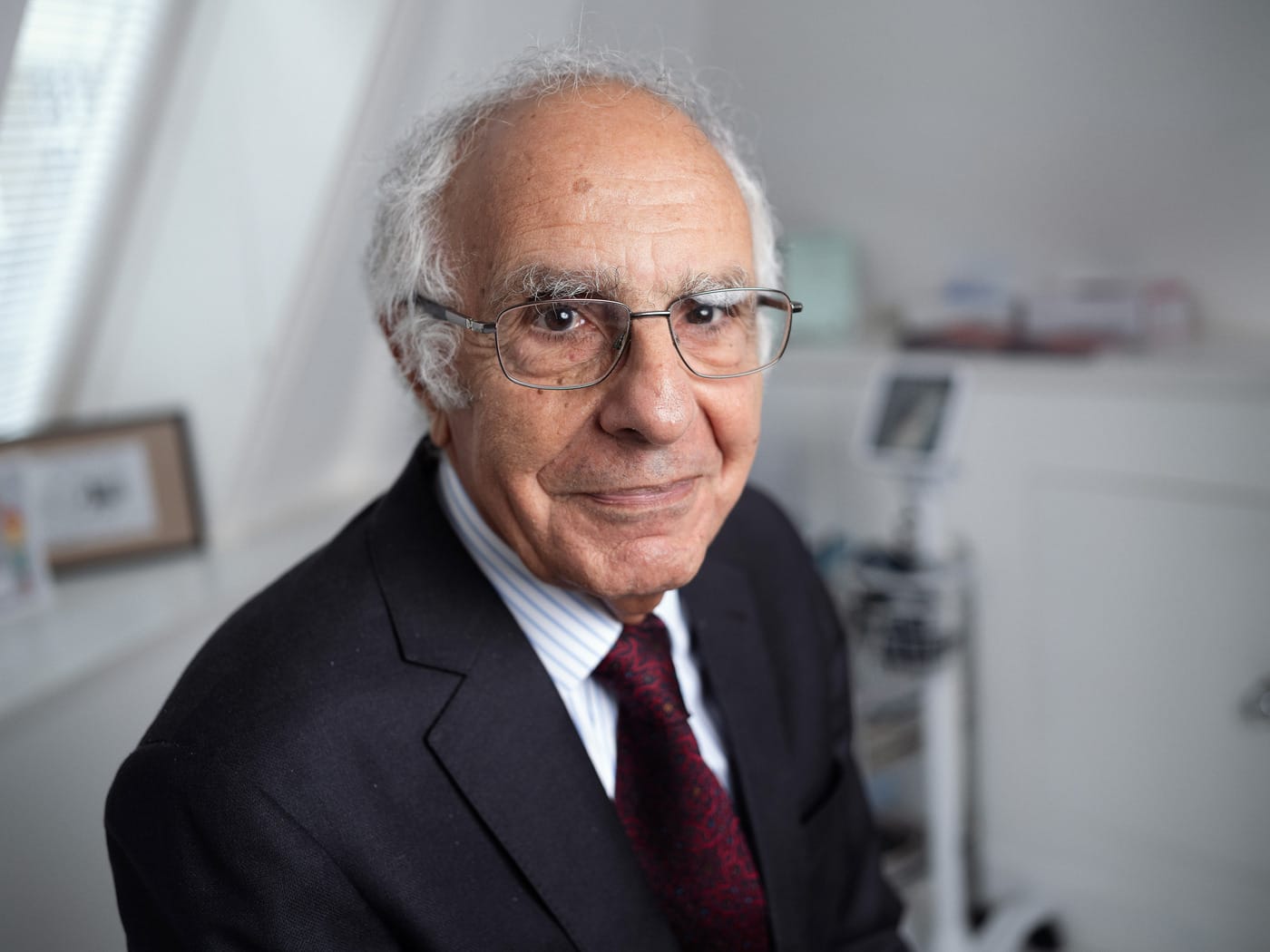
Dr Ralph Abraham
Dr Ralph Abraham, a founder of London Medical, specialises in diabetes, weight management, endocrinology and cholesterol.
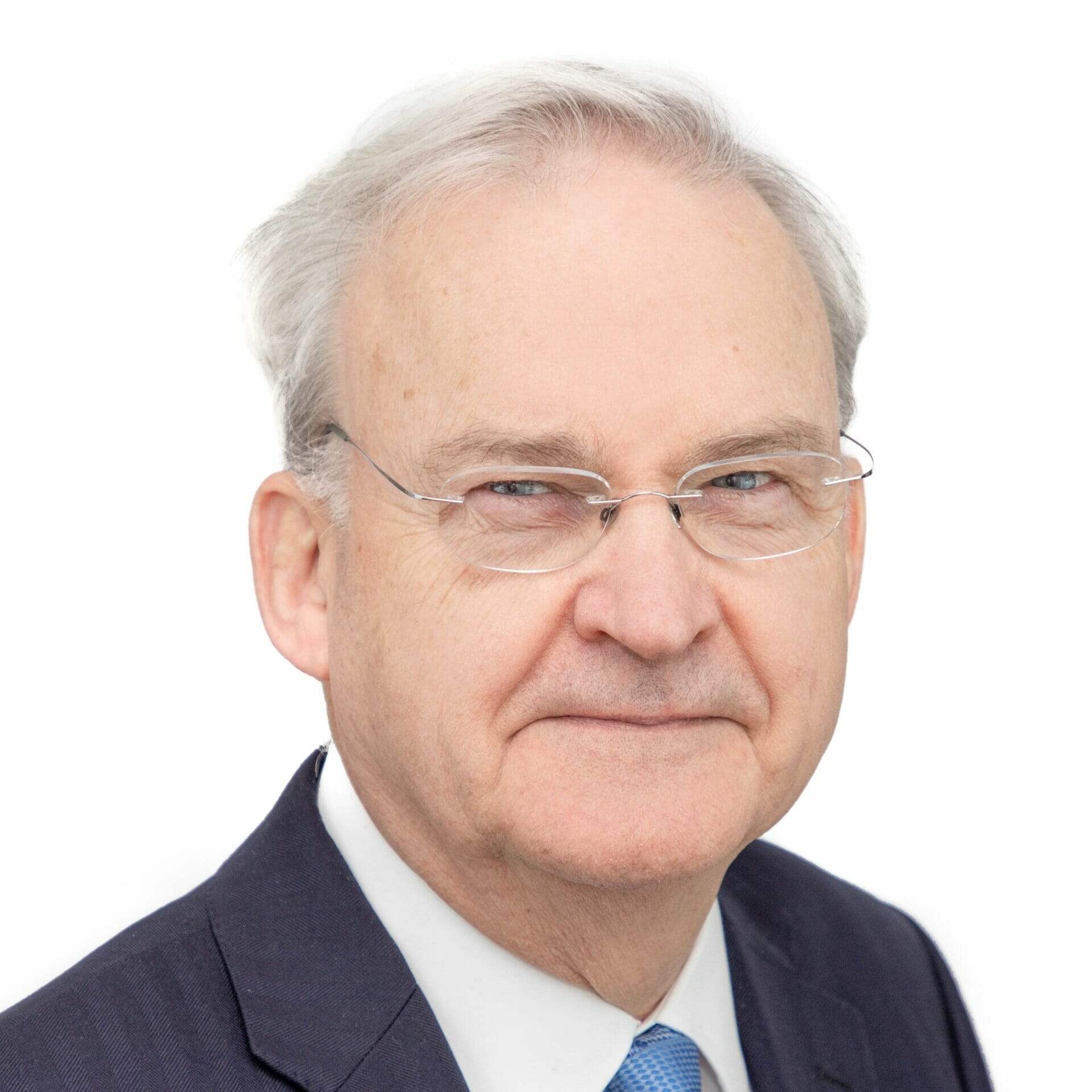
Dr Malcolm Prentice
Consultant in endocrinology, diabetes and general medicine with a special interest in thyroid diseases.

Dr Helen Spoudeas
A paediatric endocrinologist, specialising in paediatric neuroendocrinology and sees all patients with growth and puberty disorders.

Dr Bobby Huda
Specialist in endocrinology and diabetes who currently practices at several locations around London, including Barts Health NHS Trust.
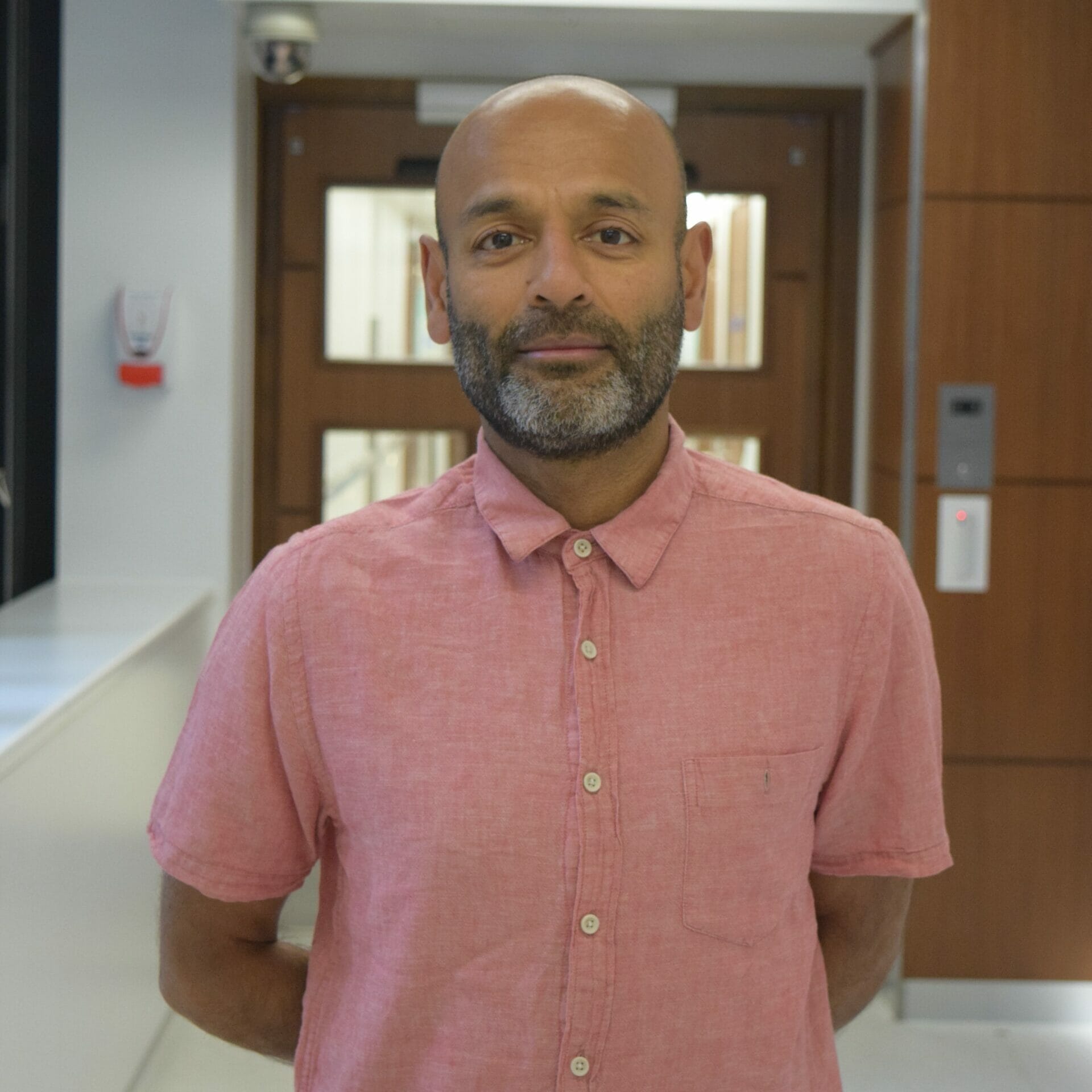
Dr Rakesh Amin
Clinical lead for endocrinology and diabetes at Great Ormond Street Hospital. His clinical practice encompasses all areas of paediatric and adolescent endocrinology and diabetes.

Dr Harvinder Chahal
With a focus on adults, Dr Chahal is a consultant in endocrinology, diabetes, bariatric medicine, and general internal medicine at Imperial College Trust.
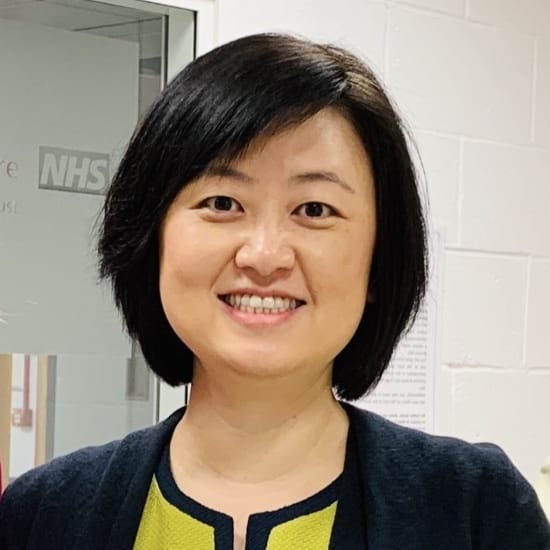
Dr Mimi Z. Chen
Specialist consultant in diabetes and endocrinology with a particular interest in weight loss and weight management medications.

Dr Ling Ling Chuah
Consultant endocrinologist with over a decade’s experience in the treatment of diabetes.

Professor Melanie Davies
Ms Melanie Davies is a consultant obstetrician and gynaecologist and accredited subspecialist in reproductive medicine, treating ages of 14 and upwards.
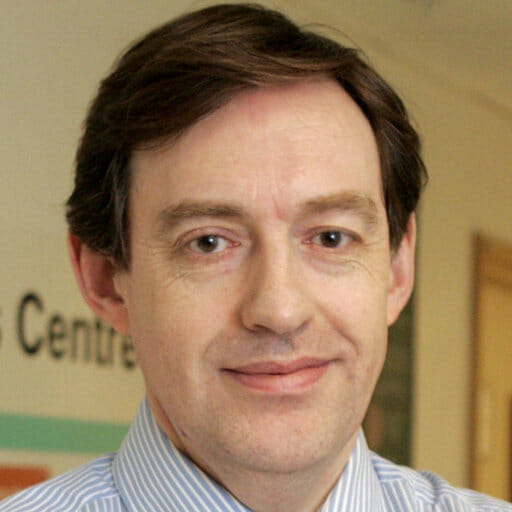
Dr David Hopkins
Consultant physician and diabetologist with a particular clinical interests in insulin pump therapy and management of advanced diabetes complications.
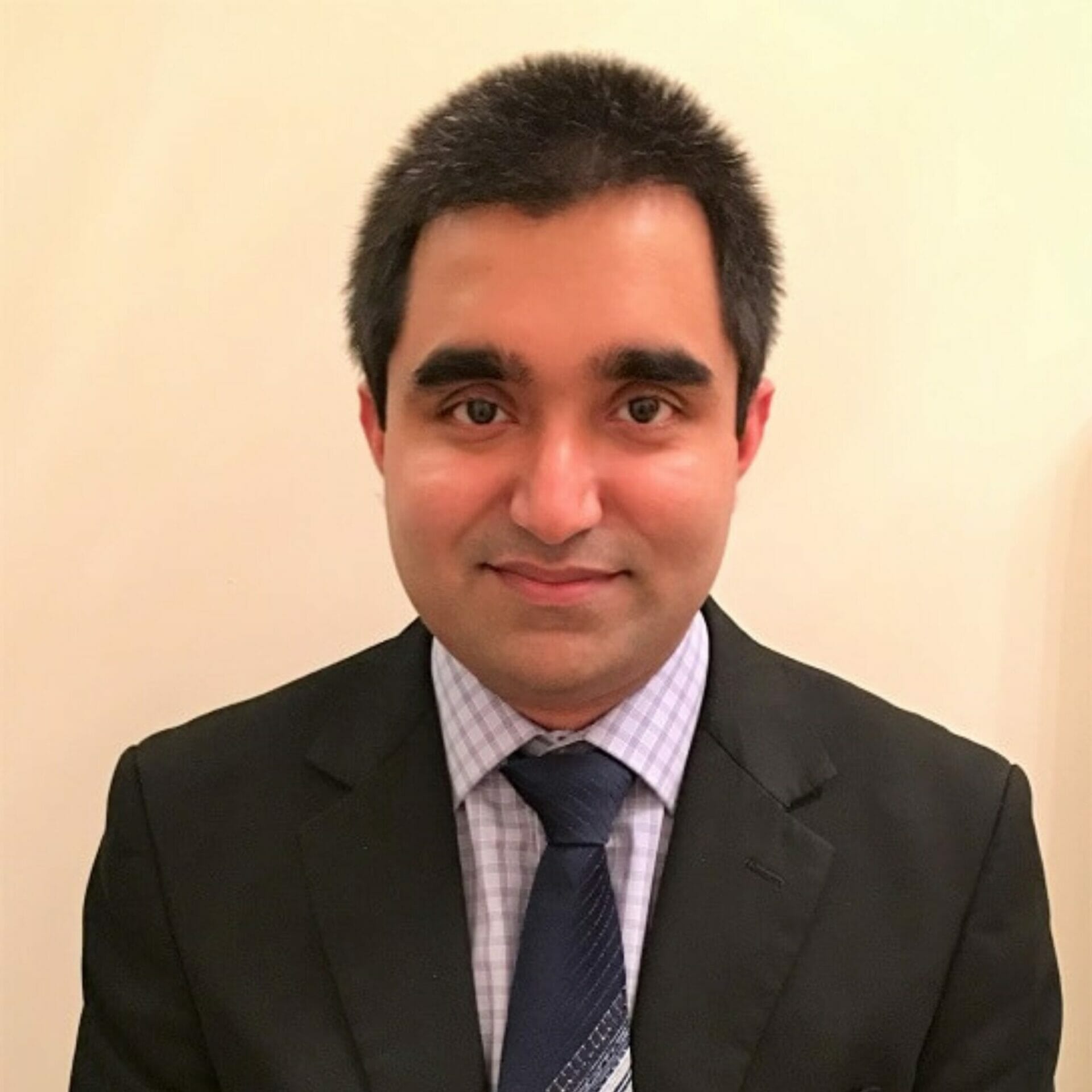
Mr Vikram Talaulikar
Associate specialist at UCL with clinical interests that include reproductive endocrinology, PMOS, fertility, recurrent miscarriage, premature menopause.
Learn more about pituitary disorders
Our world-leading endocrinologists provide expert insight on the understanding and treatment of pituitary disorders . .

How to know if your child’s growth is normal
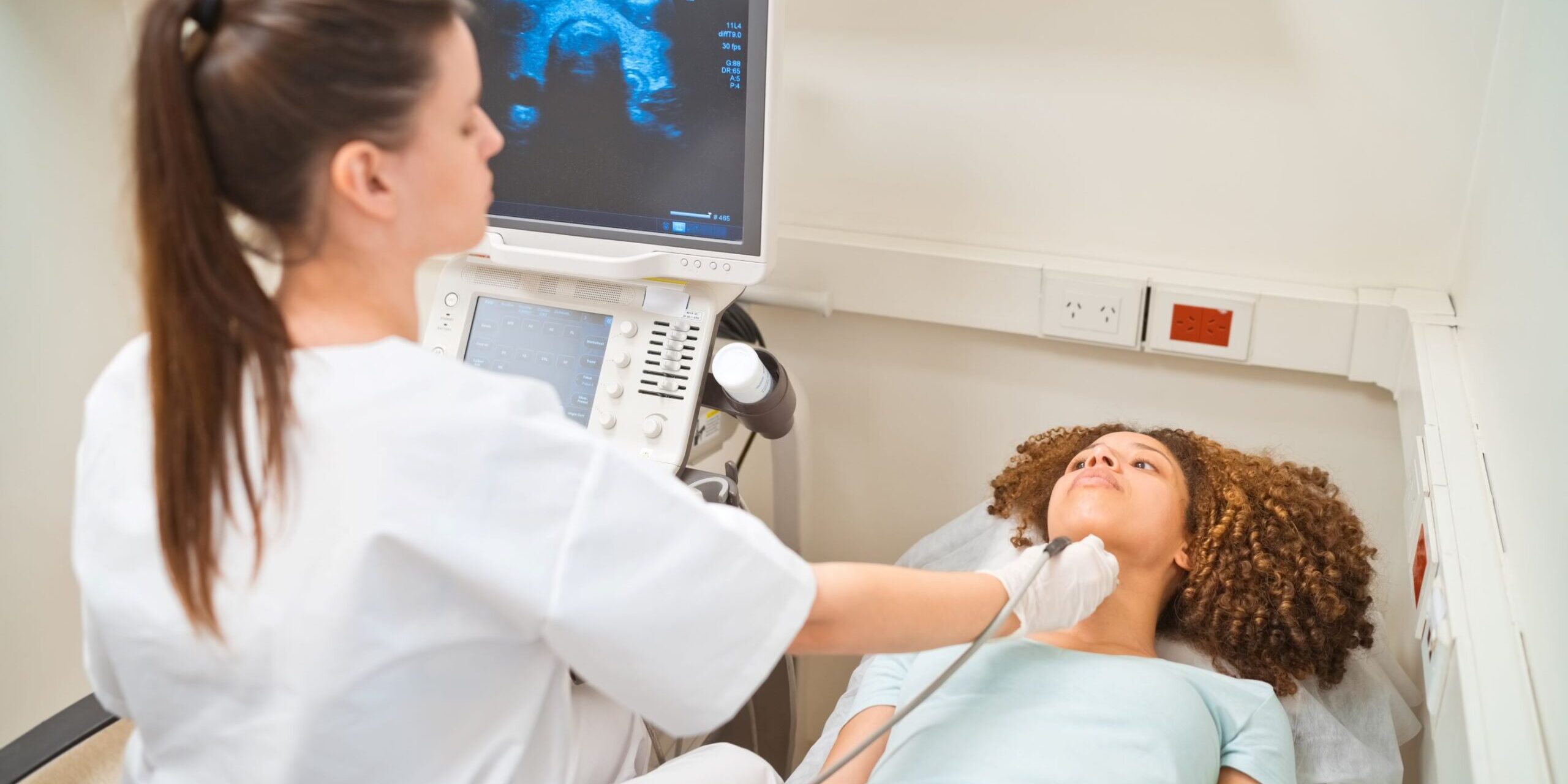
Why see an endocrinologist?

Speak to a member of our team

Get in touch
If you have any questions or want to book an appointment, please speak to our team on +44 (0)800 0483 330.
Or, make an enquiry online using this form and one of our team will be in touch. Please note, all the information collected is required as part of our registration process. By using this form you agree with the storage and handling of your data by our team. You don't need a referral from your GP to make an appointment with us.
Contact us
Our team can also be contacted on +44 (0)800 0483 330.
Please note, all the information collected is required as part of our registration process. By using this form, you agree with the storage and handling of your data by our team.