

Thyroid problems are very common, with about 1 in 20 people affected by a thyroid disorder in the UK. Anyone regardless of their age or sex can develop a problem with their thyroid, but women are more affected than men. Your thyroid plays an essential role in regulating your metabolic rate, which affects your heart rate, digestion, energy levels, body temperature and mood. Ensuring that you have the optimal balance of thyroid hormones can be tricky. Our highly experienced thyroid specialists will design a tailored thyroid treatment plan for you to ensure your optimal well-being and protect your long-term health.
The thyroid is a small butterfly-shaped gland in the front of the neck. The thyroid gland produces the hormones triiodothyronine (T3) and thyroxine (T4). They are necessary for all the cells in your body to function properly. Your thyroid hormones are responsible for regulating:
- metabolism
- growth in children
- weight
- energy levels
- body temperature
- heart rate
- blood pressure.
Thyroid problems can happen at any age, and they tend to run in families. The two most common thyroid problems are an underactive thyroid (hypothyroidism) and an overactive thyroid (hyperthyroidism).
What is hypothyroidism?
When your thyroid does not produce enough thyroid hormones as it should, it is called hypothyroidism.
Symptoms of hypothyroidism include:
- fatigue
- lack of energy
- weight gain
- increased sensitivity to the cold
- constipation
- dry skin
- hair loss
- low mood/depression
Women are more likely to develop hypothyroidism. Because symptoms can come on gradually, you might not realise you have a problem for some time. When left untreated, hypothyroidism can cause heart problems, thyroid goitres (swelling) and pregnancy complications.
What is hyperthyroidism?
When your thyroid is overactive, it is called hyperthyroidism. Although less common than hypothyroidism, it too affects more women than men.
Signs and symptoms of hyperthyroidism might include:
- unexplained weight loss
- rapid heart rate
- palpitations
- anxiety
- problems sleeping
- absent or infrequent periods
- eye irritations
- muscle weakness or tremors
- fatigue
- intolerance to heat
- low fertility
- recurrent miscarriages
The most common cause of hyperthyroidism is Graves’ disease, an autoimmune condition in which your body produces antibodies that attack the thyroid gland and cause it to become overactive.
What are other types of thyroid disorders?
Thyroid goitres are swellings in the neck due to an enlarged thyroid gland. Nodules are lumps in the thyroid gland. Although these are very common and usually not anything to worry about, you should book an investigation promptly. Thyroid cancer is rare and highly treatable, with 97% of cases going into remission.
If you feel unwell and have a history of thyroid problems in your family, it’s always a good idea to see a thyroid specialist for testing. We have many highly experienced thyroid specialists who can help you obtain the optimal thyroid balance to protect your overall health and well-being.
Our expert team of endocrinologists has extensive experience treating all thyroid disorders, including:
- Hypothyroidism
- Hyperthyroidism
- Goitre/multinodular goitre
- Thyroid nodules
- Thyroid cancer
Thyroid disorders and pregnancy
It is especially important for women who are pregnant or looking to conceive to keep their thyroid hormones in balance, as too little or too much thyroid hormone can make it more difficult to conceive and negatively affect the development of the foetus.
Our experts will carefully monitor and evaluate your thyroid function in the pre-conception stage and during your pregnancy. If you are pregnant or would like to become pregnant soon, we can help you:
- Treat any thyroid imbalance that may be a barrier to conception.
- Manage your thyroid levels during your pregnancy to ensure the health of you and your baby.
- Ensure that your thyroid medication levels are safe for you and your baby during your pregnancy and while breastfeeding.
Our approach to thyroid disorders
Medicine is changing fast, and we believe that our patients should be a part of this, not simply another number in a resource-restricted guideline. When you book a consultation at London Medical, you will see an endocrinologist who specialises in thyroid disorders and puts your individual health interests first. Our thyroid specialists are at the cutting-edge of their field and aware of the latest advances in diagnosis and treatment.
At London Medical, your consultant will look at your total health and the effects of your thyroid condition and treatments on your overall well-being. Since thyroid disease can have far-reaching impacts on your physical and psychological health, we might refer you for additional treatment in our clinic, such as:
- counselling with one of our clinical psychologists
- weight management
- lipid and cholesterol profiling
- heart health checkup plan
- osteoporosis screening
At London Medical, we have the top experts working together for your total care – all under one roof.
Because symptoms can develop gradually and may be non-specific, many people live with undiagnosed thyroid disorders for many years. When viewed in isolation, symptoms such as hot flushes, low mood, irritability, panic attacks or anxiety might be mistaken by a primary care physician for signs of menopause or as a result of stressful life events.
Our endocrinology consultants are experts in recognising the signs and symptoms of a thyroid disorder. They will listen to your symptoms and personal and family medical history before giving you a detailed examination. We can do a comprehensive thyroid hormone blood screening on the same day as your initial consultation. Once your results have been received, your consultant will take the time to review the findings with you and answer any questions you may have.
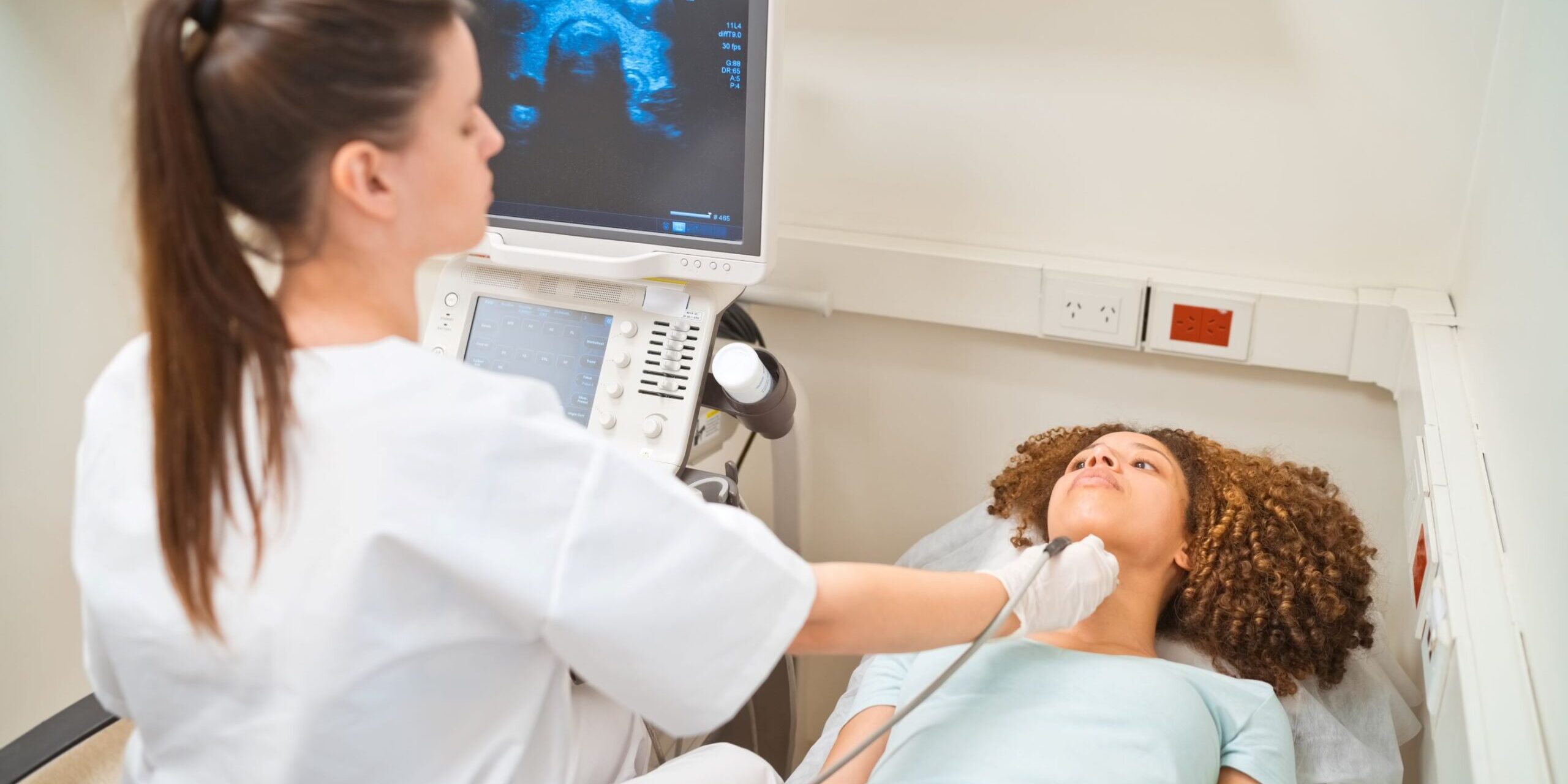
Depending on your symptoms, your consultant might also recommend an ultrasound of your thyroid or a biopsy.
Patients with hypothyroidism are treated with daily tablets to supplement their low hormones. Your consultant will then carefully monitor your thyroid levels during regular follow-up visits. With medication, you can live a healthy, normal lifestyle.
If you have hyperthyroidism, your consultant will discuss a personalised treatment plan with you based on your blood test results. Sometimes, the thyroid will correct itself, and only careful monitoring is needed. In this case, your consultant might suggest medication to treat some of your symptoms.
For more severe cases, both surgery and radioiodine can remove part or all of the thyroid, whichever is needed to cure your hyperthyroidism completely. After these treatments, it’s common for thyroid levels to drop. Frequent follow-ups are required to ensure that your thyroid levels are not too low.
If you have noticed a thyroid swelling, your consultant will arrange a thyroid ultrasound and, if necessary, a biopsy test to detect possible cancer. If cancer is a possibility, our consultants work with top thyroid surgeons and thyroid oncology cancer specialists to treat the cancer.
Meet our experts in thyroid disorders
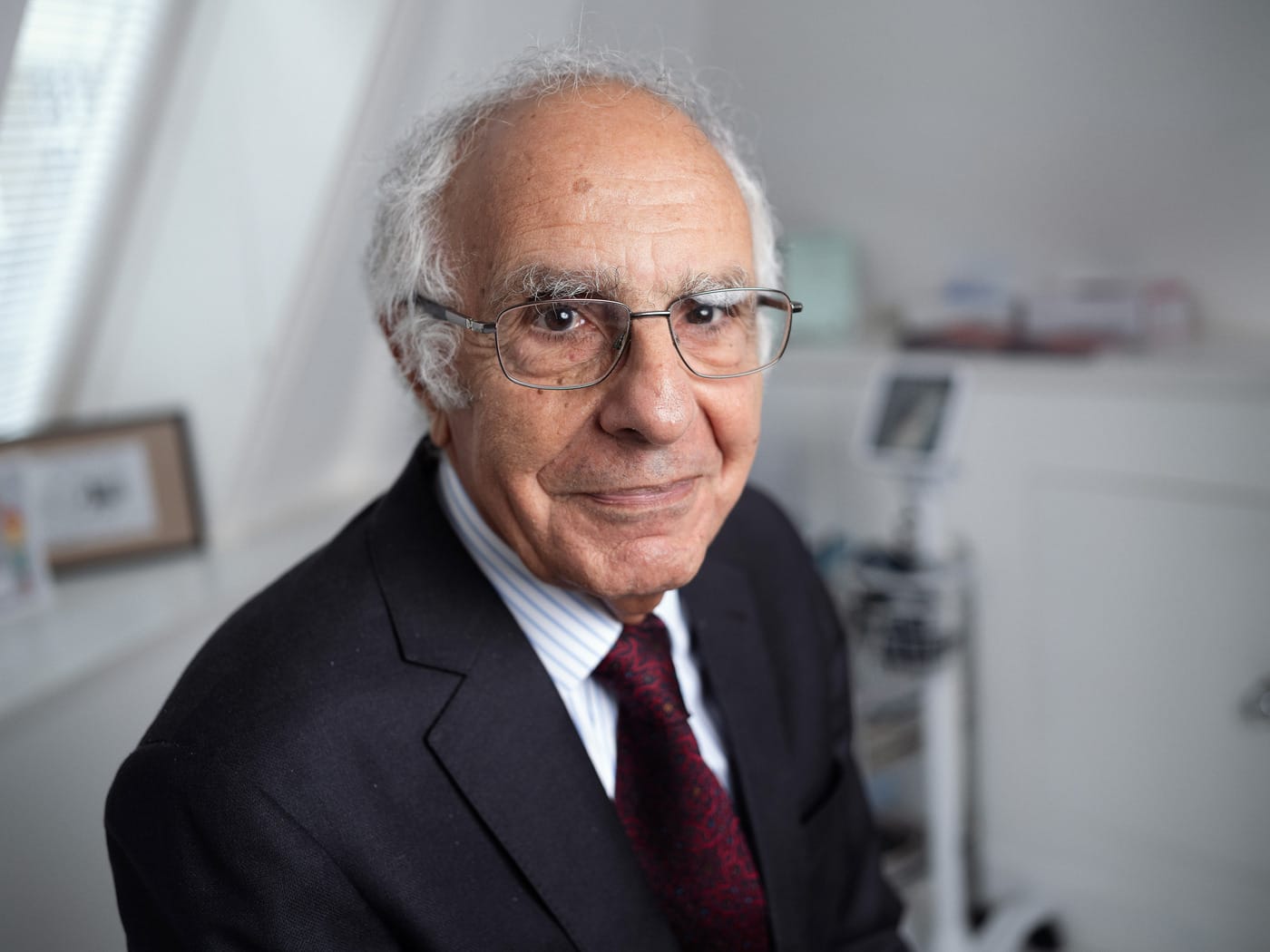
Dr Ralph Abraham
Dr Ralph Abraham, a founder of London Medical, specialises in diabetes, weight management, endocrinology and cholesterol.
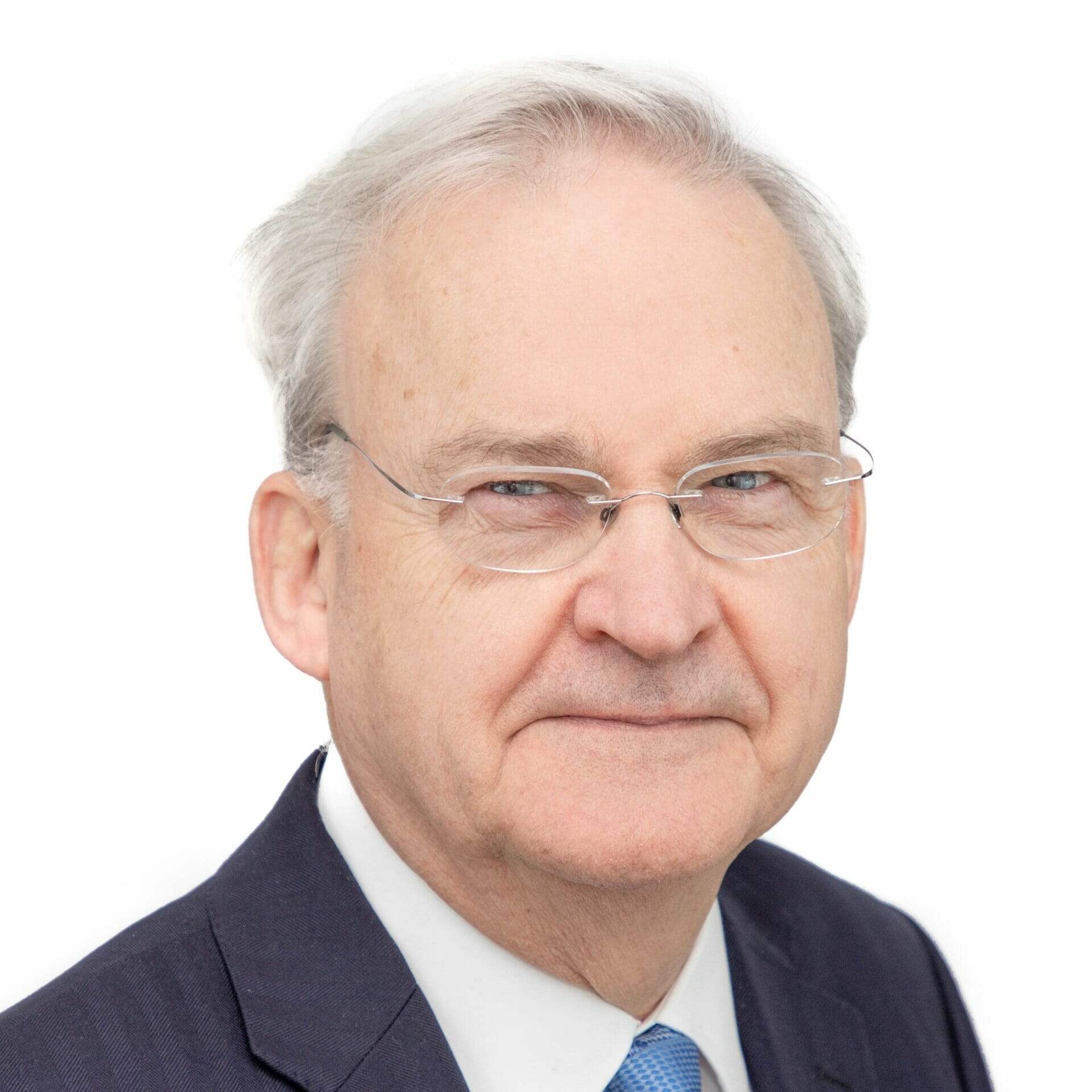
Dr Malcolm Prentice
Consultant in endocrinology, diabetes and general medicine with a special interest in thyroid diseases.
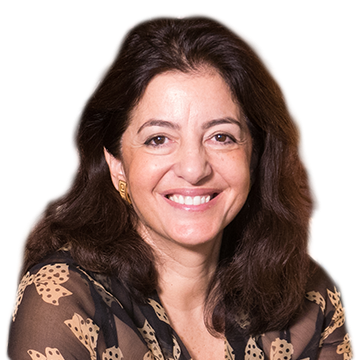
Dr Helen Spoudeas
A paediatric endocrinologist, specialising in paediatric neuroendocrinology and sees all patients with growth and puberty disorders.
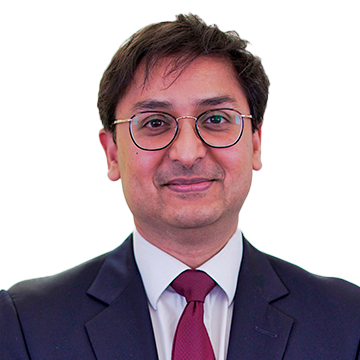
Dr Bobby Huda
Specialist in endocrinology and diabetes who currently practices at several locations around London, including Barts Health NHS Trust.
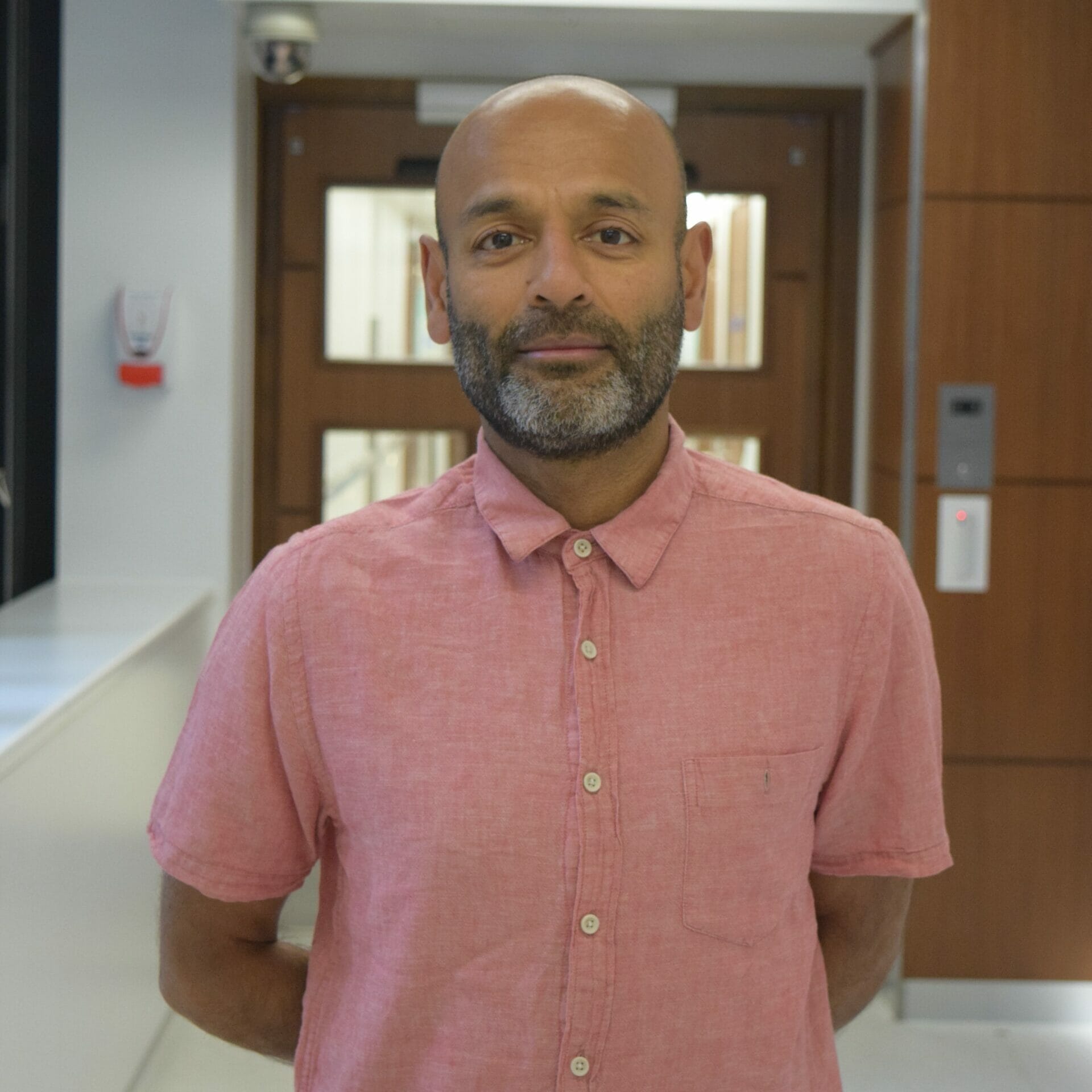
Dr Rakesh Amin
Clinical lead for endocrinology and diabetes at Great Ormond Street Hospital. His clinical practice encompasses all areas of paediatric and adolescent endocrinology and diabetes.
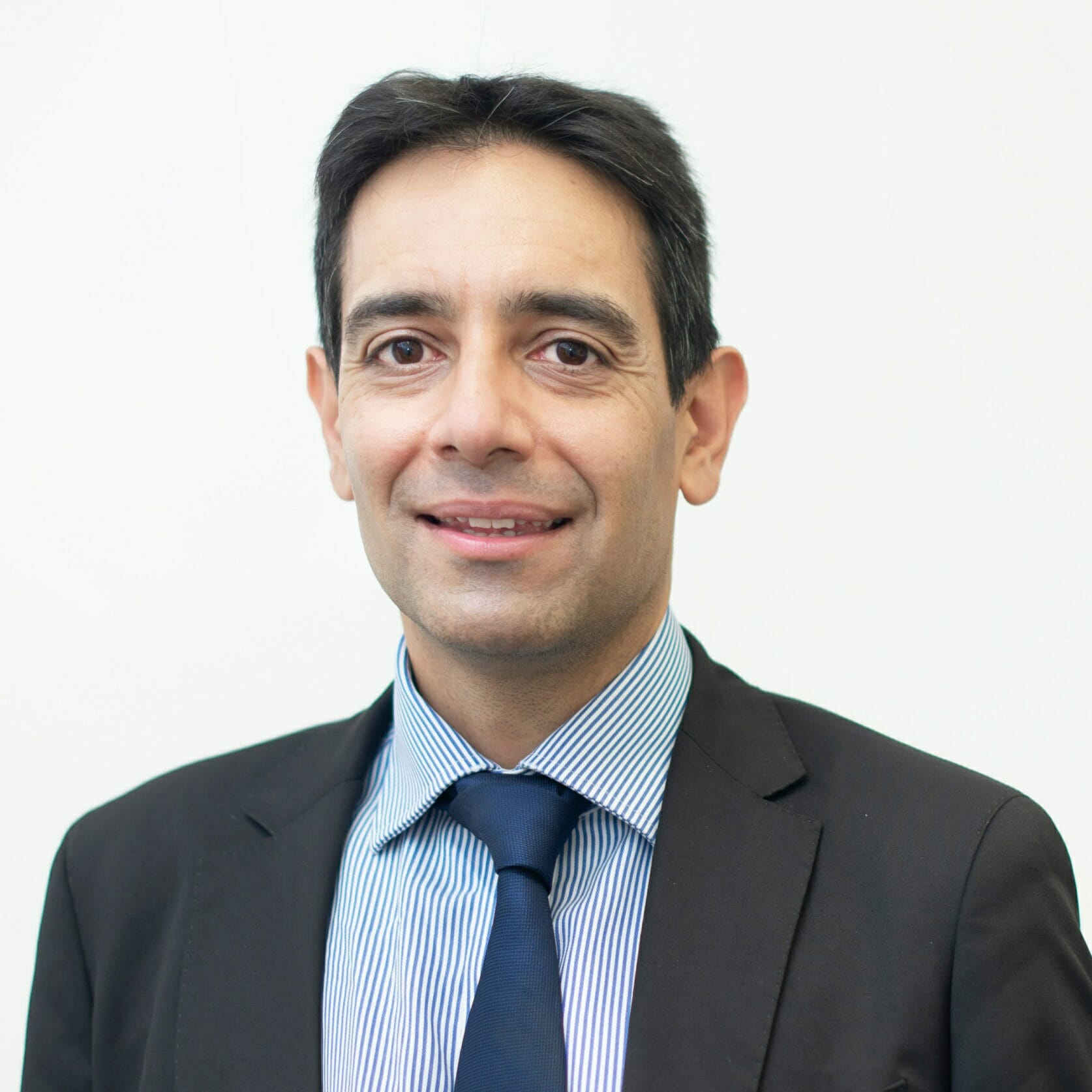
Dr Harvinder Chahal
With a focus on adults, Dr Chahal is a consultant in endocrinology, diabetes, bariatric medicine, and general internal medicine at Imperial College Trust.
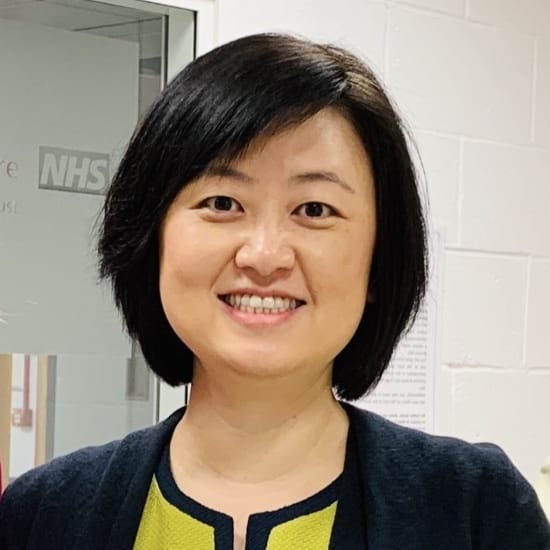
Dr Mimi Z. Chen
Specialist consultant in diabetes and endocrinology with a particular interest in weight loss and weight management medications.
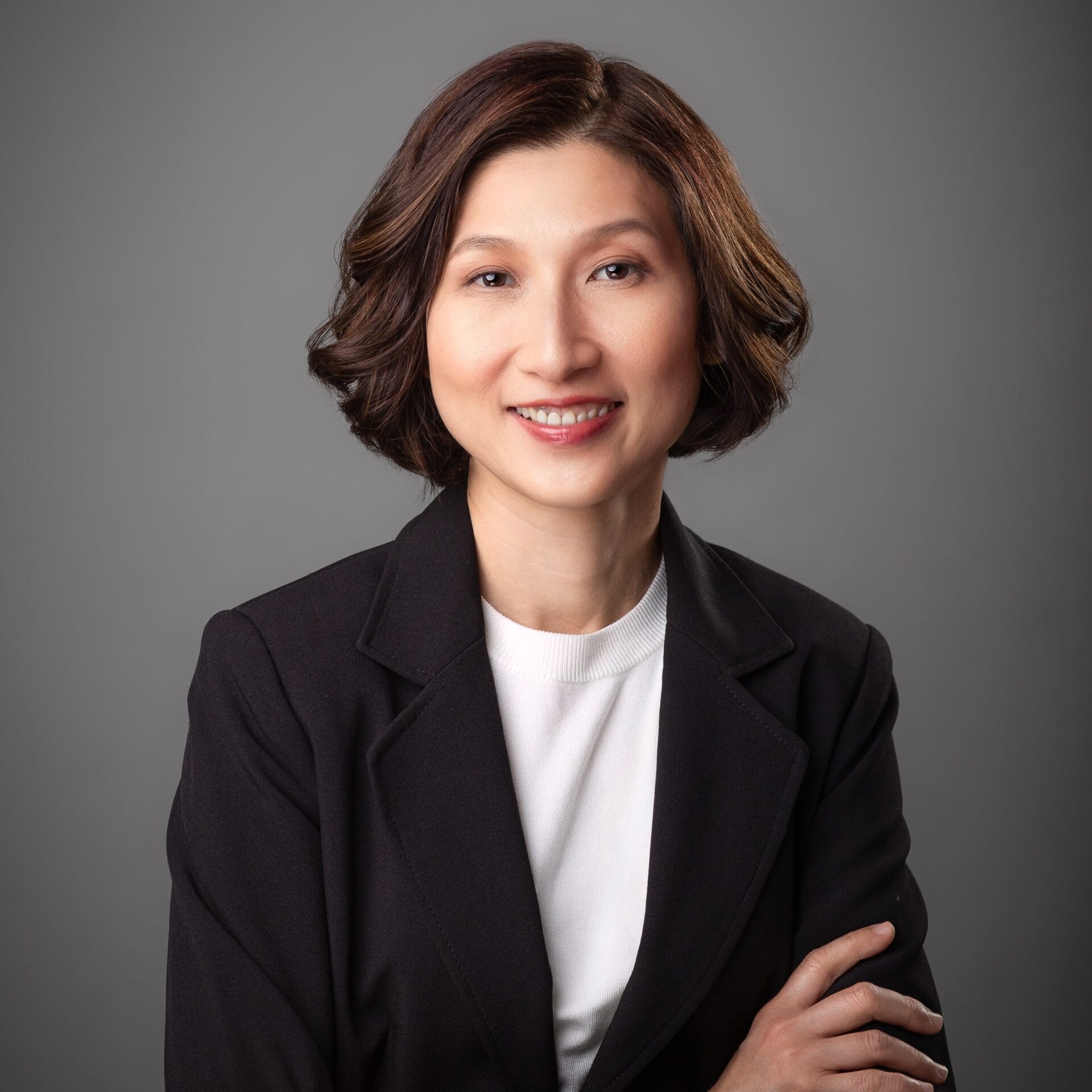
Dr Ling Ling Chuah
Consultant endocrinologist with over a decade’s experience in the treatment of diabetes.
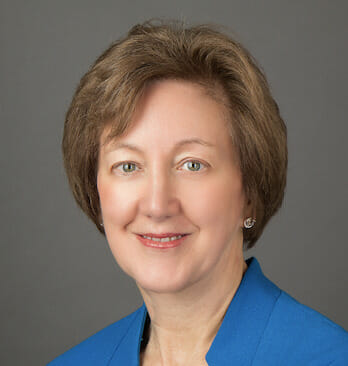
Professor Melanie Davies
Ms Melanie Davies is a consultant obstetrician and gynaecologist and accredited subspecialist in reproductive medicine, treating ages of 14 and upwards.
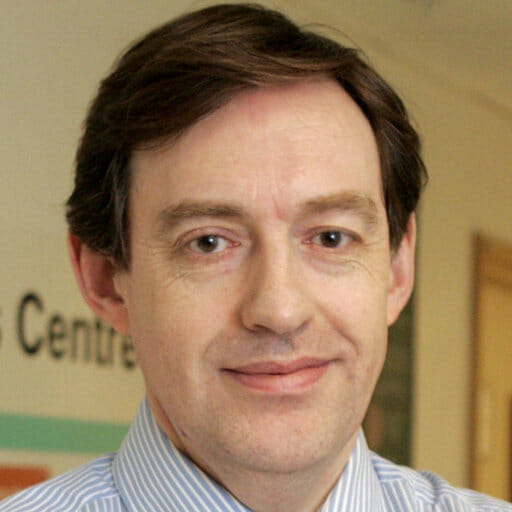
Dr David Hopkins
Consultant physician and diabetologist with a particular clinical interests in insulin pump therapy and management of advanced diabetes complications.
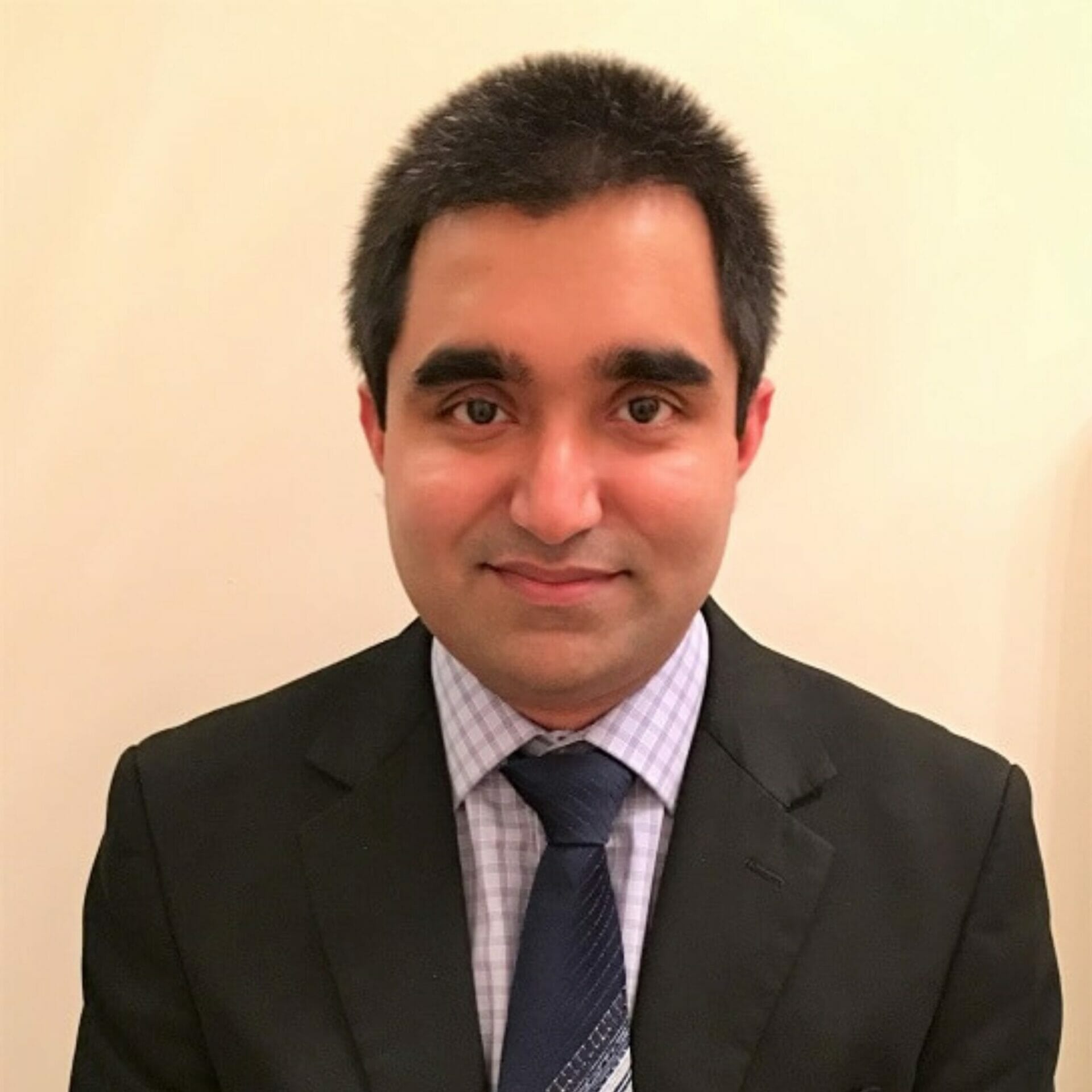
Mr Vikram Talaulikar
Associate specialist at UCL with clinical interests that include reproductive endocrinology, PMOS, fertility, recurrent miscarriage, premature menopause.
Our world-leading endocrinologists provide expert insight on the understanding and treatment of thyroid disorders . .

How to know if your child’s growth is normal
Why see an endocrinologist?

Speak to a member of our team
Get in touch
If you have any questions or want to book an appointment, please speak to our team on +44 (0)800 0483 330.
Or, make an enquiry online using this form and one of our team will be in touch. Please note, all the information collected is required as part of our registration process. By using this form you agree with the storage and handling of your data by our team. You don't need a referral from your GP to make an appointment with us.
Contact us
Our team can also be contacted on +44 (0)800 0483 330.
Please note, all the information collected is required as part of our registration process. By using this form, you agree with the storage and handling of your data by our team.