

If you are feeling the effects of menopause, whether that’s hot flushes, difficulty sleeping, reduced sex drive, fatigue or extreme mood swings, you are probably eager to find relief from the havoc caused by your changing hormones. If you are embarrassed or bothered by hair loss, acne or unwanted hair on your face, you might be anxious to find a quick solution. If you have irregular or infrequent periods and would like to conceive a child, you are likely looking for answers and support. If any of these situations sound familiar to you, there’s a good chance that you are experiencing an imbalance of your female reproductive hormones. Although it’s natural for these hormones to fluctuate throughout your life, unwanted symptoms can make your day-to-day functioning more difficult. If you’d like to regain your equilibrium, London Medical can help. We offer lifelong support for women’s reproductive health from puberty to menopause.
Every woman has two ovaries located on either side of the uterus attached by the fallopian tubes. The ovaries have two main functions. The first is ovulation – the production and release of an egg for fertilisation. If the egg is unfertilised, it results in menstruation. The second function is the production of various reproductive hormones. The most important of these hormones are oestrogen, progesterone and testosterone.
What are the female reproductive hormones and their functions?
Oestrogen and progesterone are instrumental for fertility and regulating your menstrual cycle, but they also play a vital role in other functions. Testosterone also plays an essential role for females as well as males. It is responsible for maintaining libido levels and bone and muscle health.
Signs and symptoms of a problem with your reproductive hormones might include:
- absent or irregular periods
- difficulty conceiving
- delayed onset of menstruation
- increased hair growth on your face and body (hirsutism)
- acne
- hair loss
- weight gain
- dry skin
- hot flushes
- night sweats
- mood changes
- decreased libido
- vaginal dryness
- loss of bone density
What happens to your hormones during menopause?
When a woman reaches the age of 45-55, she will naturally reach the phase in life called menopause. When her ovaries cease to produce eggs, it causes a shift in hormones, most notably a drop in oestrogen.
The time before the final period is called perimenopause. Perimenopause and menopause can be accompanied by many physical and psychological changes, including:
- hot flushes
- reduced libido
- vaginal dryness
- irregular periods
- dry skin
- mood swings and irritability
- depression/anxiety
- difficulty sleeping
- brain fog/forgetfulness
- bone and joint pains
- weight gain
- loss of bone density
- bloating
- involuntary urination
Just because menopause naturally occurs to all women doesn’t mean that you have to suffer from symptoms that disrupt your daily life and damage your relationships. Hormone replacement treatment (HRT) is one solution that can help relieve your symptoms, protect your bones and heart health and improve your quality of life. Your consultant will assess your individual case and offer personalised advice and guidance on the best way to treat your symptoms.
A reproductive endocrine specialist deals with the health and proper functioning of your reproductive hormones and your ovaries. They have experience in diagnosing and treating a hormonal imbalance so you can find relief from uncomfortable and disruptive symptoms.
Book an appointment with one of our reproductive endocrine specialists today.
Some of the most commonly experienced reproductive hormone disorders in females include:
- Menopause – When a woman stops having periods, she has achieved the menopause. If you are having a hard time with menopausal symptoms, we can help you find relief and improve your overall quality of life.
- Premature ovarian insufficiency (POI) – Also called premature menopause, this is when the ovaries cease to function before the age of 40. We help treat the symptoms of POI, which are often severe, and offer fertility advice.
- Polycystic ovary syndrome (PCOS) – This is a common condition affecting women of reproductive age. If you suffer from a hormonal imbalance in which your body makes more androgens (male hormones), you might have missed or irregular periods, excess body hair, acne or thinning scalp hair. We can get to the bottom of your symptoms and manage and treat your condition.
- Infertility – If you have a problem with your ovulation or have been through cancer treatment, we are here to help you address any hormonal reasons for your difficulty conceiving.
- Recurrent miscarriage – If you’ve been in the difficult situation of having two or more miscarriages, you are likely eager to discover the underlying cause and find a solution. We offer comprehensive analysis and personalised treatment to help you have the best chance of a healthy, full-term pregnancy.
We also have experience treating patients with the following conditions:
- Hypogonadotropic hypogonadism – When the ovaries do not produce sufficient levels of the female sex hormones, the result is an absence of menstruation and a lack of oestrogen in the body.
- Amenorrhea – There are many reasons a woman might cease having periods, including a lack of body fat or too much exercise. Sometimes, a hormonal imbalance is the cause.
- Delayed puberty – There is a wide range of normal in puberty, with girls typically starting puberty between the ages of 8 and 13. If a teenage girl has not experienced any breast development by 13 or had her first period by 15, she is considered to have delayed puberty.
- Hirsutism – Excessive hair growth on the face or body is often a symptom of an underlying hormone problem.
Osteoporosis – This disease is characterised by decreased bone mass, making your bones more susceptible to fractures. The hormone oestrogen helps protect your bones, so women are more likely to develop osteoporosis during menopause or premature menopause. Your consultant can assess your bone mass density and advise you on the role of oestrogen treatment in protecting your bones during this time.
Our approach to treating female reproductive hormone disorders
Medicine is changing fast, and we believe that our patients should be a part of this, not simply another number in a resource-restricted guideline. When you book a consultation at London Medical, you will see a reproductive endocrine specialist who thinks outside the box and puts your individual health interests first. Our endocrine consultants are at the cutting-edge of their field and aware of the latest advances in diagnosis and treatment.
At London Medical, your appointment will be booked quickly – typically within a week. Your experience will be uniquely personal to you. Your reproductive endocrine specialist will provide you with an individual treatment plan that they will take the time to explain to you. Most importantly, they will look at your total health and the effects of any interrelated conditions and treatments on your overall well-being. At London Medical, we have the top experts working together for your total care – all under one roof.
Your patient journey will start with an initial consultation with a reproductive endocrine specialist in which you will have the time to explain all your symptoms, your family history and medical background and bring up any concerns or worries you might have.
Based on your personal and family history, your consultant might suggest additional investigations to be done in-house, including:
- Hormonal blood tests
- Pelvic ultrasound scan
- Follicle tracking scans
- DEXA scan to check bone mass
Your consultant will carefully consider all your test results, symptoms, personal risk factors and preferences before advising you on a customised treatment plan. They will thoroughly explain all your treatment options, including any risks or side effects so that you can make the right choice for you.
Potential treatments for reproductive hormone disorders might include:
- Hormone treatment or hormone replacement therapy (HRT)
- Non-hormonal treatments for menopause such as lubricants for vaginal dryness or antidepressants for depression
- Choosing the right hormonal birth control for PCOS
- Non-hormonal treatments for PCOS
- Oestrogen for delayed puberty
- Bisphosphonates for osteoporosis
- Fertility planning
- Holistic advice on diet, nutrition and exercise plans
- Suggestions on alternative therapies such as acupuncture, yoga, CBT and mindfulness.
Meet our reproductive endocrine specialists
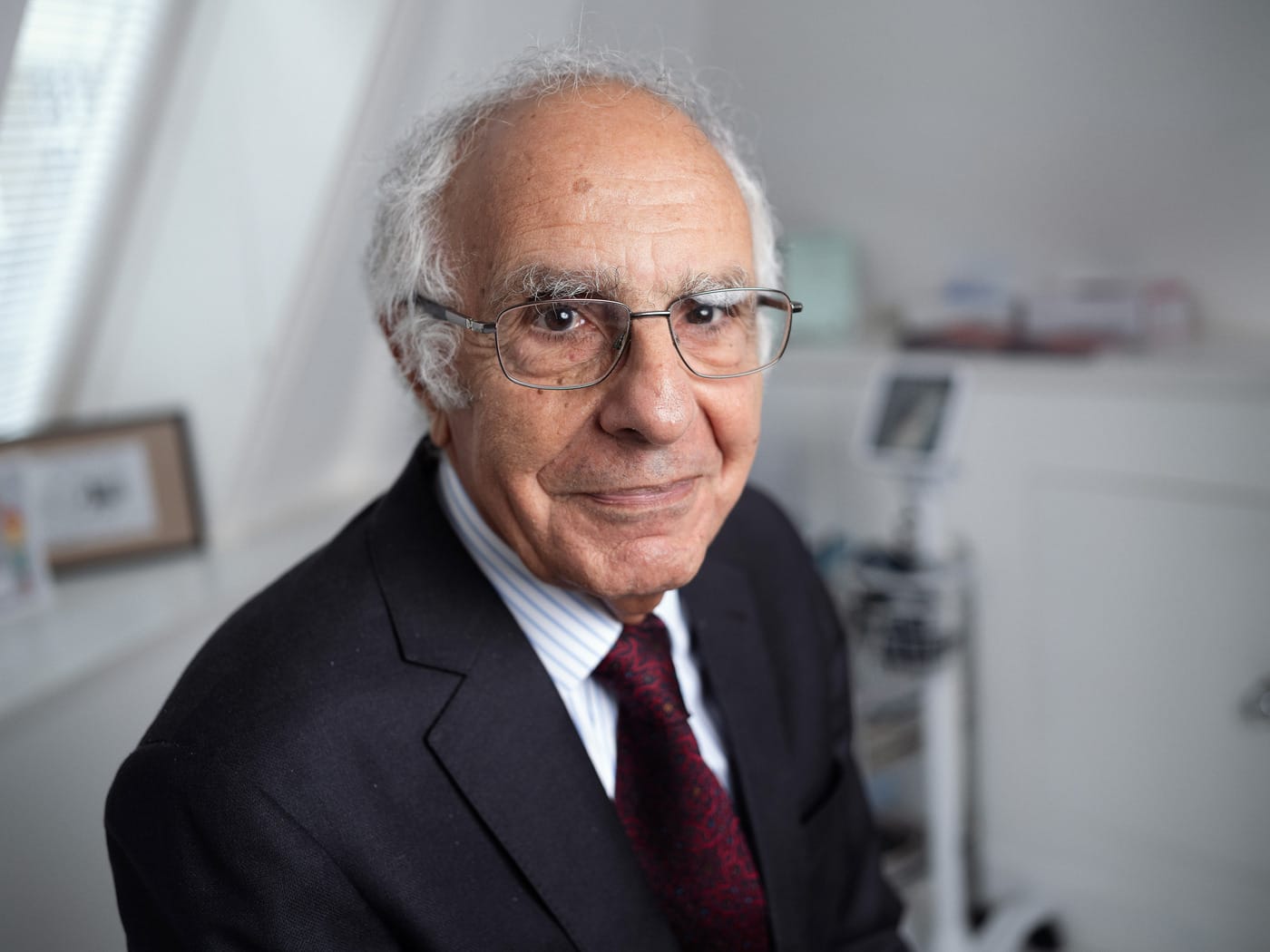
Dr Ralph Abraham
Dr Ralph Abraham, a founder of London Medical, specialises in diabetes, weight management, endocrinology and cholesterol.
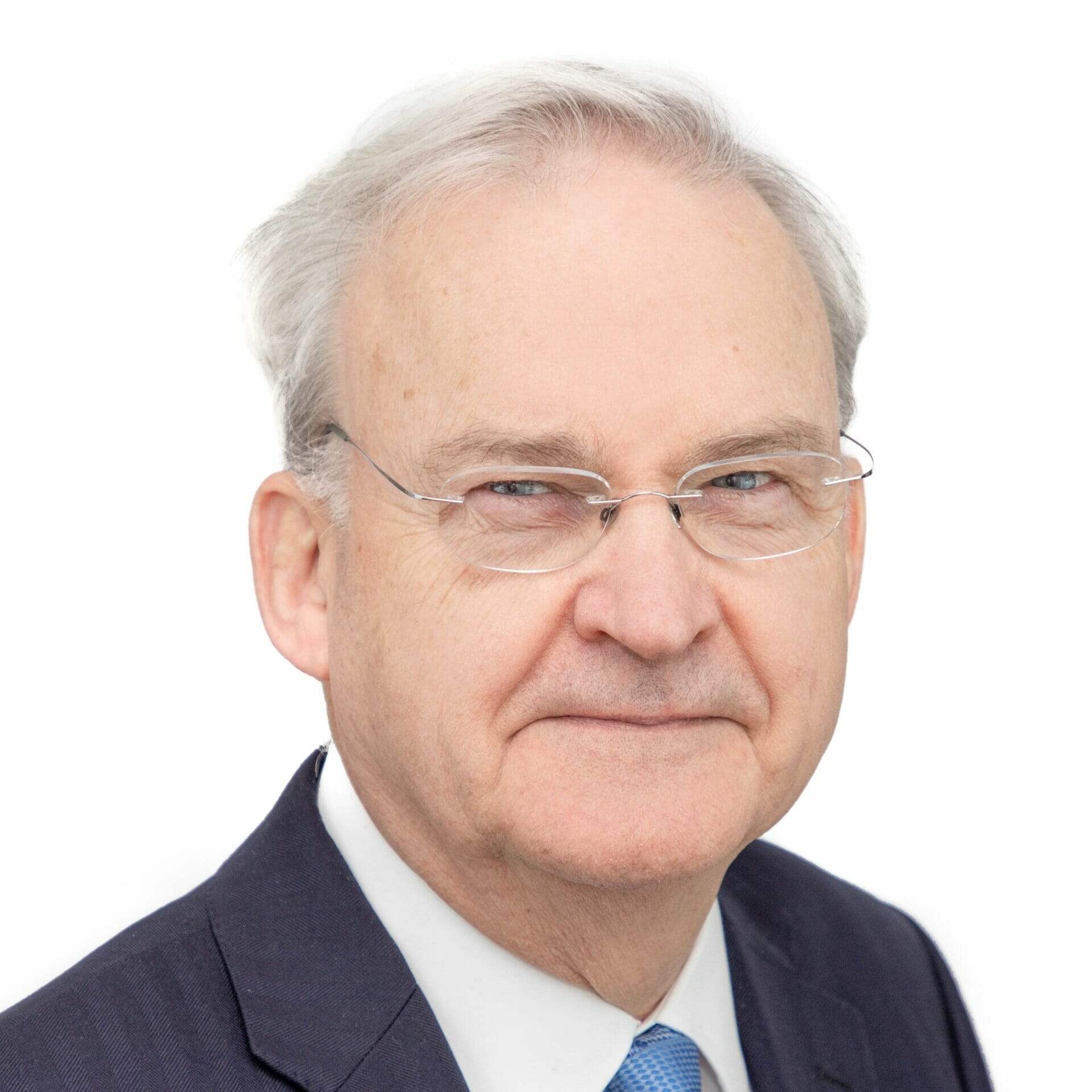
Dr Malcolm Prentice
Consultant in endocrinology, diabetes and general medicine with a special interest in thyroid diseases.

Dr Helen Spoudeas
A paediatric endocrinologist, specialising in paediatric neuroendocrinology and sees all patients with growth and puberty disorders.

Dr Bobby Huda
Specialist in endocrinology and diabetes who currently practices at several locations around London, including Barts Health NHS Trust.
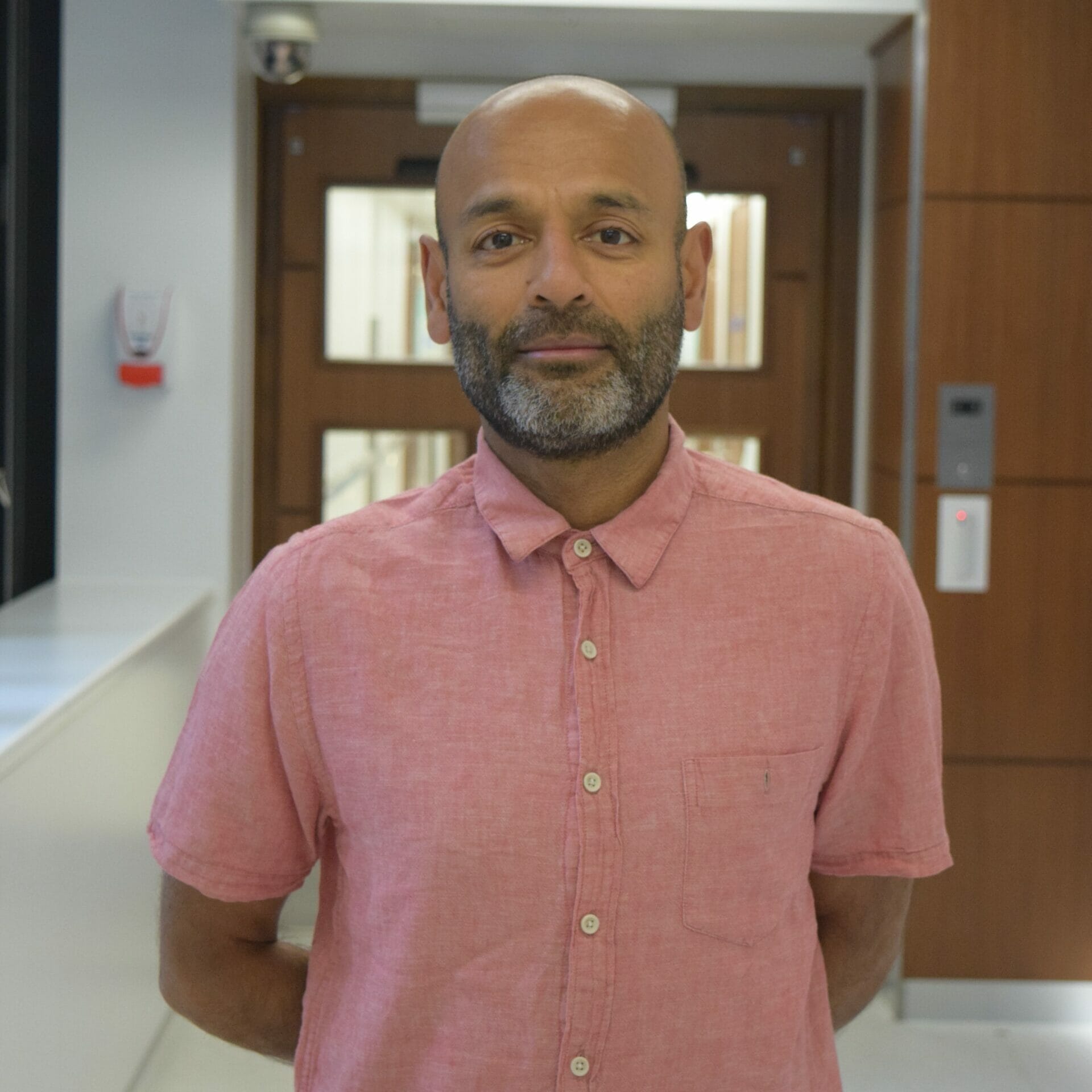
Dr Rakesh Amin
Clinical lead for endocrinology and diabetes at Great Ormond Street Hospital. His clinical practice encompasses all areas of paediatric and adolescent endocrinology and diabetes.

Dr Harvinder Chahal
With a focus on adults, Dr Chahal is a consultant in endocrinology, diabetes, bariatric medicine, and general internal medicine at Imperial College Trust.
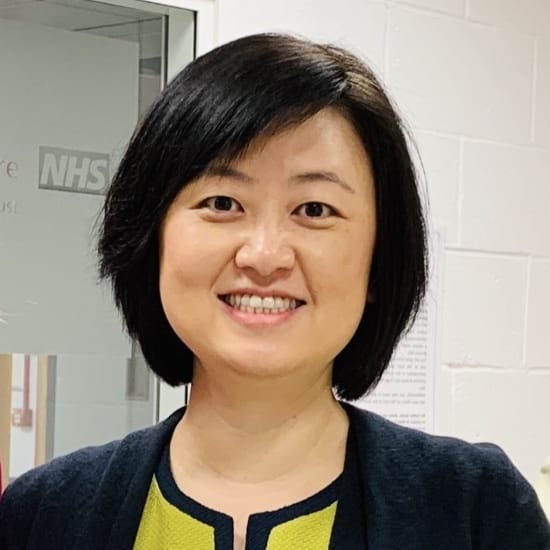
Dr Mimi Z. Chen
Specialist consultant in diabetes and endocrinology with a particular interest in weight loss and weight management medications.

Dr Ling Ling Chuah
Consultant endocrinologist with over a decade’s experience in the treatment of diabetes.
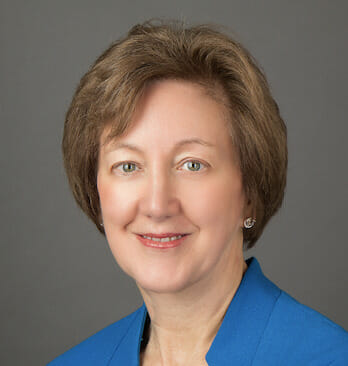
Professor Melanie Davies
Ms Melanie Davies is a consultant obstetrician and gynaecologist and accredited subspecialist in reproductive medicine, treating ages of 14 and upwards.
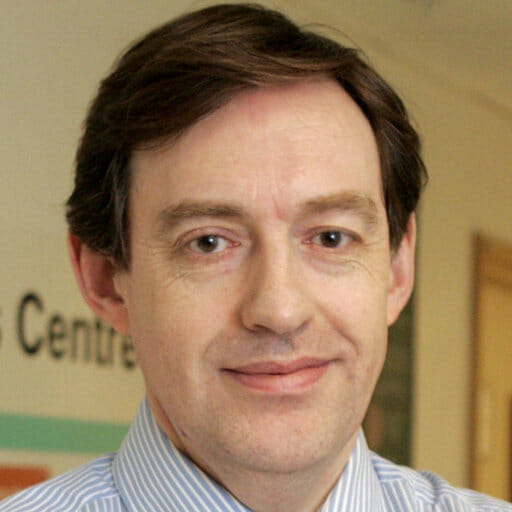
Dr David Hopkins
Consultant physician and diabetologist with a particular clinical interests in insulin pump therapy and management of advanced diabetes complications.
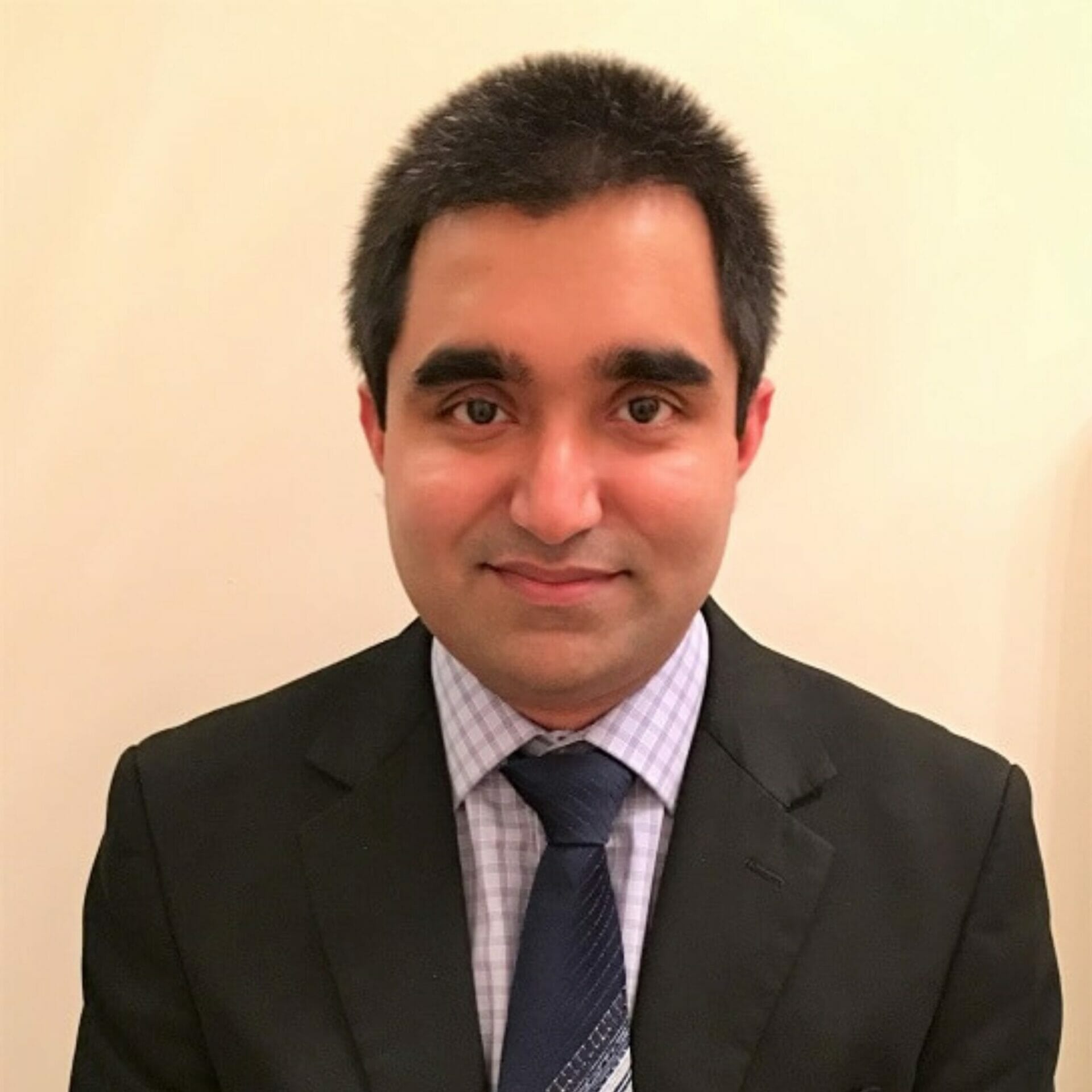
Mr Vikram Talaulikar
Associate specialist at UCL with clinical interests that include reproductive endocrinology, PMOS, fertility, recurrent miscarriage, premature menopause.
Learn more about understanding the female reproductive system
Our world-leading endocrinologists provide expert insight on the understanding and treatment of female reproductive hormone disorders. .
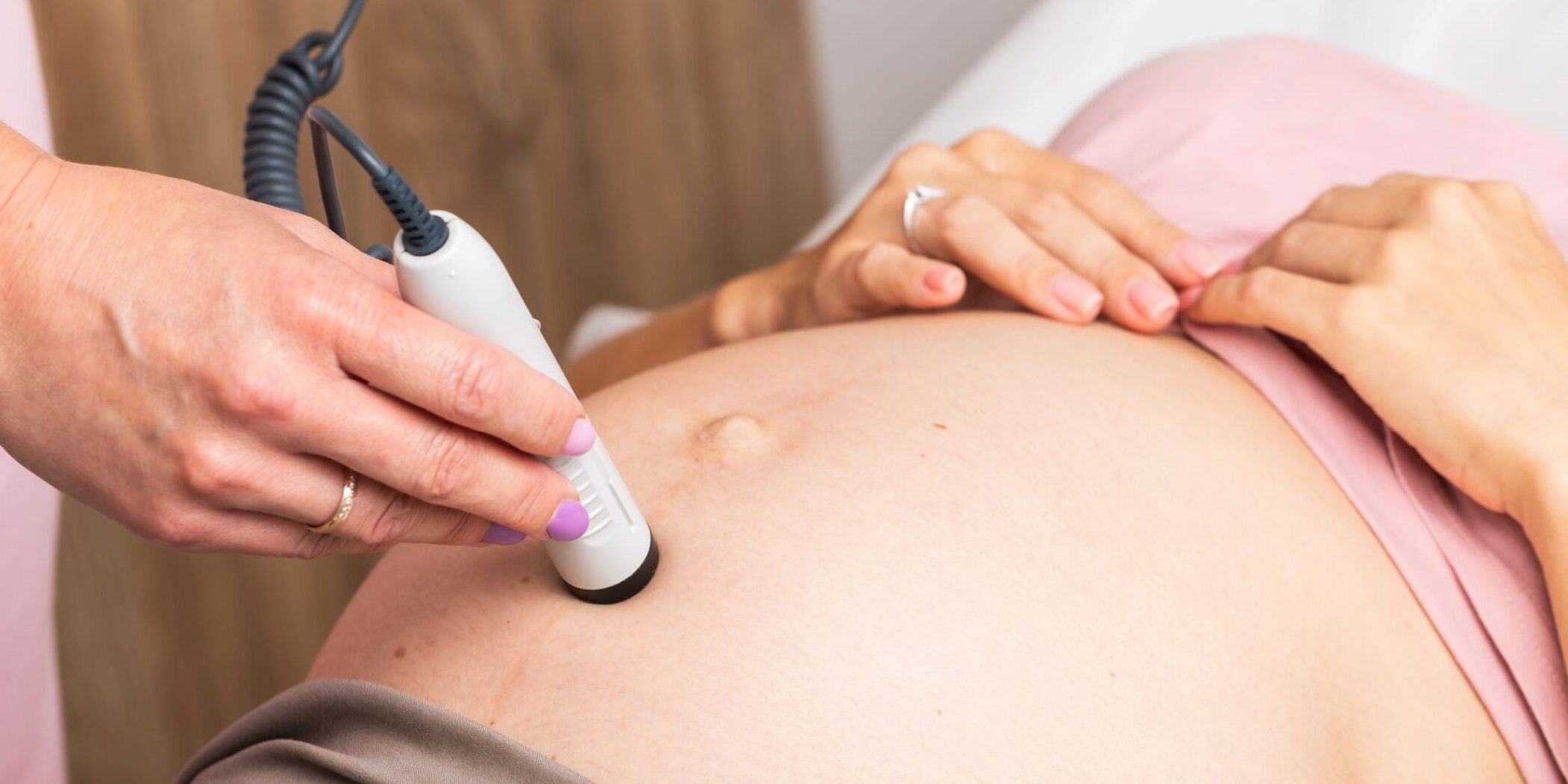
Recurrent miscarriage: questions and solutions
Tiredness and endocrine disorders

Speak to a member of our team

Get in touch
If you have any questions or want to book an appointment, please speak to our team on +44 (0)800 0483 330.
Or, make an enquiry online using this form and one of our team will be in touch. Please note, all the information collected is required as part of our registration process. By using this form you agree with the storage and handling of your data by our team. You don't need a referral from your GP to make an appointment with us.
Contact us
Our team can also be contacted on +44 (0)800 0483 330.
Please note, all the information collected is required as part of our registration process. By using this form, you agree with the storage and handling of your data by our team.