


You’re probably aware of testosterone’s essential role in male reproductive health and fertility. But did you know that testosterone also plays a crucial part in regulating a man’s physical features, energy, weight, mood and bone health? Normal testosterone levels fluctuate through the day, but when they are consistently too low, it can cause erectile dysfunction, infertility and a wide range of physical changes. Low testosterone levels can have a devastating impact on your overall mental health and wellbeing – London Medical is here to help.
The testes are male reproductive glands that produce androgens – male sex hormones. The most important of these hormones is testosterone. The pituitary gland in the brain (often called the ‘master gland’) controls testosterone production by the testes.
Testosterone has many essential functions. It stimulates puberty in boys and is responsible for male characteristics such as facial, body and pubic hair and testes development. It also plays a critical role in sperm production, sex drive (libido), bone health and muscle mass.
Men rarely experience a problem with producing too much testosterone. However, it is common for testosterone levels to become too low. Many factors can cause your testosterone levels to decrease, including genetic diseases, pituitary disorder, diabetes, obesity, stress and chronic illness. In fact, it’s estimated that 40-50% of men with type 2 diabetes or obesity have low testosterone levels.
What are the signs and symptoms of an imbalance of testosterone in the male body?
- Inability to get or keep an erection
- Low sperm count
- Low sex drive
- Fatigue
- Osteoporosis
- Reduced muscle mass
- Smaller testes
- Loss of body hair
- Irritability/low mood
- Trouble sleeping
- Delayed puberty in adolescents
- Increased growth and height in adolescence
- Psychological distress
As you age, your testosterone levels naturally decrease. This varies by individual. But if you are experiencing any of the symptoms above and you’re looking to restore your testosterone to healthy levels and improve your overall quality of life, we can help.
Our top-rated experts are highly experienced in diagnosing and treating male hormone disorders.
- Hypogonadism – This is a common condition in which the testes produce low levels of testosterone. It can be present from birth or develop in childhood, adolescence or adulthood. There are several reasons why you might develop low levels of testosterone, including problems with your pituitary gland, cancer treatments, some medications and obesity, just to name a few.
- Erectile dysfunction (ED) – ED is the inability to get or maintain an erection. Many factors can put you at high risk for erectile dysfunction, including hypogonadism, other hormone disorders, diabetes, obesity, high blood pressure, smoking, high cholesterol, depression, anxiety disorders and some medications.
- Delayed puberty – There is a wide range of normal in puberty, with puberty typically starting between 9 and 14 for boys. Boys have delayed puberty if they have not experienced any pubic hair or testicular growth by the age of 14. This results from a lack of male sex hormone, testosterone.
- Infertility – Although rare, male infertility can be caused by a hormonal imbalance. Low testosterone levels affect your ability to make healthy sperm, but other hormones such as luteinizing hormone (LH), follicle-stimulating hormone (FSH), prolactin and thyroid hormones all play key roles in male reproductive function. An imbalance of any of these can affect your fertility.
Our approach to male reproductive endocrinology
Medicine is changing fast, and we believe that our patients should be a part of this, not simply another number in a resource-restricted guideline. When you book a consultation at London Medical, you will see an endocrinologist who thinks outside the box and puts your individual health interests first. Our consultants are at the cutting-edge of their field and aware of the latest advances in diagnosis and treatment.
At London Medical, your consultant will look at your total health and any risk factors for male hormone disorders. If you have low testosterone levels because of chronic illness, type 2 diabetes or obesity, we’ll make sure we treat and manage the underlying condition. Since male hormone imbalance can have far-reaching impacts on your physical and psychological health, we might refer you for additional specialist treatments in our clinic, such as:
- counselling with one of our clinical psychologists
- referral to our sexual health doctors
- specialist diabetes treatment
- weight management
- lipid and cholesterol profiling
- heart health checkup plan
- osteoporosis screening
At London Medical, we have the top experts working together for your total care – all under one roof.
At your initial consultation, you’ll meet with your consultant, who will take the time to listen to all your symptoms, family history and medical background before doing a thorough physical exam.
Based on your personal and family history, your consultant might suggest additional investigations, including:
- Blood hormone tests
- Semen analysis
- MRI or CT scan of the pituitary gland
- Ultrasound of the testes
- Bone age tests and X-rays for children and adolescents
Your consultant will carefully consider all your test results, symptoms, personal risk factors and preferences before advising you on a customised treatment plan. They will thoroughly explain your treatment options, including any risks or side effects, so that you can make the right choice for you.
If you have low testosterone levels due to hypogonadism, your consultant might suggest testosterone replacement therapy. Testosterone can be administered via:
- monthly or 3-monthly injections
- topical application with a gel
- patches
Testosterone replacement is not the only solution. In some cases, symptoms can improve with lifestyle changes or by treating underlying health conditions. So whether you need a personalised weight management programme, advice managing your blood sugar levels or support with quitting smoking, we’re here to help look after your whole health.
Meet our experts in male reproductive hormone disorders
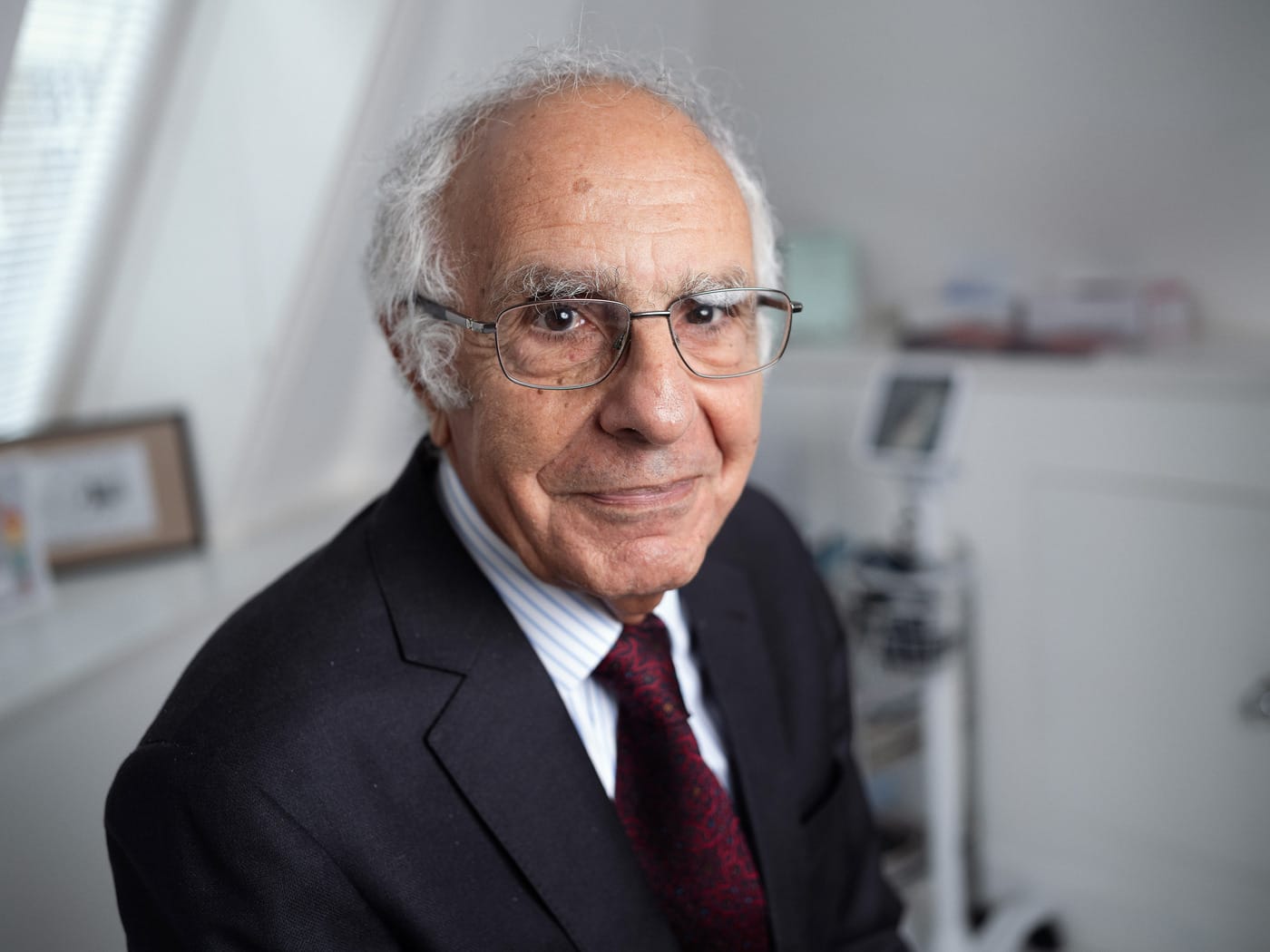
Dr Ralph Abraham
Dr Ralph Abraham, a founder of London Medical, specialises in diabetes, weight management, endocrinology and cholesterol.
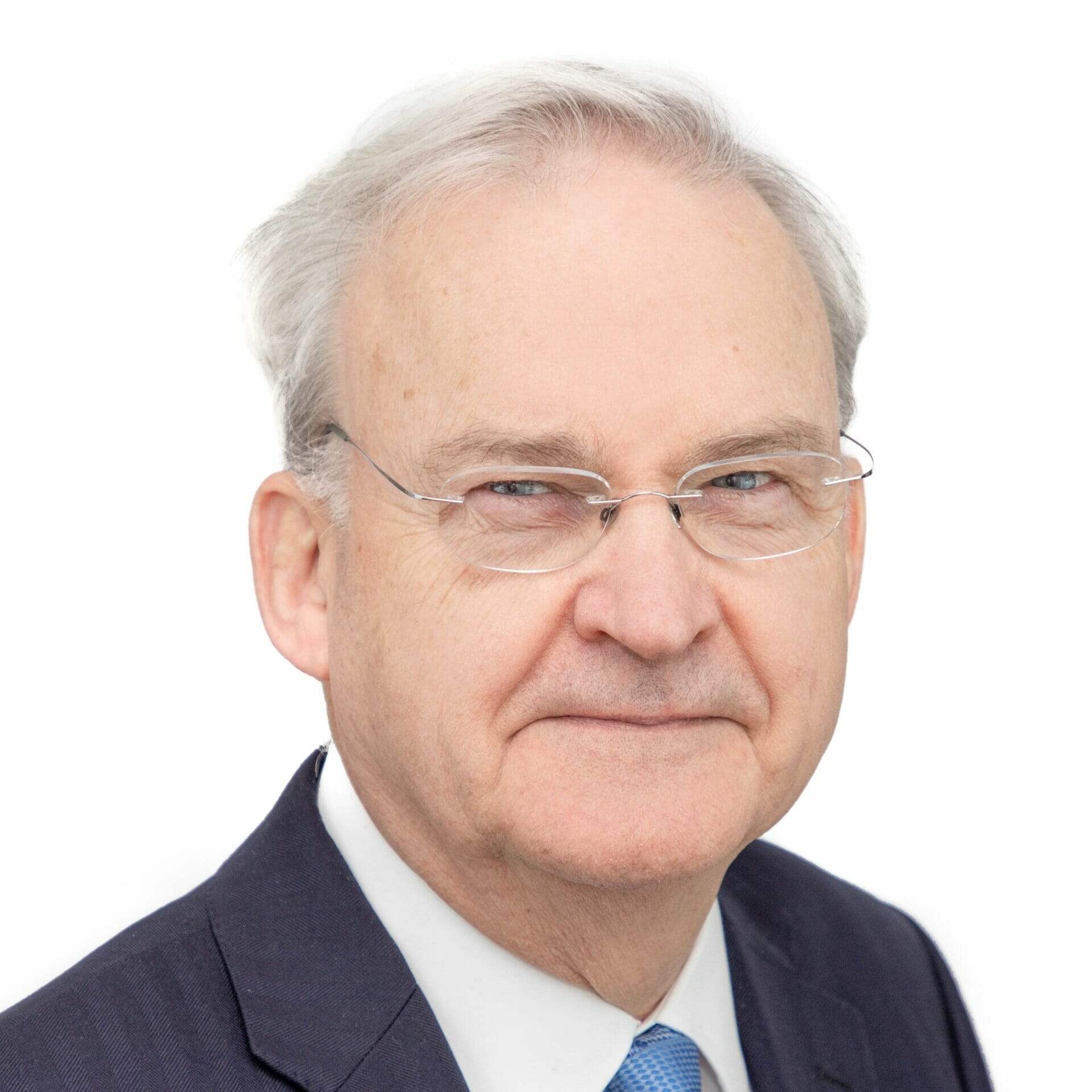
Dr Malcolm Prentice
Consultant in endocrinology, diabetes and general medicine with a special interest in thyroid diseases.

Dr Helen Spoudeas
A paediatric endocrinologist, specialising in paediatric neuroendocrinology and sees all patients with growth and puberty disorders.

Dr Bobby Huda
Specialist in endocrinology and diabetes who currently practices at several locations around London, including Barts Health NHS Trust.
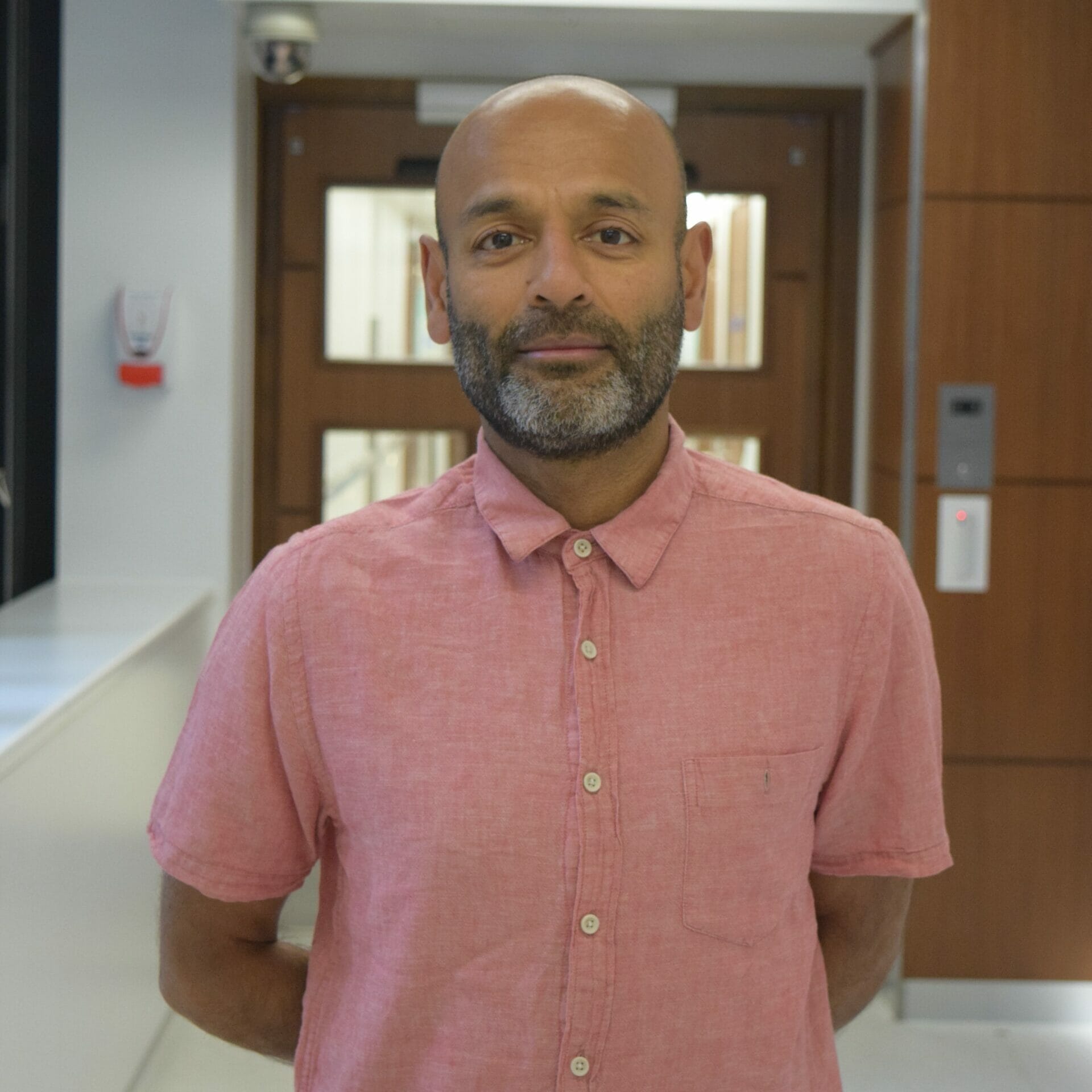
Dr Rakesh Amin
Clinical lead for endocrinology and diabetes at Great Ormond Street Hospital. His clinical practice encompasses all areas of paediatric and adolescent endocrinology and diabetes.

Dr Harvinder Chahal
With a focus on adults, Dr Chahal is a consultant in endocrinology, diabetes, bariatric medicine, and general internal medicine at Imperial College Trust.
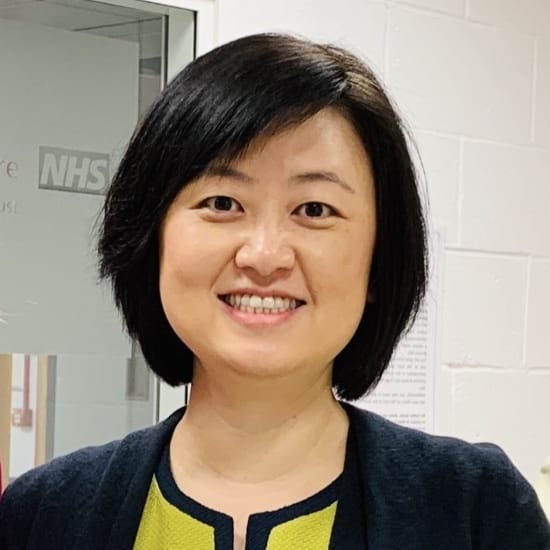
Dr Mimi Z. Chen
Specialist consultant in diabetes and endocrinology with a particular interest in weight loss and weight management medications.

Dr Ling Ling Chuah
Consultant endocrinologist with over a decade’s experience in the treatment of diabetes.

Professor Melanie Davies
Ms Melanie Davies is a consultant obstetrician and gynaecologist and accredited subspecialist in reproductive medicine, treating ages of 14 and upwards.
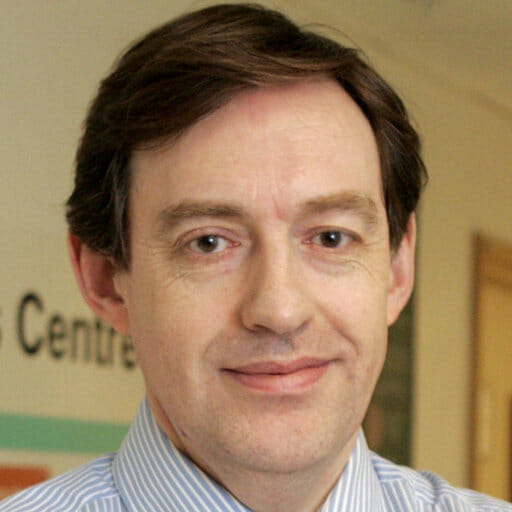
Dr David Hopkins
Consultant physician and diabetologist with a particular clinical interests in insulin pump therapy and management of advanced diabetes complications.

Mr Vikram Talaulikar
Associate specialist at UCL with clinical interests that include reproductive endocrinology, PMOS, fertility, recurrent miscarriage, premature menopause.
Learn more about male reproductive hormone disorders
Our world-leading endocrinologists provide expert insight on the understanding and treatment of male reproductive hormone disorders. .

Recurrent miscarriage: questions and solutions

Tiredness and endocrine disorders

Speak to a member of our team

Get in touch
If you have any questions or want to book an appointment, please speak to our team on +44 (0)800 0483 330.
Or, make an enquiry online using this form and one of our team will be in touch. Please note, all the information collected is required as part of our registration process. By using this form you agree with the storage and handling of your data by our team. You don't need a referral from your GP to make an appointment with us.
Contact us
Our team can also be contacted on +44 (0)800 0483 330.
Please note, all the information collected is required as part of our registration process. By using this form, you agree with the storage and handling of your data by our team.