London Medical Cardiology
Thyroid testing
London Medical provides the most up-to-date procedures for patients – with clinics held by some of the UK’s most renowned specialists.
Comprehensive thyroid testing
The thyroid is a small gland in the neck that produces hormones that control the metabolism and have a significant impact on your health and wellbeing. Thyroid disorders are common, affecting around one in 20 people in the UK.
London Medical’s top endocrinologists are expert at diagnosing, treating and monitoring thyroid disease. If you’ve had unexplained weight gain or loss, or you’re feeling tired, irritable and unwell, London Medical offers comprehensive thyroid function tests to check that your thyroid is healthy and working well.
What are the symptoms of thyroid disease?
The symptoms of thyroid disease may be subtle and develop gradually so that problems can often be missed.
Hypothyroidism is the medical term for an underactive thyroid. It’s a condition in which the thyroid gland doesn't produce enough of the thyroid hormones thyroxine (T4) and triiodothyronine (T3). Thyroid hormones are crucial for driving the body’s metabolism. When there’s too little, the body processes slow down, making you gain weight and feel sluggish, cold and exhausted. Common symptoms of hypothyroidism include:
- Tiredness and loss of energy
- Weight gain
- Low mood and depression
- Increased sensitivity to the cold
- Dry skin and hair falling out
- Thinning of the eyebrows
- Muscular aches
Hyperthyroidism is the medical term for an overactive thyroid. It’s a condition in which the thyroid gland produces too much of the thyroid hormones thyroxine (T4) and triiodothyronine (T3). The thyroid hormones drive the body’s metabolism, so when the gland is overactive you may lose weight, feel hot and hyperactive. Common symptoms of hyperthyroidism include:
- High energy and hyperactivity, however conversely people can also feel fatigued
- Anxiety and irritability
- Palpitations and irregular heartbeat
- Problems sleeping
- Unexplained weight loss
- Disturbed menstruation - periods may be absent or infrequent
- Infertility
- Low libido
For anyone who is worried about their health and concerned about thyroid disease, London Medical offers screening investigations, expert analysis and supportive care by experienced endocrinology consultants.
Thyroid testing at London Medical
The endocrinology consultants at London Medical will listen carefully to your concerns, perform a detailed examination and arrange for investigation in the state-of-the-art outpatient clinic.
The definitive way of testing for a thyroid problem is by performing a quick, simple blood test to the check the levels of thyroid hormones. London Medical offers tests for a number of different hormones to provide a detailed analysis of the thyroid function. This includes:
- Thyroxine (T4)
- Tri-iodothyronine (T3)
- Thyroid-Stimulating Hormone (TSH), which typically goes up when the thyroid is underactive
- Antithyroid antibodies which are produced in people with autoimmune thyroid disease
- Thyroid ultrasound if the gland is large or abnormal on examination
- Thyroid technetium scan in some cases
Having tests can be worrying, but staff at London Medical will be on hand to offer support and guidance throughout. A follow-up appointment will be arranged to discuss the results and make a customised treatment plan.
Frequently Asked Questions
Our Consultants
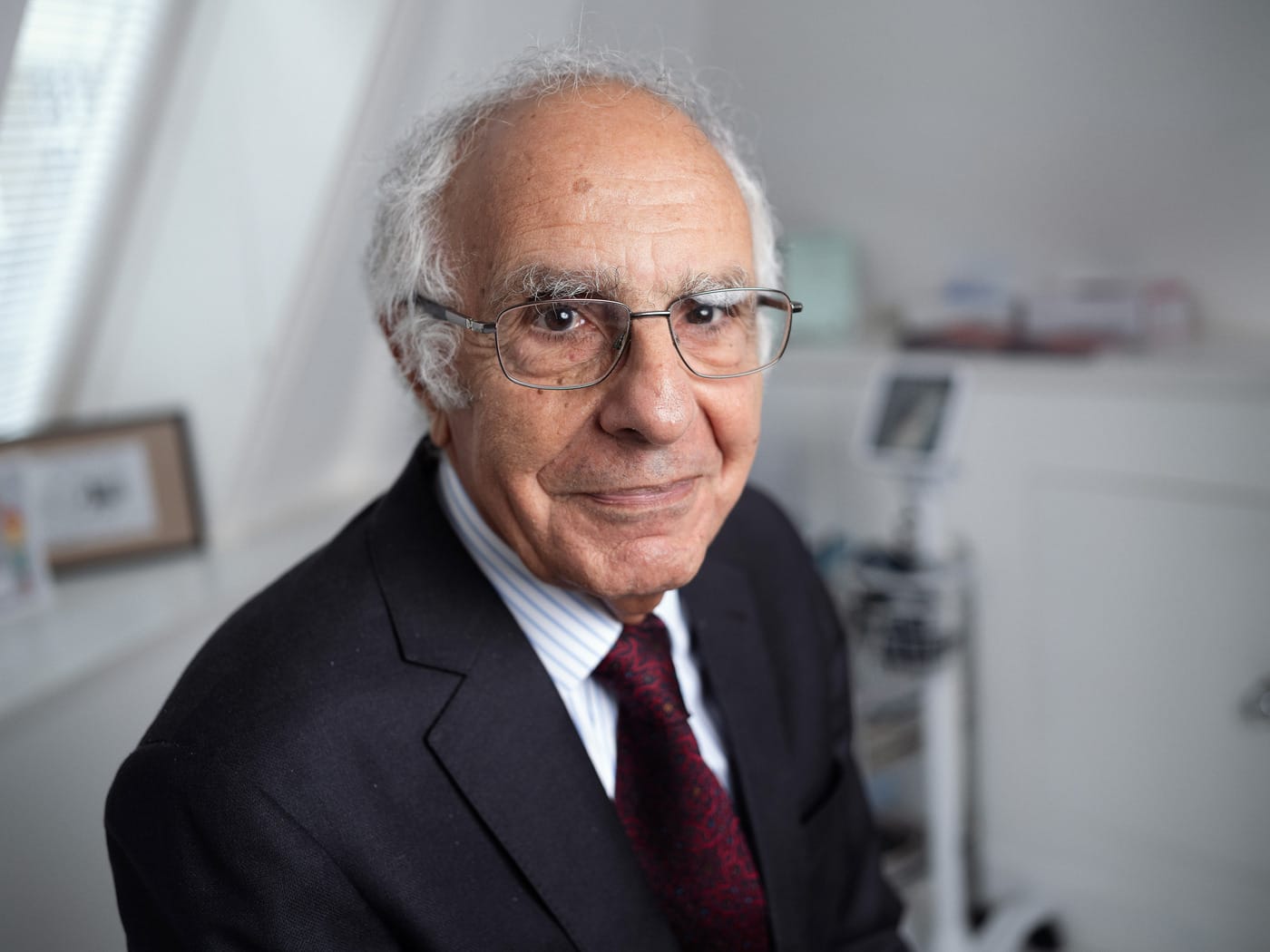
Dr Ralph Abraham
Dr Ralph Abraham, a founder of London Medical, specialises in diabetes, weight management, endocrinology and cholesterol.
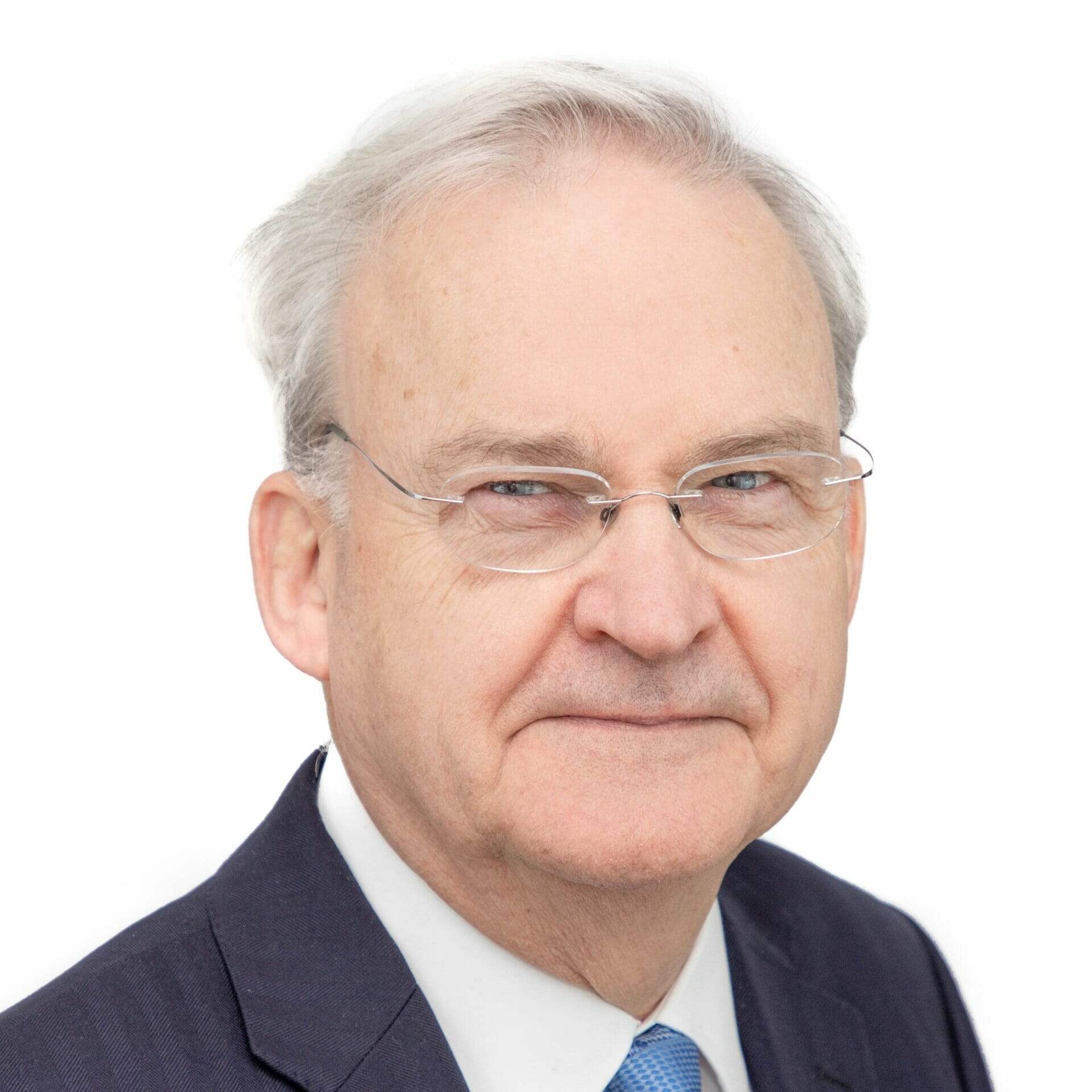
Dr Malcolm Prentice
Consultant in endocrinology, diabetes and general medicine with a special interest in thyroid diseases.

Dr Helen Spoudeas
A paediatric endocrinologist, specialising in paediatric neuroendocrinology and sees all patients with growth and puberty disorders.

Dr Bobby Huda
Specialist in endocrinology and diabetes who currently practices at several locations around London, including Barts Health NHS Trust.

Dr Rakesh Amin
Clinical lead for endocrinology and diabetes at Great Ormond Street Hospital. His clinical practice encompasses all areas of paediatric and adolescent endocrinology and diabetes.

Dr Harvinder Chahal
With a focus on adults, Dr Chahal is a consultant in endocrinology, diabetes, bariatric medicine, and general internal medicine at Imperial College Trust.
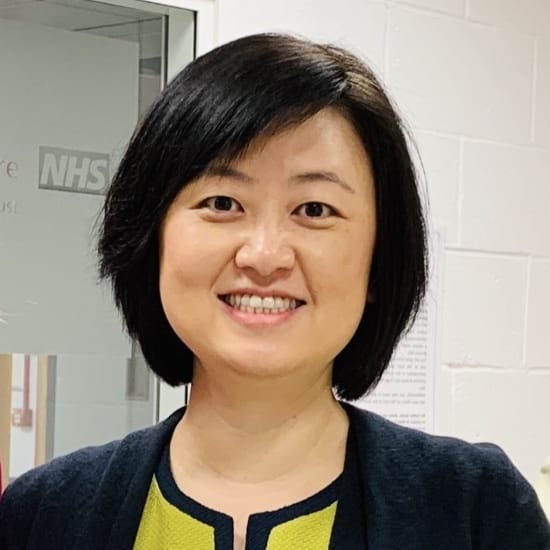
Dr Mimi Z. Chen
Specialist consultant in diabetes and endocrinology with a particular interest in weight loss and weight management medications.

Dr Ling Ling Chuah
Consultant endocrinologist with over a decade’s experience in the treatment of diabetes.

Professor Melanie Davies
Ms Melanie Davies is a consultant obstetrician and gynaecologist and accredited subspecialist in reproductive medicine, treating ages of 14 and upwards.
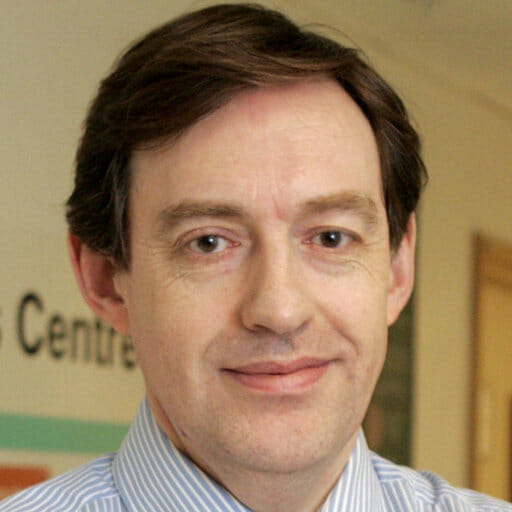
Dr David Hopkins
Consultant physician and diabetologist with a particular clinical interests in insulin pump therapy and management of advanced diabetes complications.
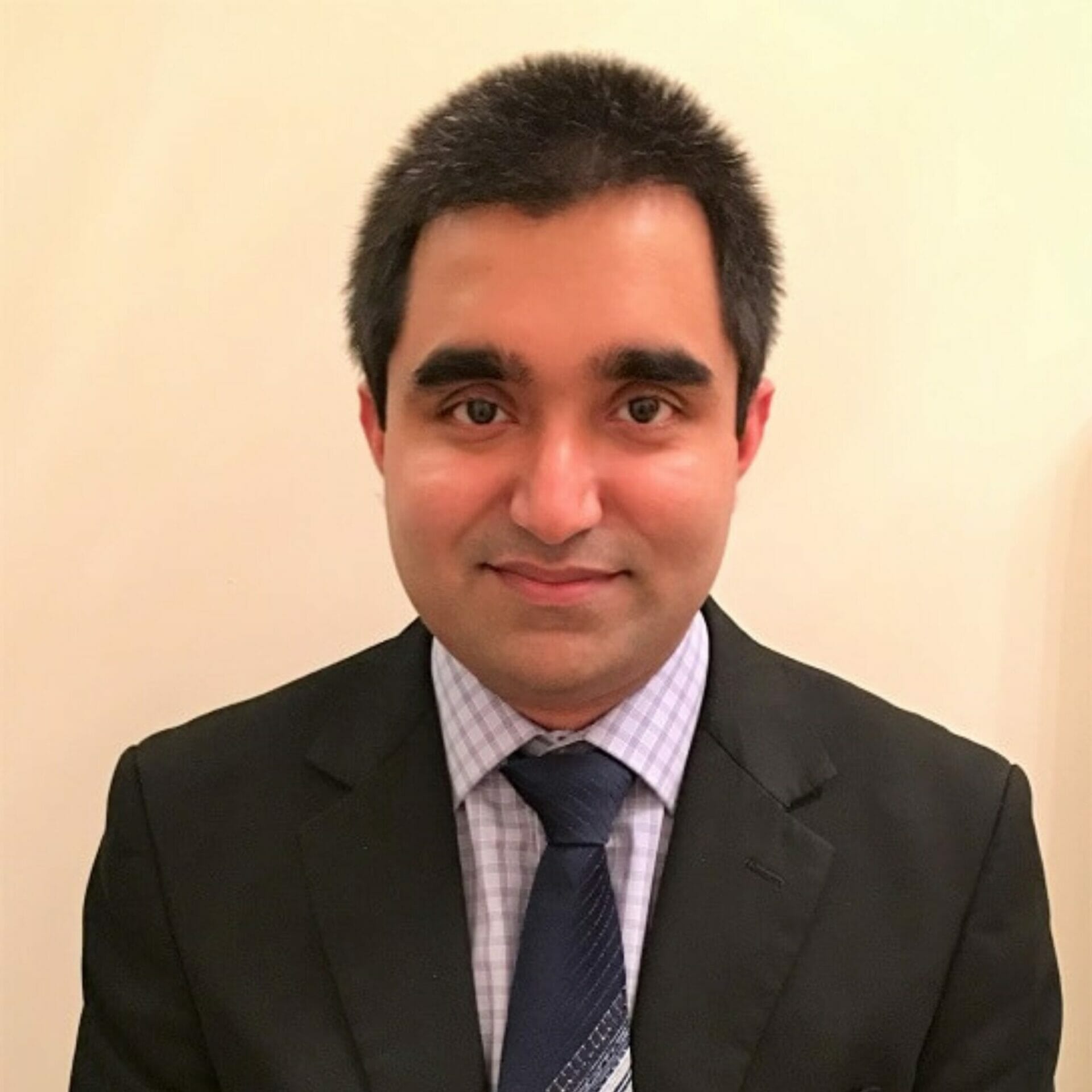
Mr Vikram Talaulikar
Associate specialist at UCL with clinical interests that include reproductive endocrinology, PMOS, fertility, recurrent miscarriage, premature menopause.
Our endocrinology specialties
We offer expert care and treatment across a broad range of endocrine disorders and diseases.
Explore our endocrine specialties:
Thyroid problems are very common, with about 1 in 20 people affected by a thyroid disorder in the UK. Anyone regardless of their age or sex can develop a problem with their thyroid, but women are more affected than men.
Symptoms & Conditions
- Hypothyroidism
- Hyperthyroidism
- Goitre/multinodular goitre
- Thyroid nodules
- Thyroid cancer
Treatments
Your consultant will discuss a personalised treatment plan
There is a wide range of normal when it comes to childhood growth and development. If you have any concerns that your child is either too tall or too short compared to their peers or that puberty is starting either too early or too late, then a paediatric endocrinologist can evaluate your child to determine if a hormonal problem is the reason.
Symptoms & Conditions
- Short stature
- Constitutional growth delay
- Gigantism
- Delayed puberty
- Early puberty
- Growth hormone deficiency
- Acromegaly
Treatments
- Somatostatin analogues to block the release of growth hormone
- Surgery to remove pituitary tumours
- Radiation therapy
You probably know that calcium is crucial for healthy bones, but it does much more than just protect your bones. Calcium can also be found in every cell of the body, so having too much or too little calcium can significantly impact your physical health as well as your emotions and cognitive function.
Symptoms & Conditions
- Hyperparathyroidism
- Hypercalcemia
- Hypoparathyroidism
- Parathyroid adenomas
- Osteoporosis
Treatments
- Medications to control your serum calcium levels
- Surgery to remove one or more of the parathyroid glands causing the overproduction of PHT
- Bisphosphonates to protect against osteoporosis
If you are feeling the effects of menopause, whether that’s hot flushes, difficulty sleeping, reduced sex drive, fatigue or extreme mood swings, you are probably eager to find relief from the havoc caused by your changing hormones.
Symptoms & Conditions
- Menopause
- Premature ovarian insufficiency (POI)
- Polycystic ovary syndrome (PCOS)
- Infertility
- Recurrent miscarriage
- Hypogonadotropic hypogonadism
- Amenorrhea
- Delayed puberty
- Hirsutism
- Osteoporosis
Treatments
- Hormone treatment or hormone replacement therapy (HRT)
- Non-hormonal treatments for menopause such as lubricants for vaginal dryness or antidepressants for depression
- Choosing the right hormonal birth control for PCOS
- Non-hormonal treatments for PCOS
- Oestrogen for delayed puberty
- Bisphosphonates for osteoporosis
- Fertility planning
- Holistic advice on diet, nutrition and exercise plans
- Suggestions on alternative therapies such as acupuncture, yoga, CBT and mindfulness.
You’re probably aware of testosterone’s essential role in male reproductive health and fertility. But did you know that testosterone also plays a crucial part in regulating a man’s physical features, energy, weight, mood and bone health?
Symptoms & Conditions
- Hypogonadism
- Erectile dysfunction
- Delayed puberty
- Infertility
Treatments
Testosterone replacement therapy
- monthly or 3-monthly injections
- topical application with a gel
- patches
The word ‘adrenal’ sounds like adrenaline for a reason. Our adrenal glands produce our body’s ‘fight or flight’ hormone, adrenaline. Along with the related hormones noradrenaline and dopamine, the adrenal hormones work together to maintain our blood pressure and heart rate. But that’s not their only function.
Symptoms & Conditions
- Adrenal insufficiency/Addison’s disease
- Cushing's syndrome
- Conn’s syndrome
- Endocrine hypertension
- Adrenal adenocarcinoma
- Congenital adrenal hyperplasia (CAH)
- Phaeochromocytoma
- Paraganglioma
Treatments
- Medications to stop any excess hormone production
- Hormone replacement medication
The pituitary gland is often called the ‘conductor of the endocrine orchestra.’ It produces hormones that stimulate and activate other endocrine glands, including the adrenal glands, the thyroid, the testes and the ovaries. Each of these glands has many complex interactions. When your pituitary gland is damaged or doesn’t function properly, it can cause severe repercussions to many vital functions, including metabolic rate, childhood growth and development, stress response, reproductive functioning and breastfeeding.
Symptoms & Conditions
- Prolactinoma
- Hypopituitarism
- Cushing's disease
- Acromegaly
- Pituitary diabetes insipidus
Treatments
- Surgery to remove tumours
- Radiation therapy to shrink tumours or prevent them from growing
- Medications to reduce hormone production or to replace deficient hormones
A neuroendocrine tumour (NET) begins in hormone-producing cells that are part of the endocrine system. The endocrine system is a complex system composed of glands that secrete hormones (chemical messengers). These hormones carry instructions and information to other parts of the body to coordinate and influence a range of bodily functions, from metabolism and growth to reproduction.
NETs are classified by where they are first found. NETs can be found in the following places:
- lungs
- pancreas
- small intestines
- large intestines
- rectum
- stomach
- oesophagus
- appendix
- skin
- prostate
- uterus
- adrenal, parathyroid and pituitary glands.
Symptoms of neuroendocrine tumours
- abdominal pain
- flushing
- wheezing
- bloating
- heart palpitations
- skin rash
- weakness
- heartburn
- unexplained weight changes
Treatments
- surgery
- anti-hormonal therapy
- therapy with radioactively labelled agents
- drugs targeting specific processes in the neuroendocrine tumour cells
- chemotherapy
Our Locations
London Medical is located in the Harley Street medical area. Together with top experts across a range of multi-disciplinary fields, we offer the finest facilities for your care, all under one roof.
Monday to Friday 8.30am to 8pm
Monday to Friday 8.30am to 8pm
Monday to Friday 8.30am to 8pm
Speak to a member of our team

Get in touch
If you have any questions or want to book an appointment, please speak to our team on +44 (0)800 0483 330.
Or, make an enquiry online using this form and one of our team will be in touch. Please note, all the information collected is required as part of our registration process. By using this form you agree with the storage and handling of your data by our team. You don't need a referral from your GP to make an appointment with us.
Contact us
Our team can also be contacted on +44 (0)800 0483 330.
Please note, all the information collected is required as part of our registration process. By using this form, you agree with the storage and handling of your data by our team.