


You may have heard high blood pressure referred to as the ‘silent killer’. That’s because high blood pressure, or hypertension, does not cause any noticeable symptoms or warning signs, but its long-term effects can be deadly. If untreated, high blood pressure can cause stroke, heart attack or even sudden death. A quarter of adults in the UK have high blood pressure, and if you have a family history of hypertension or diabetes, you have a higher risk of hypertension. The good news is that there are many ways of managing hypertension that can help reduce your risk for serious health problems.
Blood pressure is the pressure of your blood pushing against your arteries. Your blood pressure naturally goes up and down throughout the day. Hypertension is the medical term for when your blood pressure numbers are consistently too high.
Your blood pressure reading is measured in two numbers. If you are told your blood pressure is ‘140 over 90’, it will be written as 140/90 mmHg. The first number is called the systolic pressure and the second number is the diastolic pressure.
- The systolic pressure is the highest level of your blood pressure. It is taken when your heart beats and pumps blood around the body.
- The diastolic pressure is the lowest level of your blood pressure. It is measured when your heart relaxes between beats.
Your blood pressure should be under 140/90. However, your healthcare team should work with you to identify a healthy range that is right for you based on your age and other factors.
If you have hypertension, it means your heart has to work harder to push blood throughout your body. Over time, your arteries will become more stiff and narrow which makes it easier for fatty deposits to accumulate on the walls, a process called atherosclerosis. When the arteries that carry blood to your heart get clogged, it can lead to a heart attack. If the arteries that carry blood to your brain are affected, it can lead to a stroke.
Blood pressure can be effectively treated with medication and lifestyle changes. Make an appointment with us today to have your blood pressure checked.
Our approach to heart health
We believe that cutting-edge cardiology care means working hand-in-hand with other related specialties to prevent, treat and manage heart disease. Your risk for heart attack and stroke can often be reduced by diagnosing and treating underlying and related conditions such as high blood pressure, high cholesterol, obesity and diabetes. At London Medical, we have the top experts working together for your care – all under one roof.
Hypertension rarely causes symptoms, so it’s important to get your blood pressure measured regularly to know your risk and start treatment if needed.
High blood pressure is a condition that develops over time. There are several risk factors for developing high blood pressure. Whilst you cannot alter some factors (like your family history or age), you can always make healthier lifestyle choices.
Some lifestyle choices can increase your risk of hypertension:
- An unhealthy diet high in sodium
- High alcohol consumption
- Lack of physical activity
- Smoking
- Being overweight or obese
- Lack of quality sleep
There are some risk factors that increase your risk of hypertension that you cannot control:
- Family history – Your genes play a role in your likelihood of developing high blood pressure.
- Age – Your blood pressure starts to increase as you get older. It is very common for your blood pressure to begin to rise from the age of 50.
- Diabetes – According to the charity Diabetes UK, as many as half of all diabetics also have high blood pressure.
- Ethnicity – If you are of black African or black Caribbean descent, you are more likely to develop hypertension.
You’re probably familiar with having your blood pressure measured with a sphygmomanometer – a digital electronic monitor that is connected to an inflatable cuff that wraps around your upper arm. Because it is natural for your blood pressure readings to fluctuate throughout the day and because many people often experience higher levels of stress at the doctor which can sometimes cause elevated readings, blood pressure is typically measured more than once.
If we suspect that you have high blood pressure, we’ll provide you with an ambulatory blood pressure monitoring (ABPM) device. This is a special device that is worn for 24-48 hours that measures your blood pressure in frequent, periodic intervals to give an accurate view of your blood pressure levels as you go about your daily life.
If you are diagnosed with high blood pressure, we will run other tests to measure any possible damage that might have already occurred as a result of hypertension. This includes:
- ECG and echocardiograms to assess if there has been any thickening of the heart muscles
- Kidney tests to measure renal function
- A full lipid panel testing to measure your cholesterol and triglyceride levels
- Diabetes screening to identify any undiagnosed problems with your blood sugar levels
Although an underlying cause of hypertension is rarely found, we’ll run additional tests to exclude the possibility of renal artery stenosis and adrenal tumours.
If your blood pressure is high, we’ll recommend that you make some healthy lifestyle changes in addition to taking blood pressure tablets.
Medications
Typically 2-3 different antihypertensive tablets are prescribed, including beta-blockers, calcium antagonists, ACE inhibitors and diuretics.
Lifestyle changes
The most important things you can do to keep your blood pressure within normal ranges include:
- Eating a well-balanced diet
- Reducing your salt intake
- Losing weight
- Exercising more
- Quitting smoking
- Cutting down on alcohol
As part of the London Medical family, our cardiology clinic has access to various specialties – all under one roof. So whether you need a personalised weight management programme, expert nutritional advice or support with quitting smoking, we’re here to help look after your whole health.
FAQs
Anyone can get high blood pressure but there are a number of things that can increase your risk. These include:
- Increasing age
- Family history of hypertension
- Being of African or Caribbean ethnicity
- High levels of salt in the diet
- An inactive lifestyle
- Being obese or overweight
- Heavy alcohol drinking
- Smoking
- Sleep deprivation
Some chronic health conditions can also increase your chance of getting high blood pressure, these include diabetes, kidney disease, thyroid disease and lupus.
It’s recommended that all adults over the age of 40 have their blood pressure measured at least every 5 years. However, if you have any risk factors, then it’s sensible to have more frequent checks.
Yes, too much salt in your diet can increase the risk of hypertension. However, the salt you sprinkle on your chips in unlikely to be the root of the problem. Much of our dietary salt is hidden; it’s found in pre-prepared foods like sauces, soups, cured meats and even baked goods and breakfast cereals. The best way to keep your intake under control is to try and cook meals yourself, from fresh ingredients. The dieticians at London Medical can provide information and specialist advice.
Stress can trigger hypertension. When we feel tense and threatened, the body releases stress chemicals that are designed to help us to survive. They quicken the heart rate, increase the blood pressure and boost breathing so that we can fight harder or run faster.
This worked well when we were cavemen-but in today’s world where stress is often sustained and psychological, the body doesn’t burn off the aggression and energy. To deal with stress it’s important to find ways to manage its impact on your mind and body. Exercise, relaxation techniques, practising mindfulness and managing the stressors in your life can all help. If you think stress is affecting your health, speak to the team at London Medical for support and guidance.
Meet our experts in hypertension

Dr George Amin-Youssef
Consultant cardiologist who deals with adults and specialises in heart failure, including advanced heart failure, working in one of the largest heart failure units in the UK.

Professor Carlo Di Mario
Specialist in Interventional cardiology – the use of catheters and other devices to restore blood flow to the heart without major surgery.
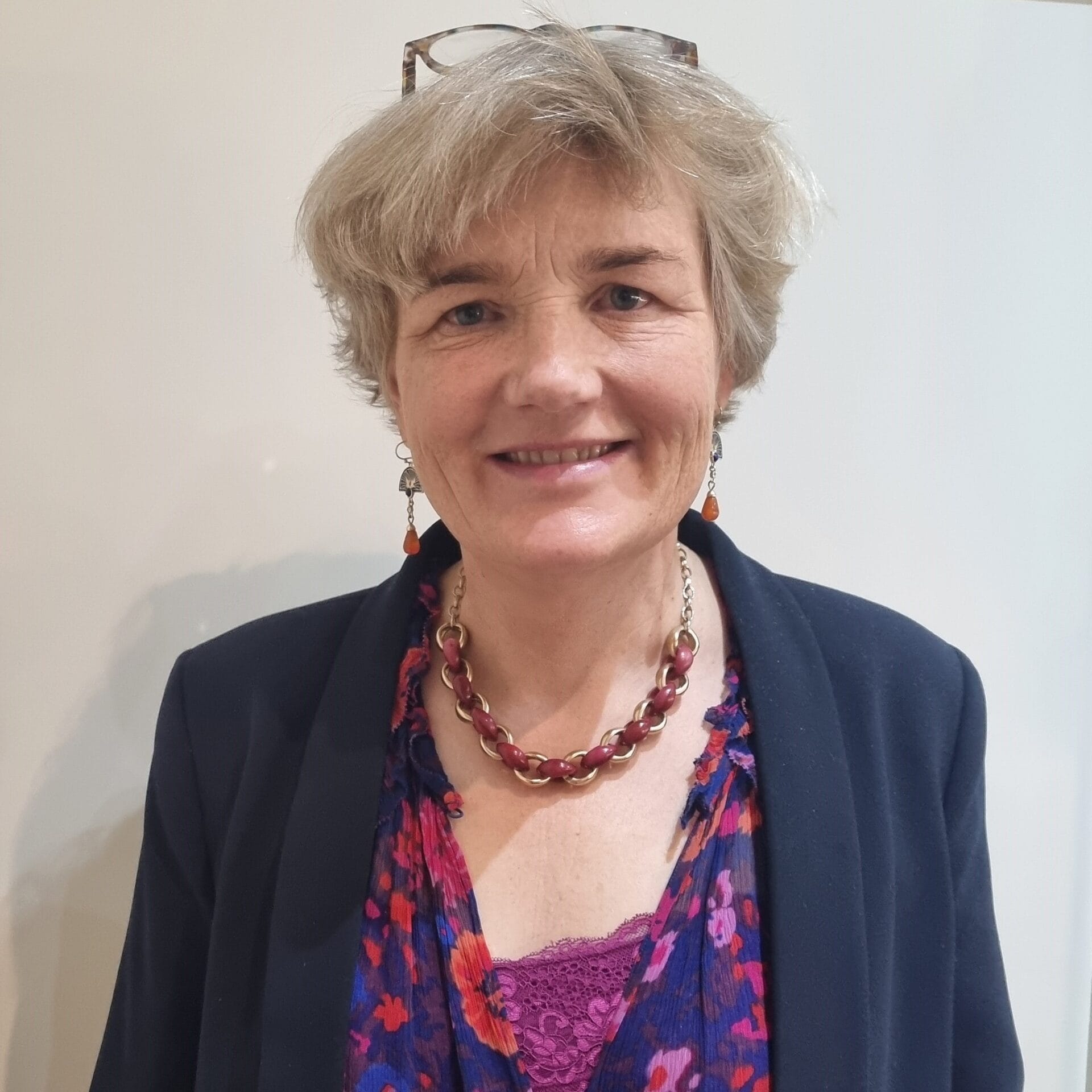
Dr Claire Chalmers-Watson
Dr Chalmers-Watson is an experienced General Practitioner with over two decades of experience in primary care and a profound expertise in managing a broad spectrum of health conditions.

Professor Piers Daubeney
Professor Piers Daubeney is a consultant paediatrician at London Medical, specialising in paediatric cardiology.
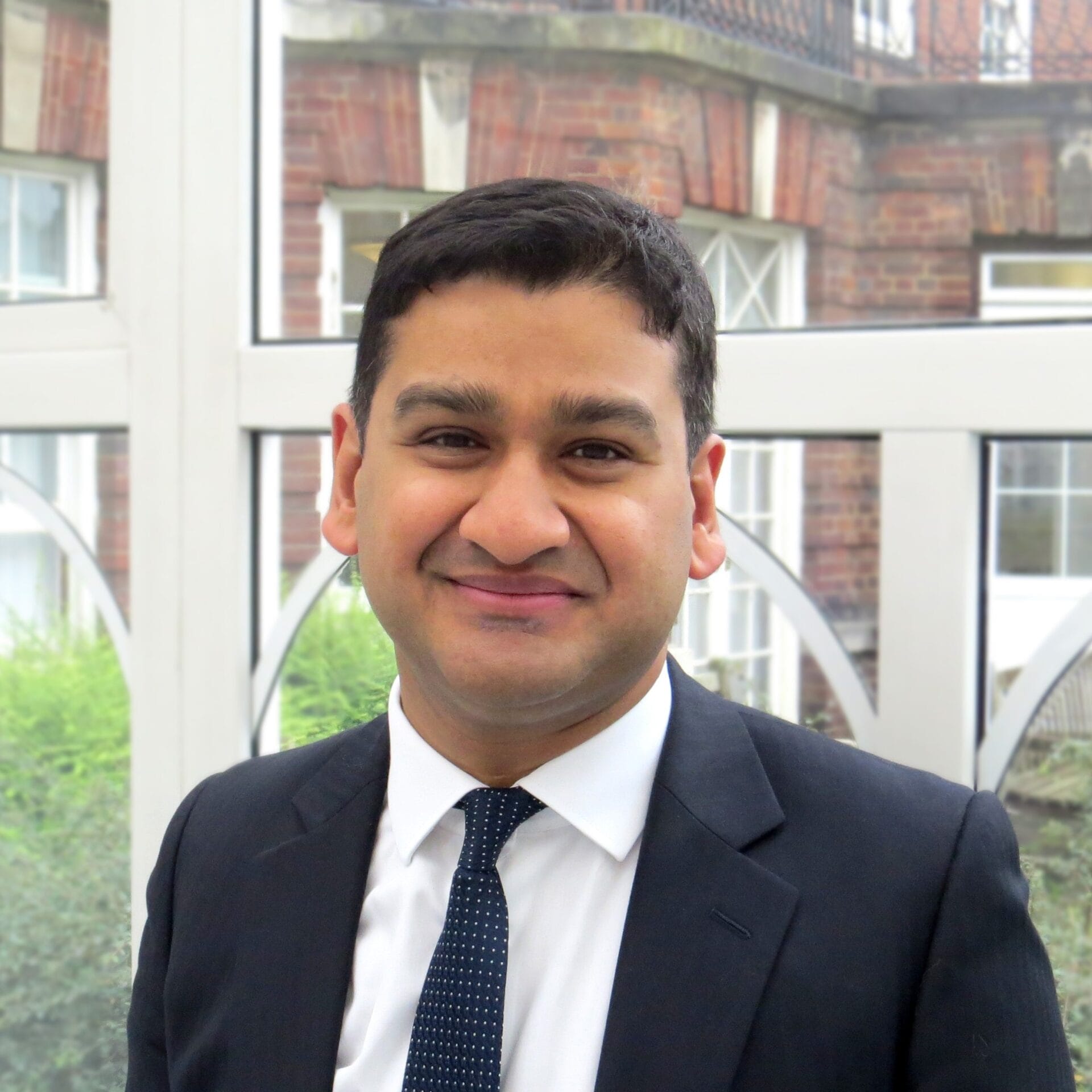
Dr Shouvik Haldar
Consultant Cardiologist and Electrophysiologist at the Royal Brompton and Harefield Hospitals with a specialist interest in the management of patients with abnormal heart rhythms.
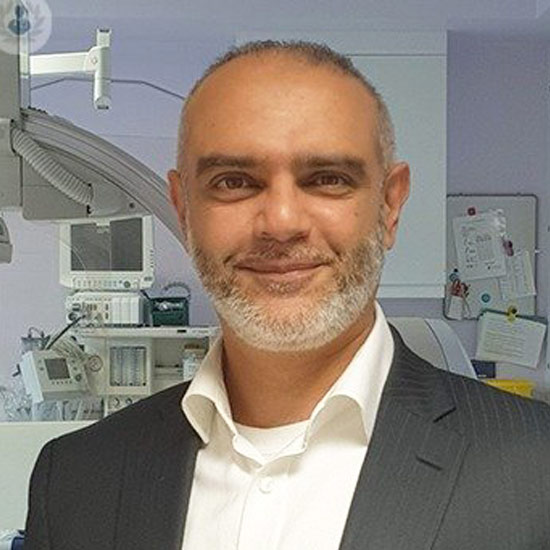
Dr Riyaz Kaba
Consultant cardiologist and electrophysiologist, specialising in arrhythmias, ablations, and pacemakers.

Professor Thomas F. Lüscher
Consultant in cardiology, interested in interventional cardiology, rhythmology, echocardiography, heart failure, acute cardiac care, and sports cardiology.
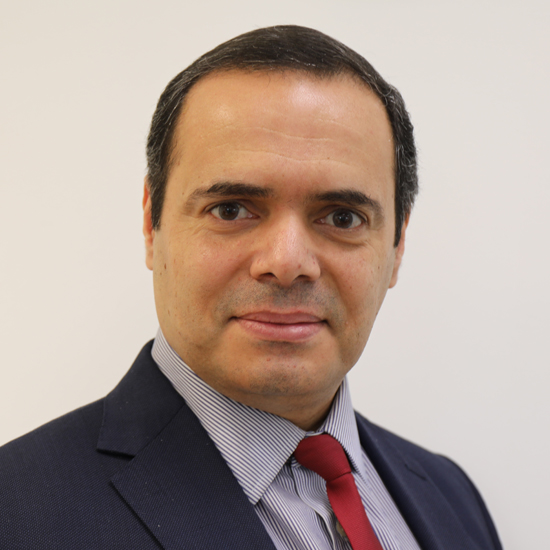
Dr Khaled Mallek
An esteemed consultant interventional and general cardiologist, specialising in complex coronary interventions and chronic total occlusions.

Dr Nikolaos Papageorgiou
Dr Nikolaos Papageorgiou is a consultant cardiologist at London Medical, specialising in heart failure and electrophysiology.

Professor Kausik Ray
Consultant preventative cardiologist, specialising in diabetes, lipids, glucose, hypertension and cardiometabolic traits.
Are you worried because someone in your family has suffered a premature heart attack? Are you aware of your cholesterol numbers? Whether you are concerned about managing your risk of heart attack or stroke or you just want to ensure you can enjoy your years of retirement, our comprehensive heart assessment plan can help you identify and manage your risk of developing heart disease. London Medical’s world-class cardiac consultants will assess your personal risk for future cardiac disease using the latest tests and techniques in our state-of-the-art imaging suite. The results are used to identify risk factors, evaluate your current heart health and advise you on a treatment plan should you need one.
Learn more about how to keep your heart healthy
Bupa unveils new world-class all-in-one centre in the heart of Canary Wharf

The benefits of continuous glucose monitoring
Our world-leading cardiologists provide expert insight on the prevention and treatment of hypertension.
Speak to a member of our team

Get in touch
If you have any questions or want to book an appointment, please speak to our team on +44 (0)800 0483 330.
Or, make an enquiry online using this form and one of our team will be in touch. Please note, all the information collected is required as part of our registration process. By using this form you agree with the storage and handling of your data by our team. You don't need a referral from your GP to make an appointment with us.
Contact us
Our team can also be contacted on +44 (0)800 0483 330.
Please note, all the information collected is required as part of our registration process. By using this form, you agree with the storage and handling of your data by our team.
Heart Health News
Find out the latest news, thinking and insights from our experts. Our Heart Health News is your go-to source of trusted advice and knowledge on all matters of the heart.

Chest pain and how it may be avoided

6 ways to prevent heart disease